
Spiky and Spectacular: Multiply Your Parodia Scopa with These Propagation Techniques
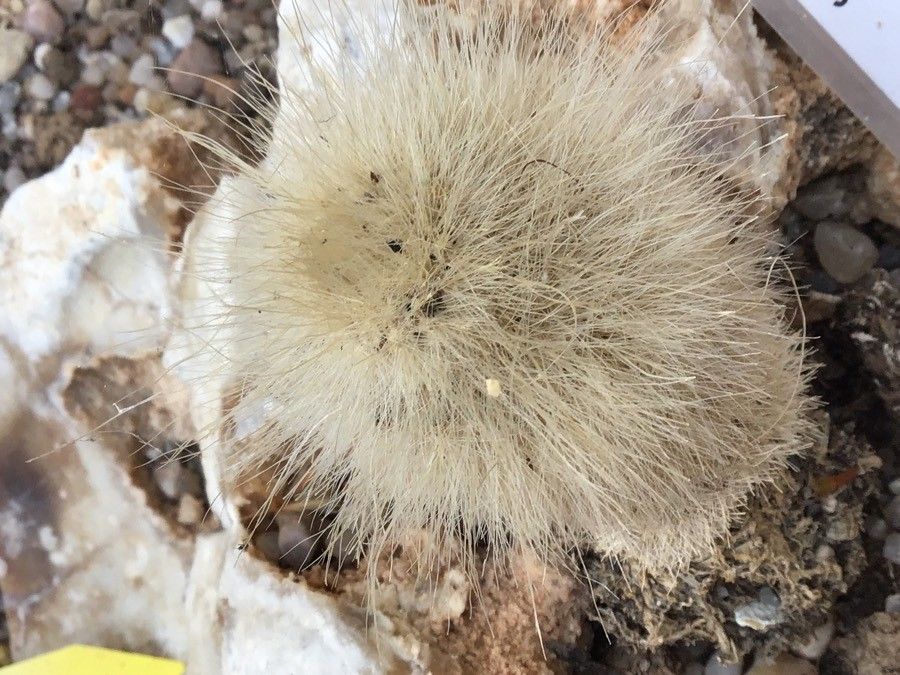
The Parodia scopa, also known as the Silver Ball cactus, is a captivating little succulent that adds a touch of the desert to any home. With its spherical shape, woolly spines, and stunning yellow blooms, it’s no wonder enthusiasts want more of this charming cactus. If you’re looking to expand your collection or simply share the joy of the Parodia scopa, propagation is a rewarding endeavor. Let’s explore the two main methods:
1. Seeds: A Journey of Patience and Reward
Propagating Parodia scopa from seeds offers a fascinating glimpse into the plant’s life cycle, but requires a touch of patience. Here’s how to embark on this miniature gardening adventure:
- Obtain Seeds: You can harvest seeds from dried seed pods on a mature plant or purchase them from a reputable supplier. Fresh seeds generally offer a higher success rate.
- Prepare the Sowing Medium: Use a well-draining cactus mix or create your own using sand, perlite, and peat moss in equal parts. Sterilize the mix by baking it in the oven at a low temperature to eliminate potential pests or diseases.
- Sowing and Conditions: Sprinkle the seeds sparsely over the surface of the moistened sowing medium. Do not bury them. Cover the container with a plastic lid or wrap to create a humid environment. Place the container in a warm, brightly lit location out of direct sunlight.
- Germination: Germination can take anywhere from a few weeks to a few months. Be patient and keep the soil consistently moist (not soggy) by misting it regularly.
- Transplanting: Once the seedlings are large enough to handle, carefully transplant them into individual pots with the same well-draining soil mix. Continue providing bright, indirect light and careful watering.
2. Offsets: The Easier Path to Propagation
For a quicker and more straightforward approach, propagating from offsets (also known as pups) is the way to go:
- Identifying Offsets: Mature Parodia scopa cacti often produce small, spherical offsets at their base. These are miniature versions of the parent plant and will eventually develop their own root systems.
- Removing Offsets: When the offsets are about a third the size of the parent plant, carefully remove them. Use a clean, sharp knife or pair of scissors to detach them, ensuring you get a clean cut and some of the connecting tissue.
- Callusing: Allow the cut surface of both the parent plant and the offset to dry and callus over for a few days to a week. This helps prevent rot when planted.
- Planting the Offsets: Plant the callused offsets in small pots with well-draining cactus mix. Position the base of the offset slightly below the soil surface.
- Watering and Care: Water sparingly, allowing the soil to dry out completely between waterings. Provide bright, indirect light and allow the offset to establish roots before increasing the watering frequency.
General Tips for Success
- Light: Parodia scopa thrive in bright, indirect light. Avoid prolonged direct sunlight, especially during the hottest hours of the day.
- Water: Water sparingly, allowing the soil to thoroughly dry out between waterings. Overwatering is a common pitfall and can lead to root rot. During the winter dormancy period, water minimally or not at all.
- Temperature: These cacti prefer warm temperatures between 70-85°F (21-29°C) during their growing season. They can tolerate cooler temperatures during winter dormancy.
- Fertilizer: Fertilize lightly with a balanced fertilizer diluted to half strength during the growing season.
Propagating Parodia scopa, whether from seeds or offsets, is a gratifying experience. With a little patience and care, you can multiply your collection and enjoy these spiky beauties for years to come. Just remember to provide them with the proper care, and they’ll reward you with their stunning blooms and unique charm.