
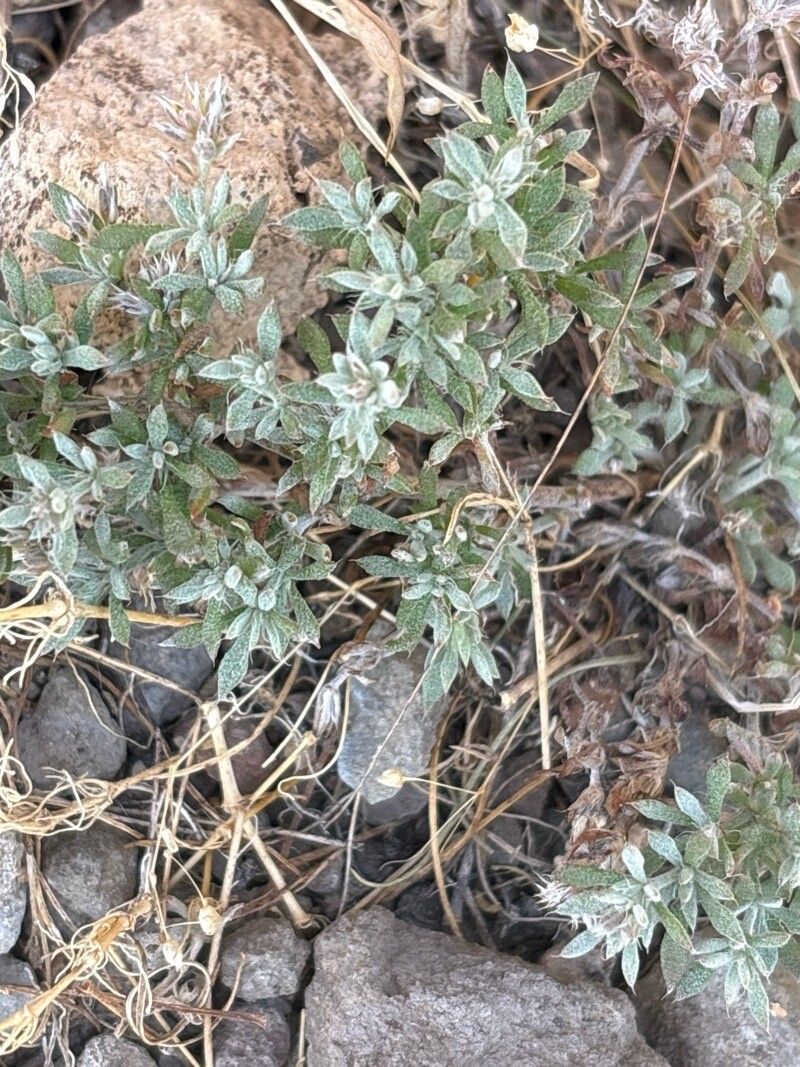
Unlocking the Secrets of the Canary Island Knotweed: A Guide to Propagating Paronychia canariensis
The Canary Island Knotweed, Paronychia canariensis, is a captivating succulent with its charming, low-growing habit and intriguing silvery leaves. Its captivating appearance, resilience, and low-maintenance nature have made it a popular choice for rock gardens, xeriscaping, and container plantings. But what if you want to share this beauty with friends or simply expand your own collection?
The good news is that propagating Paronychia canariensis is surprisingly straightforward. This guide will equip you with the knowledge and techniques to successfully propagate this fascinating plant and create a whole new generation of these miniature wonders:
Methods of Propagation:
- Seed Propagation:
- While Paronychia canariensis produces seeds, this method is often less reliable. The seeds can be slow to germinate, and the resulting plants might not be exactly like the parent.
- Cuttings: This is the most common and successful way to propagate this succulent.
Propagating with Cuttings:
1. Timing is Key:
- The best time to take cuttings is during the growing season, ideally in spring or early summer.
2. Prepare the Cutting:
- Choose healthy, mature stems that are not flowering.
- Use sharp, clean shears or a knife to make a clean cut just below a leaf node.
- Remove the leaves from the bottom 1-2 inches of the cutting.
3. Root Hormone (Optional):
- While not strictly necessary, dipping the cut end in rooting hormone can enhance the chances of successful rooting.
4. Planting:
- Fill a small pot or tray with a well-draining cactus or succulent mix.
- Lightly dampen the soil.
- Make a small hole for the cutting and insert it at least an inch deep.
- Gently firm the soil around the base of the cutting.
5. Caring for Your Cuttings:
- Place the pot in a bright, indirect light location.
- Avoid direct sunlight, especially during the hottest part of the day.
- Keep the soil lightly moist, but allow it to dry out slightly between waterings.
- Mist the cuttings regularly to maintain humidity.
- Avoid overwatering, which can lead to root rot.
6. Patience is a Virtue:
- It can take several weeks for the cutting to form roots. Be patient and don’t disturb the cutting during this critical period.
7. Transplanting:
- Once the cutting shows new growth or you see roots developing, you can gradually acclimate it to full sun and eventually transplant it to a larger pot or your chosen garden location.
Final Tips:
- Use a sterile medium to prevent fungal infections.
- Ensure proper drainage to avoid root rot.
- Regularly check for pests and diseases, and treat promptly if necessary.
- With a little patience and care, you can effortlessly grow new Paronychia canariensis plants using cuttings.
By following these simple steps, you can easily unlock the secrets of the Canary Island Knotweed and expand your succulent collection with these charming and low-maintenance plants. You’ll not only enjoy the satisfaction of propagating them yourself but also share the beauty of Paronychia canariensis with others!