
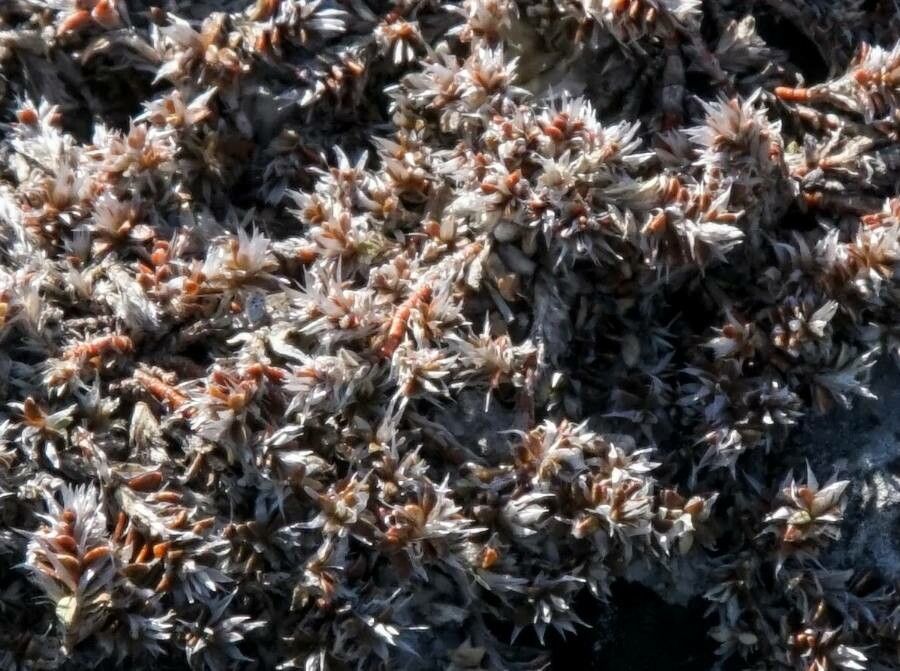
From Tiny Seeds to Abundant Blooms: Propagating the Enchanting Paronychia Cephalotes
The Paronychia cephalotes, a charming, low-growing groundcover with tiny white blossoms, is a popular choice for rock gardens, borders, and even containers. But did you know that this resilient beauty is also incredibly easy to propagate? That means you can create your own little army of these delightful plants without breaking the bank.
Ready to unlock the secrets of Paronychia cephalotes propagation? Let’s dive into the two primary methods that will have you enjoying even more of these charming blooms in no time:
1. Seeds: A Simple Starting Point
The Paronychia cephalotes readily produces seeds, making this method a great option for beginners. Here’s how to do it:
- Timing is Key: Sow seeds in the spring or fall, ideally when the soil is cool. You can directly sow them outdoors, or start them indoors in seed trays for transplanting later.
- Seed Starting: If starting indoors, fill seed trays with a well-draining seed-starting mix. Sprinkle the seeds on the surface, barely covering them with soil. Mist lightly and cover with a clear plastic dome or plastic wrap.
- Patience is a Virtue: Keep the soil consistently moist but not waterlogged. Germination can take several weeks. Once the seedlings emerge, thin them out to give each seedling space to grow.
- Transplanting Time: When the seedlings are a few inches tall, harden them off by gradually acclimating them to outdoor conditions. Once the danger of frost has passed, transplant them to their permanent location.
2. Cuttings: A Speedy Approach
Looking for a quicker way to propagate your Paronychia cephalotes? Try taking cuttings!
- The Best Time: Spring and early summer are ideal for taking cuttings. Choose healthy stems from vigorous, mature plants.
- Preparation is Key: Cut stems approximately 3-4 inches long below a node (where leaves grow from the stem). Remove the bottom leaves and make a fresh cut at an angle to encourage root growth.
- The Rooting Process: Dip the cuttings in rooting hormone to promote root development and plant them in a moist growing medium, like a mixture of peat moss and perlite. Place a plastic dome or bag over the cuttings to maintain humidity and provide warmth.
- Patience and Persistence: Keep the cuttings evenly moist, and avoid overwatering. Roots should start to form within a few weeks. Once new growth appears, you know your cuttings are successfully established.
Tips for Success:
- Choose a sunny spot for your Paronychia cephalotes.
- Provide well-drained soil with neutral to slightly alkaline pH.
- Water regularly, especially during dry periods.
- Trim back any leggy growth to encourage bushier growth.
Whether you choose seeds or cuttings, propagating your Paronychia cephalotes is a fulfilling journey. Enjoy the satisfaction of watching tiny seeds transform into abundant blooms, or witness the remarkable speed of root development through cuttings. With a bit of effort and a lot of patience, you’ll soon have a vibrant and thriving patch of these enchanting plants in your garden.