
From Seed to Success: Propagating the Enduring Charm of Paronychia kapela
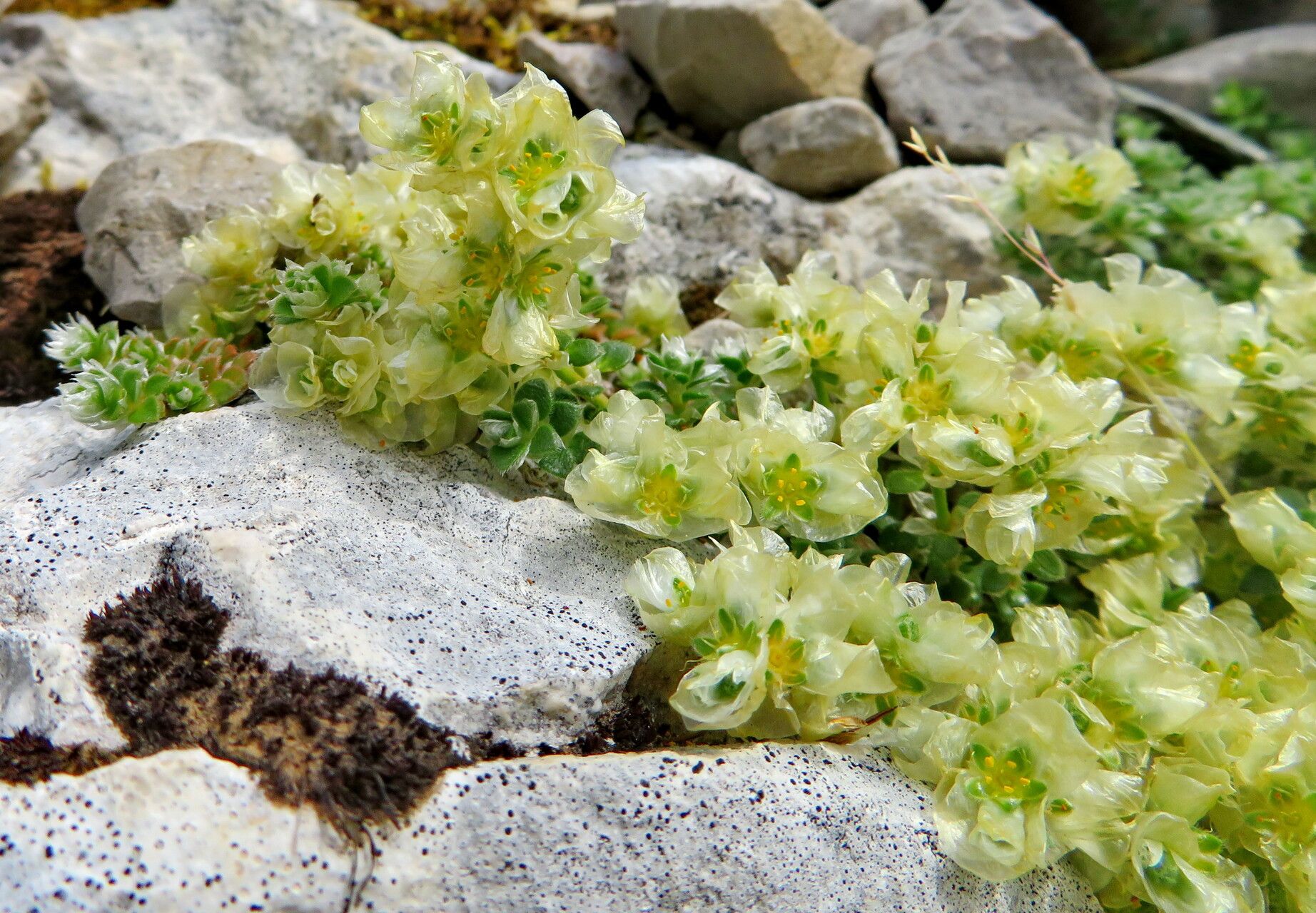
Paronychia kapela, also known as the “Kapela Chickweed,” is a captivating groundcover prized for its delicate beauty and hardy nature. If you’re looking to expand your garden or share this delightful plant with friends, there are a few methods of propagation you can explore. While this species is generally known for its resilience, understanding the best practices for propagation will ensure your success.
Starting with Seeds:
Seeds are the most common method for propagating Paronychia kapela and offer a delightful way to witness the plant’s life cycle from the very beginning. Here’s how to get started:
- Harvest the seeds: Wait for the seed capsules to mature and turn a brownish-grey color before harvesting. Gently shake the seeds from the pods into a paper bag or container.
- Direct sowing: In the spring or fall, you can directly sow seeds into well-drained soil in a sunny location. Lightly cover the seeds with soil and water gently.
- Starting indoors: For a head start, sow seeds indoors in seed trays filled with a quality seed-starting mix. Keep the trays moist and warm, providing ample light. Once seedlings have several true leaves, you can transplant them outdoors after the last frost.
Vegetative Propagation:
While less common than seed propagation, Paronychia kapela can also be propagated through vegetative means. This method allows for faster growth and replicates the exact genetics of the parent plant.
- Cuttings: Take stem cuttings in the spring or early summer. Select healthy stems with several nodes and remove the lower leaves. Dip the base of the cutting into rooting hormone and insert it into a pot filled with a propagation mix or sand. Maintain high humidity by covering the pot with a plastic dome or bag.
- Division: In the spring or fall, you can carefully divide established plants. To do this, gently dig up the plant and separate it into smaller clumps, ensuring each section has roots and healthy foliage. Replant the divisions in well-prepared soil.
Key Considerations for Success:
- Soil: Paronychia kapela thrives in well-drained soil. A sandy loam mix is ideal, but ensure it’s not overly rich in organic matter.
- Sunlight: This plant needs at least 6 hours of direct sunlight daily.
- Water: While drought-tolerant once established, Paronychia kapela requires regular watering, especially during the first year after planting. Avoid overwatering as this can lead to root rot.
- Maintenance: Minimal maintenance is needed for this hardy groundcover. Regular weeding is essential to prevent competition from other plants. You can also trim back any overgrown or leggy stems to encourage bushier growth.
Sharing the Beauty:
Once your Paronychia kapela plants are established, you can share the joy with others by gifting them cuttings or seedlings. Alternatively, you can gather seeds in the fall and package them with instructions for starting them, allowing others to experience the beauty of this resilient plant.
In Conclusion:
Propagating Paronychia kapela allows you to enjoy this delightful plant in various parts of your garden and share its beauty with others. Whether you choose to start from seed or opt for vegetative methods, with a little care and attention, you can witness its captivating resilience and charm flourish. So, get your hands dirty and embark on this rewarding journey of propagation!