
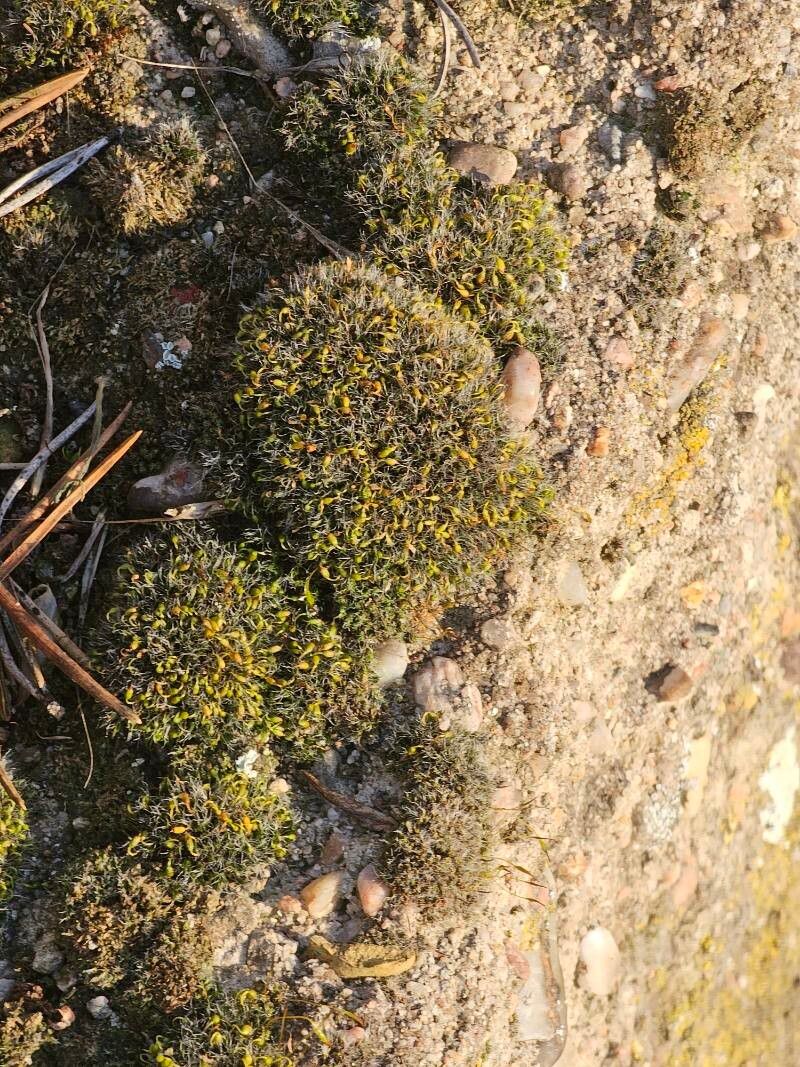
Unlocking the Secrets of Spreading Sessile-Flower Nailwort (Paronychia sessiliflora)
Paronychia sessiliflora, commonly known as sessile-flower nailwort, might not roll off the tongue easily, but this charming little plant can bring a unique touch to your rock garden or wildflower patch. If you’ve been lucky enough to encounter this understated beauty, you might be wondering how to propagate it and share the joy. Fear not, fellow plant enthusiasts! This guide will delve into the world of sessile-flower nailwort propagation, revealing the secrets to success.
Understanding the Plant:
Before diving into the “how-to,” let’s get acquainted with our subject. Sessile-flower nailwort is a low-growing, mat-forming perennial native to parts of North America. It boasts tiny, inconspicuous green flowers nestled within silvery bracts, adding a subtle charm to rocky slopes and dry, sandy areas.
While sessile-flower nailwort isn’t as widely cultivated as some garden favorites, propagating it isn’t as daunting as you might think. Here are the most effective methods:
1. Seeds:
- Collecting Seeds: After flowering, keep an eye out for the small, inconspicuous seed capsules. Collect them once they turn brown and dry and carefully extract the tiny seeds.
- Sowing: Sow the seeds in late fall or early spring, directly into the ground or in seed trays. Lightly press the seeds into well-draining soil, as they need light to germinate. Be patient; germination can take several weeks.
- Stratification (optional): Cold stratification can help improve germination rates. You can achieve this by storing the seeds in moist sand or vermiculite in your refrigerator for a few weeks before sowing.
2. Division:
- Timing: Spring or early fall are the ideal times for dividing established clumps of sessile-flower nailwort.
- Dividing the Clump: Carefully dig up the entire plant, ensuring you get as much of the root system as possible. Gently separate the plant into smaller sections, each with a good amount of roots and shoots.
- Replanting: Replant the divisions at the same depth they were originally growing. Water well and keep the soil consistently moist until the divisions are established.
Tips for Success:
- Well-draining Soil: Sessile-flower nailwort thrives in well-drained soil. Amend heavy clay soils with sand or grit to improve drainage.
- Sunlight: Choose a location that receives full sun to partial shade for optimal growth.
- Watering: Once established, this plant is relatively drought-tolerant. Water sparingly, allowing the soil to dry out slightly between waterings.
- Minimal Fertilization: Sessile-flower nailwort doesn’t require heavy fertilization. A light application of balanced fertilizer in spring is generally sufficient.
Propagating sessile-flower nailwort might require a bit of patience, but the rewards are well worth the effort. By following these methods and tips, you can successfully multiply your plants, bringing a touch of subtle beauty to your garden while contributing to the preservation of this unique species.