
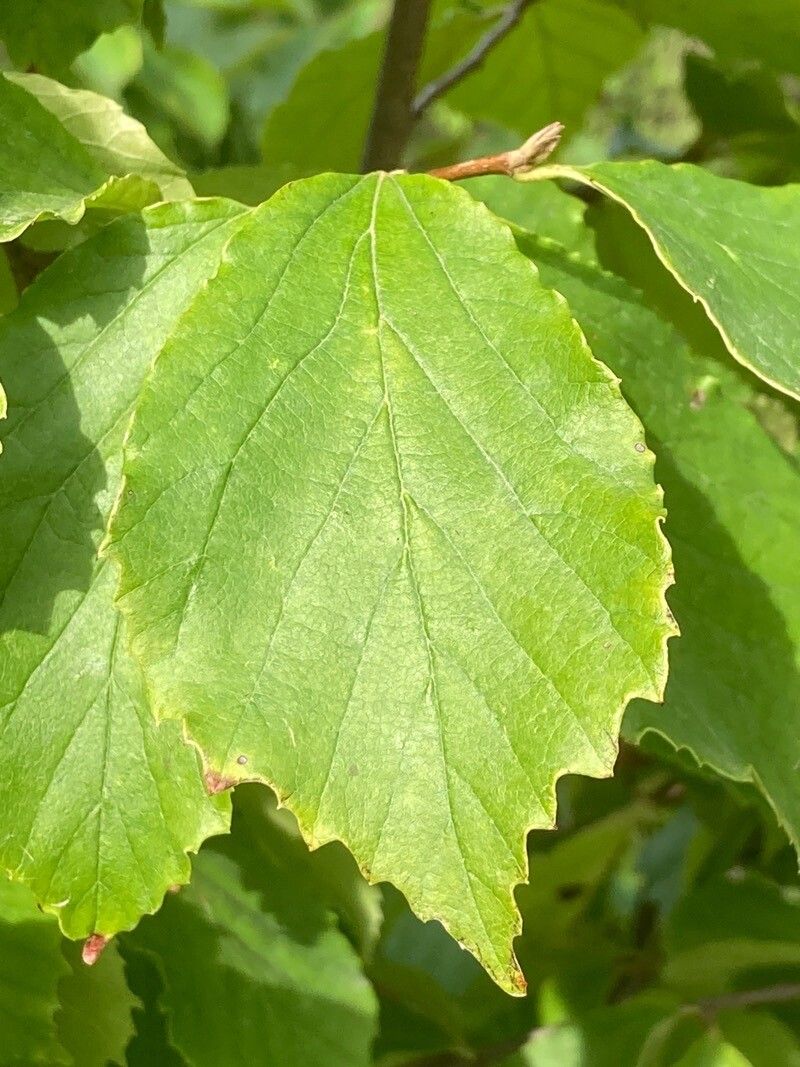
From One to Many: Unlocking the Secrets of Propagating Parrotia subaequalis
The Parrotia subaequalis, also known as the Persian ironwood, is a striking tree with its unique, multi-seasonal beauty. From its stunning spring blossoms to its vibrant fall foliage, this tree offers year-round interest. But perhaps most appealing is its relative ease of propagation, allowing even novice gardeners to expand their collection or share these beauties with others.
So, how exactly do you bring new life to this fascinating plant? Let’s delve into the exciting world of Parrotia subaequalis propagation!
The Power of Cuttings
One of the most popular and accessible methods for propagating this tree is through softwood cuttings. This technique involves taking cuttings from new, tender growth during the late spring and early summer.
Here’s a step-by-step guide to maximizing your success:
- Choose the Right Cuttings: Select healthy, vigorous shoots that are about 4-6 inches long. Make sure the cut is made just below a leaf node – the point on the stem where leaves grow.
- Prepare for Success: Strip the lower leaves, leaving just a few at the top. Dip the cut end in a rooting hormone, which encourages root development.
- Plant with Care: Plant the cuttings in a well-draining potting mix, ensuring the nodes are buried. Maintain consistently moist soil, but avoid overwatering.
- Provide Ideal Conditions: Place the cuttings in a sheltered location with bright, indirect light. A humidity dome or plastic bag can help create a warm, humid environment for optimal rooting.
- Patience is Key: It can take 4-6 weeks for the cuttings to develop roots. Be patient! Monitor the cuttings for signs of root growth, such as new leaf development.
Seed Power – Growing from the Ground Up
For those seeking the ultimate horticultural challenge, propagating Parrotia subaequalis from seed is an option. While it’s more time-consuming than cuttings, it can be incredibly rewarding.
- Gather Seeds in Autumn: Collect ripe seeds from the mature fruits in the fall. They’ll be ready when the fruit turns dark, almost black.
- Preparatory Steps: The seeds need to be stratified, a process that mimics the natural winter dormancy period. Place the seeds in a moist medium (e.g., vermiculite or peat moss) and store them in a refrigerator for 8-12 weeks.
- Sowing the Seeds: After stratification, sow the seeds in a seed tray or pot filled with a well-draining seed mix. Keep the soil moist and provide bright, indirect light.
- Germination Time: Germination typically takes 4-6 weeks, but can vary depending on the seeds and their conditions.
- Patience and Care: Be patient and consistent with watering and light, and provide nurturing conditions for your young saplings to thrive.
Beyond the Basics
While cuttings and seeds are the most common propagation methods, other techniques exist, including air layering and grafting.
- Air Layering allows you to create roots directly on a branch before it is separated from the parent plant. This technique can be particularly useful for older, established trees.
- Grafting involves joining a cutting from one tree (the scion) onto the rootstock of another tree. While a more complex technique, it can be used to create specific varieties or improve the growth of the plant.
From Garden to Legacy
Propagating any tree is a wonderful way to connect with nature and nurture new life. By mastering these techniques, you can expand your own Parrotia subaequalis collection and share the beauty of this unique tree with others. Whether you choose cuttings, seeds, or explore more advanced methods, remember that patience and care are key to success. Go forth, and let your personal Parrotia subaequalis journey begin!