
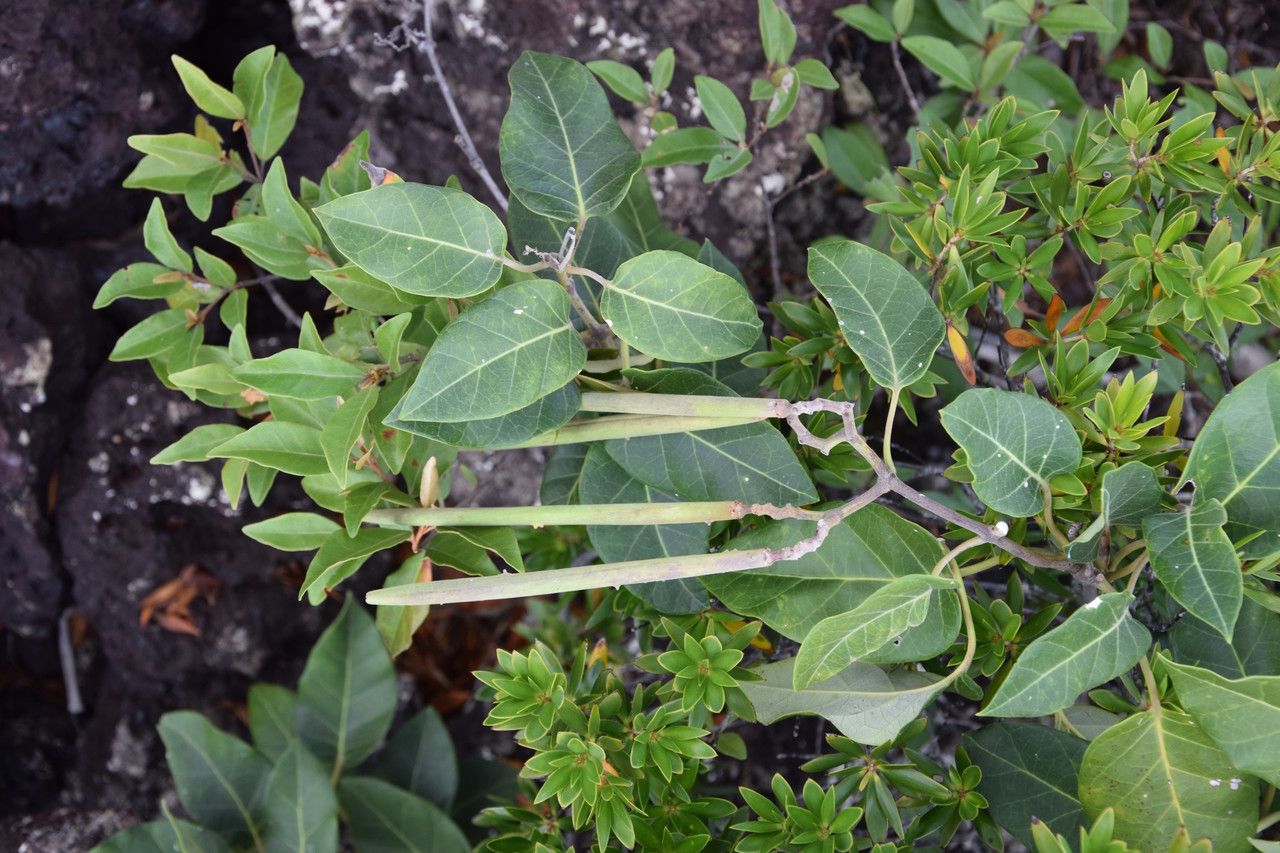
Untangling the Secrets: How to Propagate the Showy Silkpod (Parsonsia catalpicarpa)
The Showy Silkpod, also known as Parsonsia catalpicarpa, is a climbing vine native to Australia. With its glossy, dark green foliage and breathtaking display of fragrant, white, bell-shaped flowers, it’s no wonder this plant has captured the hearts of gardeners. But the Showy Silkpod’s beauty is not its only allure – it is also surprisingly easy to propagate, allowing you to expand your garden collection or share its splendor with friends.
In this article, we delve into the world of Parsonsia catalpicarpa propagation. Whether you’re a seasoned green thumb or just starting your plant journey, this guide provides you with the knowledge and confidence to multiply your Showy Silkpod collection.
Two Paths to Propagation: Seeds and Cuttings
The Showy Silkpod offers two primary methods of propagation:
1. From Seed:
- Harvesting: Look for the long, thin seed pods that develop after flowering. Allow the pods to dry completely on the vine before collecting. You’ll find fluffy, brown seeds inside.
- Sowing: Sow the seeds in a seed-raising mix, lightly covering them with soil. Keep the mix consistently moist and provide warmth (around 70°F). Germination can take several weeks.
- Pros: This method is ideal for producing a large number of plants and can be particularly rewarding for those who enjoy the journey from seed to bloom.
- Cons: Seed-grown plants may take longer to flower compared to cuttings.
2. From Cuttings:
- Timing is Key: Take semi-hardwood cuttings in late spring or early summer when the plant is actively growing.
- The Perfect Cut: Choose healthy stems with new growth. Cut a section about 4-6 inches long, just below a leaf node.
- Preparing the Cutting: Remove the lower leaves to prevent rotting and wound the base of the cutting slightly to encourage root development.
- Planting the Cutting: Dip the wounded end in rooting hormone (optional but beneficial) and plant it in a well-draining potting mix.
- Creating a Humid Environment: Cover the pot with a plastic bag or use a humidity dome to maintain moisture. Place it in a warm, bright location, out of direct sunlight.
- Rooting Success: Roots typically develop within a few weeks. Gently tug on the cutting; if you feel resistance, roots have likely formed.
- Pros: This method generally yields faster results and ensures the new plant will be identical to the parent plant.
- Cons: Requires access to a healthy parent plant and may not be as successful as seed propagation in all cases.
Tips for Success:
No matter which method you choose, here are some additional tips to increase your chances of success:
- Well-Draining Soil: The Showy Silkpod thrives in well-draining soil. Ensure your potting mix is light and airy.
- Consistent Moisture: Keep the soil consistently moist but not waterlogged. Overwatering can lead to root rot.
- Indirect Light: Provide bright, indirect light for both seeds and cuttings.
- Patience is Key: Propagation requires patience. Don’t be discouraged if it takes a little time for roots or sprouts to appear.
A Flourishing Future:
Propagating your Showy Silkpod is an immensely rewarding experience. Not only will you expand your personal plant collection, but you’ll also gain a deeper appreciation for this fascinating vine’s life cycle. So, grab your gardening gloves and start propagating! With a little effort and care, you can easily share the beauty of Parsonsia catalpicarpa with fellow plant enthusiasts and enjoy its elegance for years to come.