
Unlocking the Secrets of Parsonsia pachycarpa: A Propagation Guide
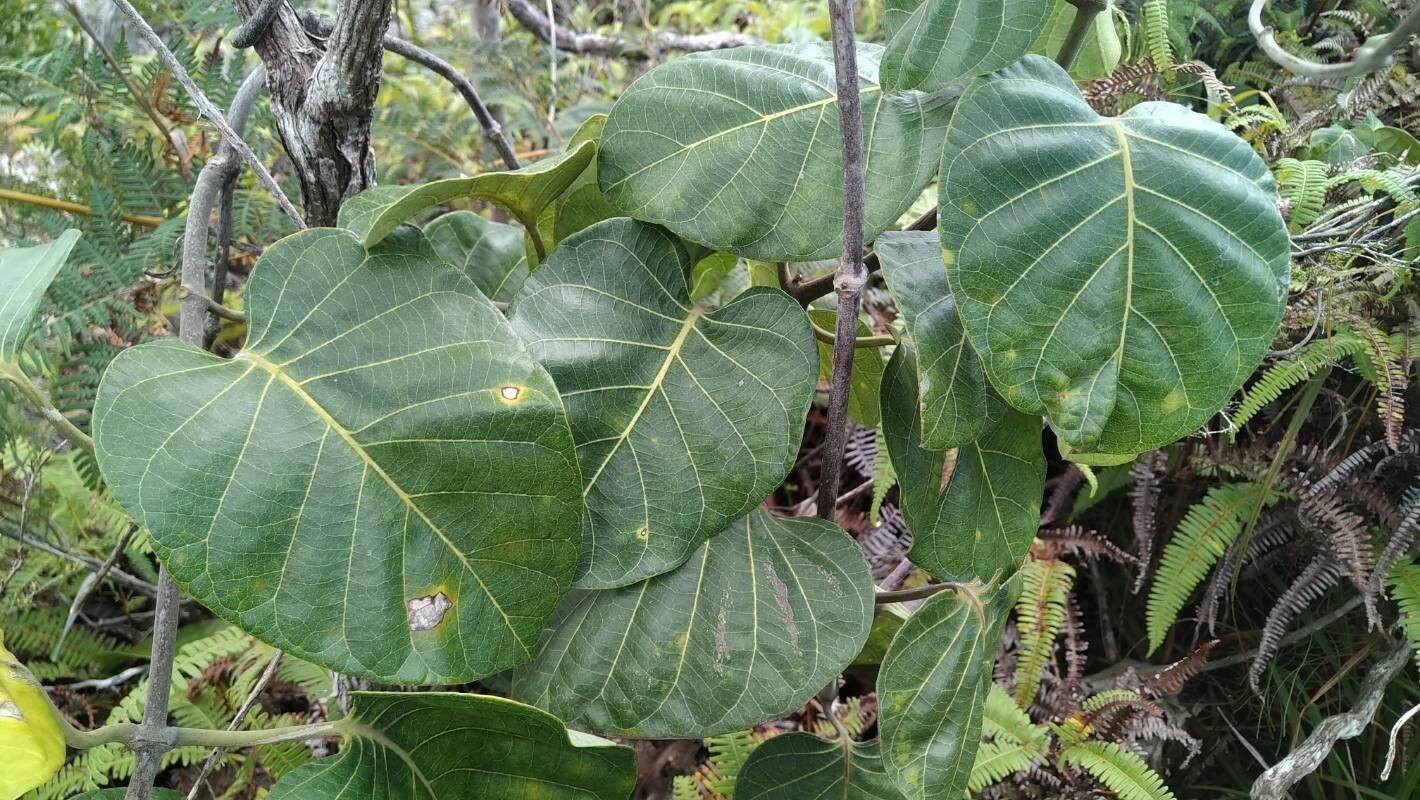
Parsonsia pachycarpa, also known as the Thick-fruited Silkpod, is a fascinating climber native to Australia. With its glossy green leaves and clusters of creamy, fragrant flowers, this versatile plant adds a touch of the Australian bush to gardens. But what about sharing the joy of Parsonsia pachycarpa with fellow plant lovers? That’s where propagation comes in.
While Parsonsia pachycarpa might sound like a complex botanical specimen, propagating it doesn’t have to be a mystery. This guide explores the two most effective methods:
1. Seed Propagation: Embracing the Journey from Tiny Seed to Vigorous Climber
Parsonsia pachycarpa produces unique, elongated seed pods filled with feathery seeds. If you’re lucky enough to harvest some, here’s how to sow them:
- Seed Collection and Preparation: Gather the seed pods once they turn brown and dry. Open them carefully and collect the seeds, separating them from the fluffy attachments.
- Sowing Time: Spring, when the temperature starts to warm up, is ideal.
- Soil Mix: Opt for a well-draining seed raising mix.
- Sowing Depth: Lightly press the seeds onto the surface of the soil and barely cover them.
- Watering: Water gently using a spray bottle to avoid disturbing the seeds.
- Location: Find a warm, bright spot out of direct sunlight.
Germination can take a few weeks. Be patient and keep the soil consistently moist but not waterlogged.
2. Cutting Propagation: Sharing the Gift of Growth with Stem Cuttings
For a quicker and potentially more reliable method, propagation from cuttings is your best bet. This technique involves encouraging a segment of the plant to develop roots and grow into a new, independent plant. Follow these steps:
- Timing is Everything: Late spring or early summer, when the plant is actively growing, offers the highest chance of success.
- Selecting the Perfect Cutting: Choose a healthy stem that’s not flowering and is about 10-15 cm long.
- Preparing the Cutting: Using clean, sharp secateurs, make a cut just below a leaf node (the point where the leaf attaches to the stem). Remove the lower leaves, leaving a few at the top.
- Hormone Help: Dipping the cut end in rooting hormone powder significantly increases the chances of success by stimulating root development.
- Planting the Cutting: Choose a pot with drainage holes and fill it with a free-draining potting mix. Make a small hole in the center and gently insert the cutting, burying the leaf node.
- Creating a Humid Environment: Cover the pot with a clear plastic bag or use a propagation dome to lock in moisture. This humidity promotes root development.
- Location, Location, Location: Place the pot in a warm, bright spot out of direct sunlight.
Check the soil moisture regularly and mist the cutting if needed. With proper care, roots should develop within 4-8 weeks, and you’ll soon have a new Parsonsia pachycarpa to enjoy or share!
A Final Word of Encouragement
Propagating Parsonsia pachycarpa is a rewarding experience that allows you to connect with this beautiful plant on a deeper level. While success isn’t always guaranteed, don’t be afraid to experiment and learn from each attempt. Soon, you’ll be sharing this Australian native with fellow plant enthusiasts and expanding the reach of its captivating beauty.