
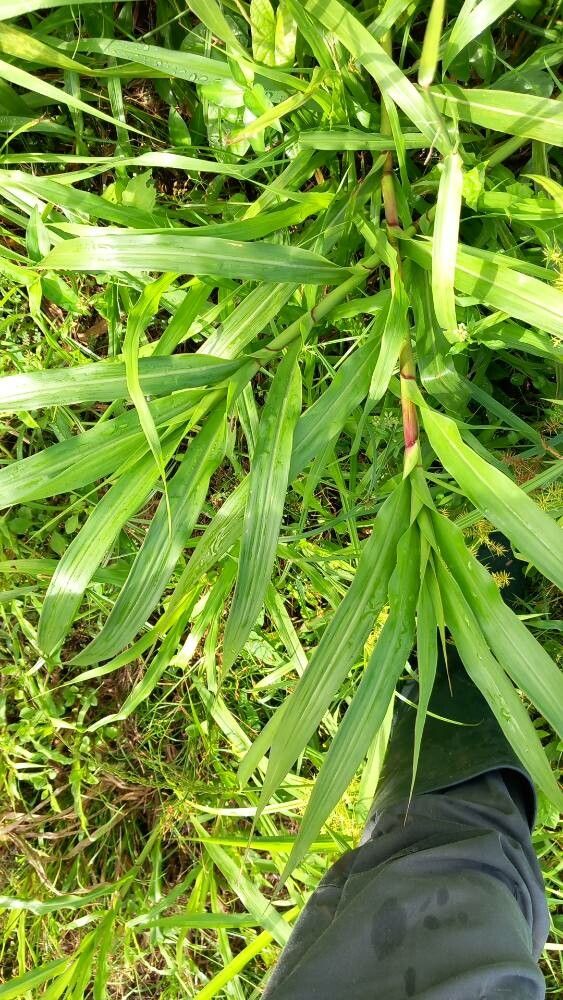
Taming the Brownseed Paspalum: A Guide to Propagating Paspalum fasciculatum
Brownseed Paspalum (Paspalum fasciculatum), a warm-season perennial grass, might not roll off the tongue like roses or tulips, but its resilience and usefulness in landscaping make it a star in its own right. Whether you’re a seasoned gardener or just starting, this guide will equip you with the know-how to propagate this hardy grass effectively.
Decoding Paspalum Fasciculatum
Before we delve into propagation, let’s understand this grass a bit better. Native to the Americas, Brownseed Paspalum is known for its rapid growth and adaptability to various soil types. It thrives in full sun to partial shade and tolerates periods of drought once established. This makes it a valuable choice for pastureland, erosion control, and as a low-maintenance lawn alternative in warmer climates.
Propagation Power: Seeds vs. Division
Brownseed Paspalum can be propagated through two primary methods: seeds and division.
1. Seeding Success:
- Timing is Key: Sow seeds in late spring or early summer when the soil is consistently warm.
- Prepare the Ground: Choose a well-drained site and loosen the soil. A light layer of compost can enhance germination.
- Sowing Depth: Sprinkle seeds evenly across the surface and lightly rake them in, ensuring they are covered by no more than ¼ inch of soil.
- Moisture Matters: Keep the seeded area consistently moist, not waterlogged, until germination occurs, typically within 2-3 weeks.
- Patience, Please: Allow the seedlings to establish themselves before transplanting them to their desired location.
2. Division for Instant Gratification:
- When to Divide: Early spring or fall is the ideal time to divide established Paspalum clumps.
- Digging Deep: Carefully dig around the clump you wish to divide, ensuring you reach the entire root system.
- Separation Strategy: Using a sharp knife or garden spade, divide the clump into smaller sections, each with a healthy amount of roots and shoots.
- Transplant Time: Plant the divided sections in their new locations, ensuring the crown of the plant (where the roots meet the shoots) is level with the soil surface.
- Water Wisely: Water thoroughly after planting and regularly until the divisions are well established.
Tips for Thriving Paspalum
- While Brownseed Paspalum can tolerate some shade, it flourishes in full sun exposure.
- Though relatively drought-tolerant once established, regular watering during the first year promotes vigorous growth.
- This grass is a low-maintenance beauty, rarely requiring fertilizer.
- Monitor for common pests and diseases and address them promptly.
Reaping the Rewards
Successfully propagating Paspalum fasciculatum allows you to multiply your plantings, create lush green spaces, and even share this versatile grass with fellow gardeners. With a little patience and these propagation techniques, you’ll be well on your way to cultivating a thriving patch of Brownseed Paspalum.