
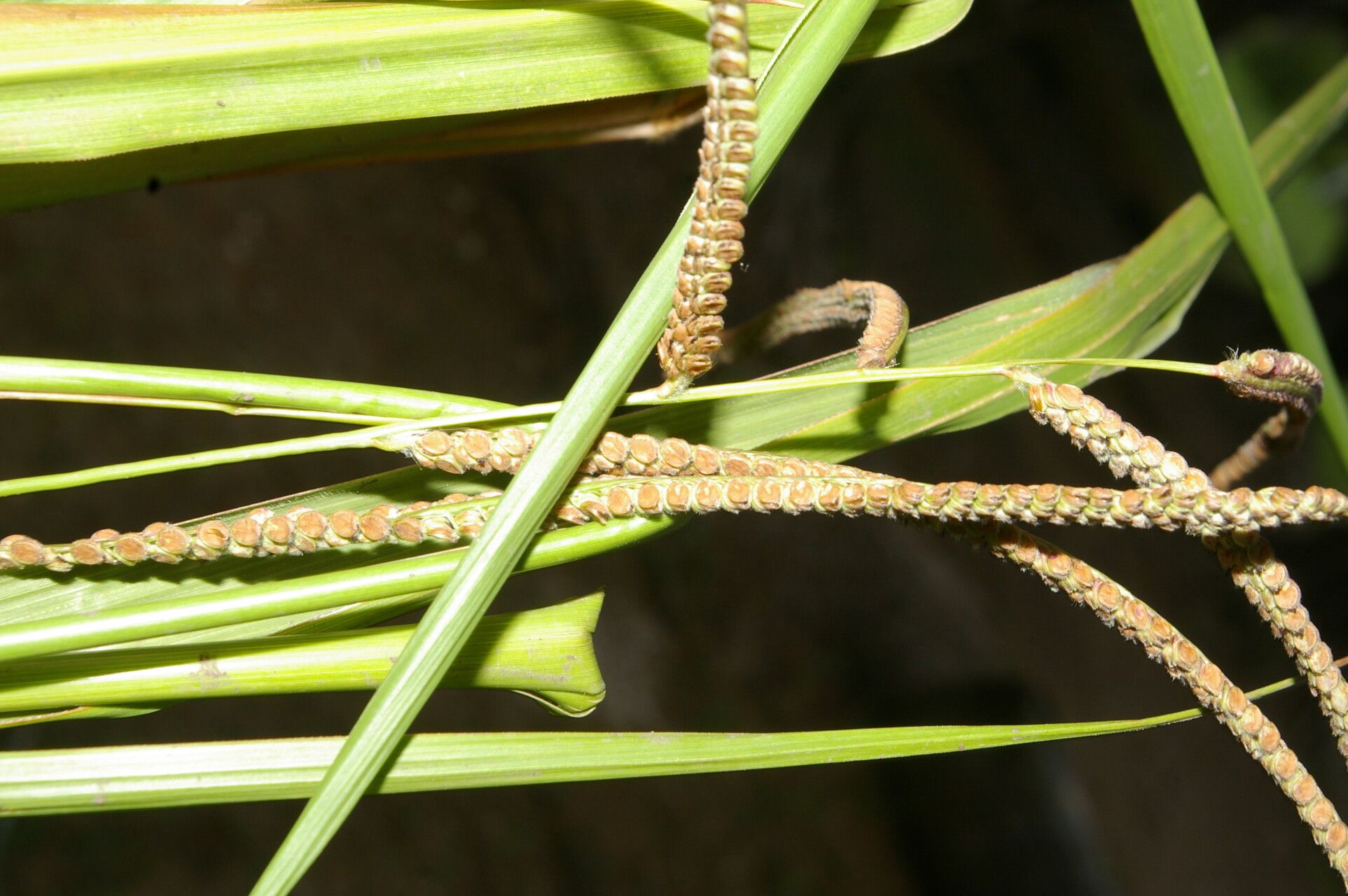
From Seed to Lawn: Unveiling the Secrets of Paspalum Virgatum Propagation
Tired of struggling with a temperamental lawn? Enter Paspalum virgatum, a resilient and beautiful grass species known for its low maintenance, drought tolerance, and stunning green hue. But how do you go from a single Paspalum virgatum plant to a lush, thriving lawn? The answer lies in propagation, the art of creating new plants from existing ones.
Seeds of Success:
For those seeking a budget-friendly and efficient method, seed propagation is the go-to choice. Paspalum virgatum seeds are readily available and offer a cost-effective way to establish a new lawn.
The Process:
- Prepare the Soil: Choose a sunny spot with well-drained soil. You can further enhance the soil by adding a light layer of compost.
- Sowing the Seeds: Spread the seeds evenly across the prepared area, gently raking them into the soil.
- Watering: Water the seeds thoroughly but gently, aiming for consistent moisture.
- Patience: Germination typically takes 7-14 days, so be patient and maintain consistent watering.
Tips for Seed Success:
- Time is Key: The ideal time to sow seeds is in the spring or early summer when the soil is warm.
- Don’t Overcrowd: Ensure adequate space between seeds for proper growth and airflow.
- Weed Control: Keep an eye out for weeds and remove them promptly to prevent competition for resources.
Vegetative Propagation: The Speed Demon:
For those looking for faster results, vegetative propagation methods like division and stolons offer a quicker path to a lush lawn.
1. Division:
- Digging Up Existing Plants: Gently dig up a healthy Paspalum virgatum clump and separate it into smaller divisions.
- Replanting: Each division should have strong roots and a good amount of foliage. Replant them in prepared soil, ensuring sufficient space between each division.
2. Stolon Propagation:
- Taking Stolons: Stolons are horizontal stems that grow along the ground and produce new roots and shoots. Carefully cut a section of stolon with healthy roots.
- Planting the Stolons: Plant the stolons directly into the prepared soil, ensuring the roots are covered. Water them deeply and regularly.
The Advantages of Vegetative Propagation:
- Faster Growth: Vegetative methods produce new plants much quicker than seed propagation.
- Genetic Identity: The new plants will be genetically identical to the parent plant, ensuring consistent characteristics.
Important Considerations:
- Soil Testing: Before planting, test your soil’s pH and nutrient levels to ensure optimal growth.
- Watering: Consistent watering is vital for successful propagation.
- Fertilization: Apply a balanced fertilizer to provide essential nutrients for healthy growth.
Final Thoughts:
Whether you choose seeds or vegetative propagation, Paspalum virgatum offers a beautiful and resilient ground cover that’s sure to add a touch of green beauty to your landscape. With a little patience and planning, you’ll be enjoying a thriving Paspalum virgatum lawn in no time.