
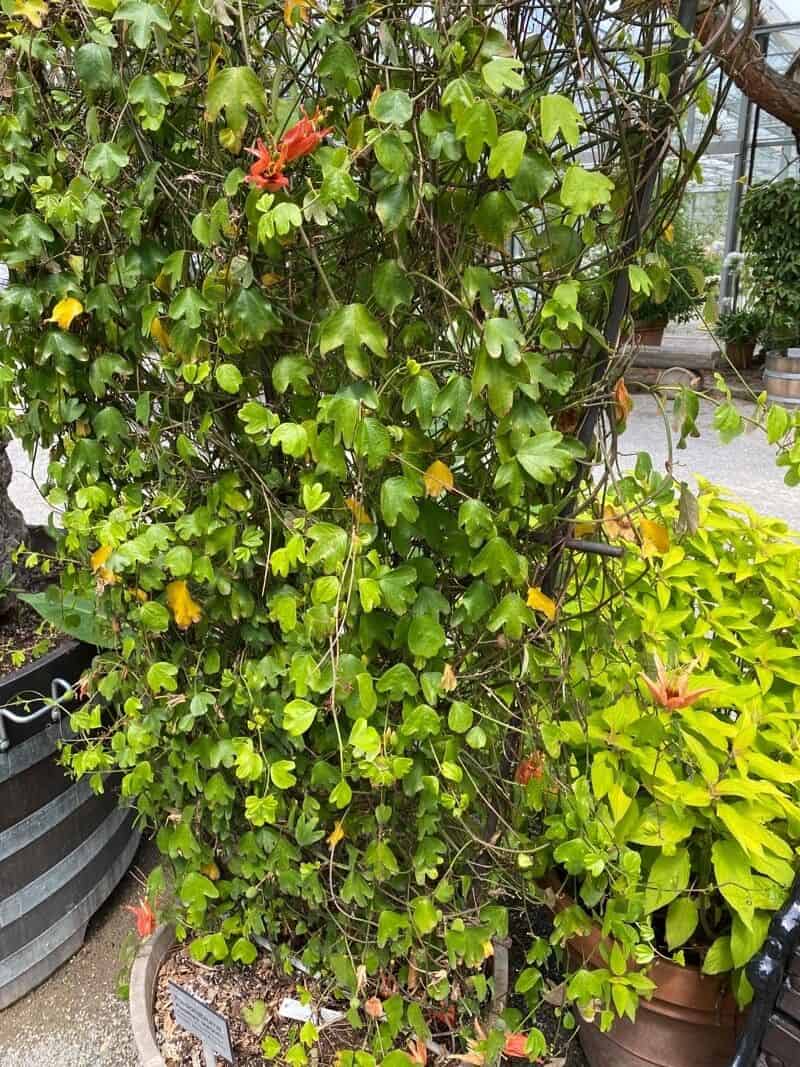
Unveiling the Secrets to Propagating the Enchanting Red Passionflower (Passiflora aurantia)
The Red Passionflower (Passiflora aurantia) is a captivating climber, boasting exotic, scarlet blooms that resemble intricate works of natural art. Native to Australia, this vigorous vine can transform gardens into tropical havens with its lush foliage and vibrant flowers. While the enchanting beauty of the Red Passionflower speaks for itself, knowing how to propagate it allows you to share this botanical treasure and multiply your own verdant sanctuary.
Luckily, propagating the Red Passionflower isn’t as complex as its flowers might suggest. There are two main methods you can utilize:
1. Propagation from Seed:
This method, while requiring a bit more patience, can be incredibly rewarding. Here’s how you can do it:
- Harvesting Seeds: Allow the Red Passionflower fruit, small green berries, to fully ripen. You’ll find ripe seeds within, encased in a sweet pulp.
- Seed Preparation: Clean the seeds thoroughly, removing any remaining pulp. Soak the seeds in warm water for 24 hours to enhance germination rates.
- Sowing the Seeds: Choose a well-draining seed starting mix and sow the seeds about ¼ inch deep. Mist the soil gently and keep it consistently moist but not waterlogged.
- Provide Warmth and Light: Place the seed tray in a warm location with bright, indirect sunlight. Using a heat mat can speed up germination, which usually takes around 2-4 weeks.
- Transplanting: Once seedlings develop a few sets of true leaves, transplant them into larger individual pots.
2. Propagation from Cuttings:
This method provides quicker results and is particularly useful for replicating the characteristics of a specific Red Passionflower plant. Follow these steps:
- Taking Cuttings: In spring or early summer, select healthy stems that are not flowering. Using clean, sharp shears, cut about 4-6 inch sections just below a leaf node.
- Prepare the Cuttings: Remove the lower leaves from the cutting, leaving only a couple at the top. You can dip the cut end in rooting hormone powder to encourage root development.
- Potting the Cuttings: Plant the cuttings in a well-draining potting mix, burying at least one node below the soil line.
- Creating a Humid Environment: To promote rooting, maintain high humidity around the cuttings. Cover the pot with a clear plastic bag or use a humidity dome.
- Monitor and Care: Place the pot in a warm location with bright, indirect light. Keep the soil consistently moist but avoid overwatering.
- Transplanting: In about 4-6 weeks, gently tug on the cutting. Resistance indicates successful rooting. Transplant the rooted cutting into a larger pot or directly into your garden once it shows significant growth.
Essential Tips for Success:
- Regardless of the method, Red Passionflowers thrive in warm temperatures (65-85°F) and well-draining soil.
- Opt for a location with at least 6 hours of sunlight per day for optimal blooming.
- Provide support for these vigorous climbers with trellises, fences, or arbors.
- Water regularly, especially during dry periods, but avoid overwatering which can lead to root rot.
Propagating your own Red Passionflower is a deeply rewarding experience. It allows you to witness the plant’s lifecycle firsthand and adds a touch of your own gardening magic to creating more of these breathtaking blooms. So why wait? Embark on this botanical journey and fill your world with the captivating beauty of the Red Passionflower.