
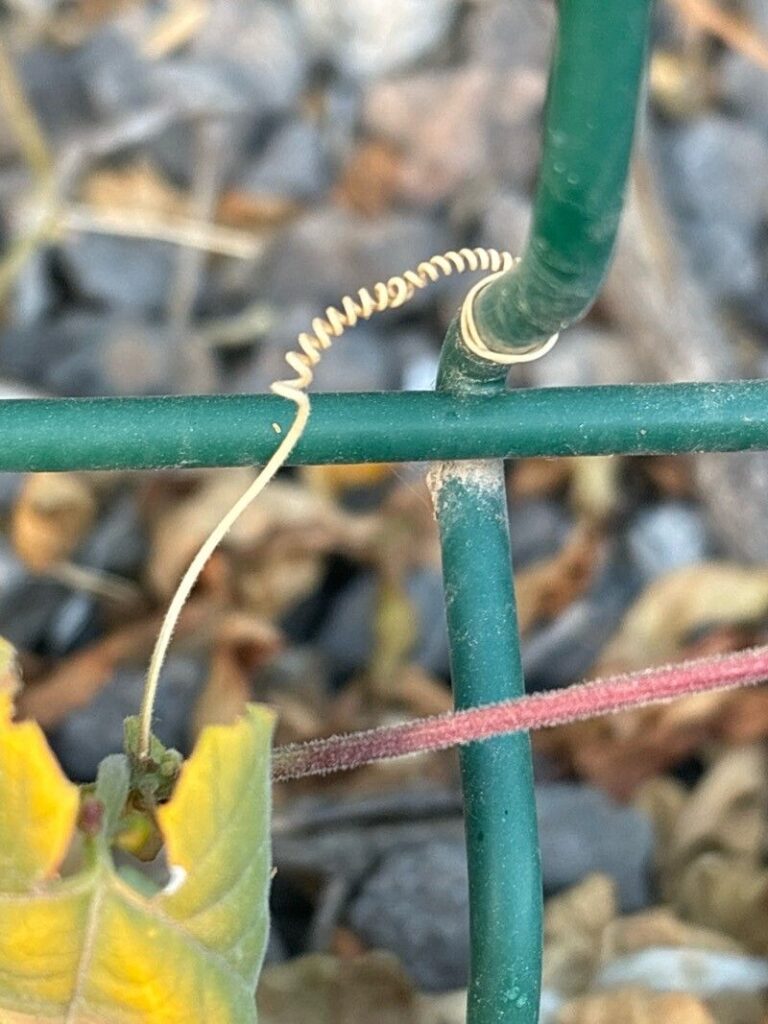
Unlocking the Secrets of Passion Flower Propagation: Growing Your Own Passiflora Ciliata
The Passiflora ciliata, better known as the “Whiskered Passionflower,” is a captivating vine adorned with striking, fragrant flowers and delicious, sweet-tart fruit. But the true magic lies in its potential to multiply: it’s surprisingly easy to propagate this stunning plant from seeds or cuttings, allowing you to fill your garden with its vibrant presence or share the wonder with fellow plant enthusiasts.
From Seed to Sprout:
Starting from seeds is an adventure for the patient gardener. Here’s a simple guide:
- Harvest the seeds: Choose ripe, plump fruit and remove the seeds. Clean them gently with water and let them dry completely.
- Prepare the soil: Use a well-draining seed-starting mix and fill small pots or trays. Lightly moisten the soil.
- Sowing the seeds: Gently press the seeds into the soil, about ¼ inch deep, and cover them with a thin layer of soil.
- Provide warmth: Place the pots or trays in a warm, bright location where temperatures stay around 70-75°F (21-24°C).
- Maintain moisture: Keep the soil consistently moist but not soggy. Seedlings should emerge in 2-4 weeks.
Cuttings for Quicker Growth:
For a more direct approach, opt for cuttings, a method renowned for its speed and success rate.
- Choose the right cutting: Take a stem cutting about 4-6 inches long from a healthy, actively growing section of the vine.
- Prepare the cutting: Remove any lower leaves and make a clean cut just below a node, using a sharp knife or shears.
- Root hormone: Dip the cut end into rooting hormone to encourage root development.
- Potting medium: Fill small pots with a light, well-draining mix like peat moss or perlite.
- Planting the cutting: Make a hole in the soil, insert the cutting, and gently firm the soil around it.
- Water and humidity: Keep the soil moist and provide a humid environment by covering the pot with a plastic dome or bag.
- Patience is key: Roots should develop within a few weeks. Watch for signs of new growth, indicating successful rooting.
A Few Tips to Maximize Success:
- Choose cuttings from healthy, vigorous vines. Avoid any stems that appear weak or diseased.
- Experiment with different rooting mediums. Some gardeners prefer using water propagation for their cuttings.
- Keep the humidity levels high. This helps to prevent the cuttings from drying out before they root.
- Provide bright, indirect light. Too much direct sunlight can scorch the cuttings.
- Be patient. Propagation takes time, so don’t give up if you don’t see results immediately.
Beyond Propagation: Nurturing Your Passiflora Ciliata
Once your propagated Passiflora ciliata is established, it’s vital to provide the right environment for it to thrive:
- Sunlight: This vine loves plenty of sunlight, so place it in a location that receives at least 6 hours of sunlight each day.
- Water: Keep the soil consistently moist, but avoid overwatering. Allow the top inch of soil to dry out between waterings.
- Fertilizer: Feed your vine regularly during its growing season with a balanced liquid fertilizer.
The Rewards of Propagation
Growing your own Passiflora ciliata from seeds or cuttings is a fulfilling journey. Witnessing these beautiful vines unfurl their unique blooms and produce sweet, edible fruits is truly rewarding. It’s a testament to the power of nature and the joy of propagation, allowing you to share this vibrant passionflower with others and create your own thriving garden oasis.