
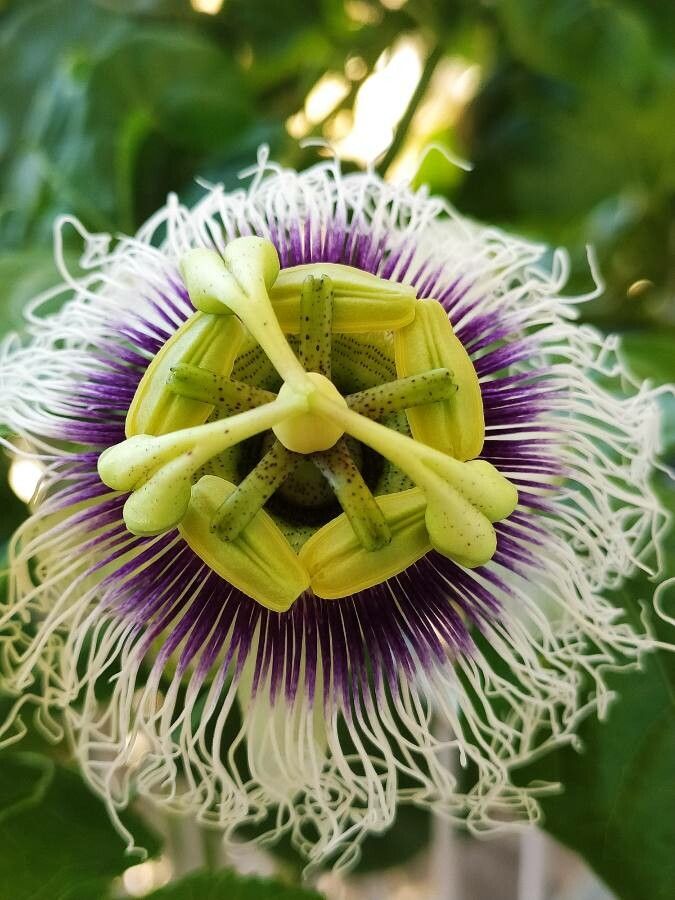
Unlocking the Secrets of Passion Fruit Propagation: Grow Your Own Exotic Bounty
Passion fruit, with its tangy, fragrant pulp, is a tropical delight. But did you know that growing your own Passiflora edulis, the vine that produces this exotic fruit, is surprisingly achievable? Propagation, the process of creating new plants, is the key to unlocking a steady supply of these delicious treats. Let’s dive into the fascinating world of passion fruit propagation and explore the most effective methods for success.
Method 1: Seed Starting – A Journey of Patience and Reward
Growing passion fruit from seed is an exciting adventure, rewarding you with a sense of accomplishment as you witness the entire lifecycle of the plant. Here’s how to embark on this rewarding journey:
- Seed Selection: Harvest seeds from fully ripe passion fruits, ensuring they are plump and healthy. Alternatively, purchase seeds from a reputable supplier.
- Seed Preparation: To enhance germination rates, soak the seeds in warm water for 24 hours. Discard any seeds that float, as they are unlikely to germinate.
- Sowing the Seeds: Prepare small pots or seed trays with a well-draining seed-starting mix. Sow the seeds about ½ inch deep and lightly cover them with the mix.
- Creating Ideal Conditions: Passion fruit seeds thrive in warmth and humidity. Place the pots/trays in a warm location (70-80°F) and maintain consistent moisture by misting regularly or using a humidity dome.
- Patience is Key: Germination can take anywhere from 2 to 8 weeks. Once the seedlings emerge, provide them with bright, indirect light.
Method 2: Cuttings – Fast-Tracking Your Passion Fruit Harvest
For a quicker and often more reliable method, consider propagating passion fruit from cuttings. Here’s a step-by-step guide:
- Selecting the Right Cutting: Choose healthy, non-flowering stems from a mature passion fruit vine. Ideally, the cutting should be around 6-8 inches long and have at least 3-4 nodes (small bumps where leaves emerge).
- Preparing the Cutting: Remove the leaves from the lower one-third of the stem. Dip the cut end in rooting hormone powder (optional but recommended) to stimulate root development.
- Planting the Cutting: Fill a small pot with a well-draining potting mix. Make a small hole in the center and gently insert the cutting, ensuring that at least two nodes are buried.
- Encouraging Root Development: Place the pot in a warm, humid environment with bright, indirect light. Keep the soil consistently moist but not waterlogged.
- Transplanting: After 4-6 weeks, your cutting should have developed roots. Once new growth appears, you can transplant your rooted cutting into a larger pot or directly into the ground.
Nurturing Your Passion Fruit Vine:
Regardless of the propagation method, providing your passion fruit vine with proper care is crucial for its growth and fruit production. Ensure it receives:
- Support: Passion fruit vines are vigorous climbers and require sturdy support like a trellis or fence.
- Sunlight: Choose a sunny location that receives at least 6 hours of direct sunlight daily.
- Well-Drained Soil: Plant your vine in fertile, well-drained soil.
- Regular Watering: Water deeply and consistently, especially during dry periods.
- Fertilization: Feed your vine every 4-6 weeks during the growing season with a balanced fertilizer.
Propagating your own passion fruit is an enriching and rewarding experience. Whether you choose the patience of seed starting or the speed of cuttings, these methods unlock the potential for an abundant harvest of this delectable tropical fruit. So, embark on this horticultural adventure and savor the sweetness of your own homegrown passion fruit!