
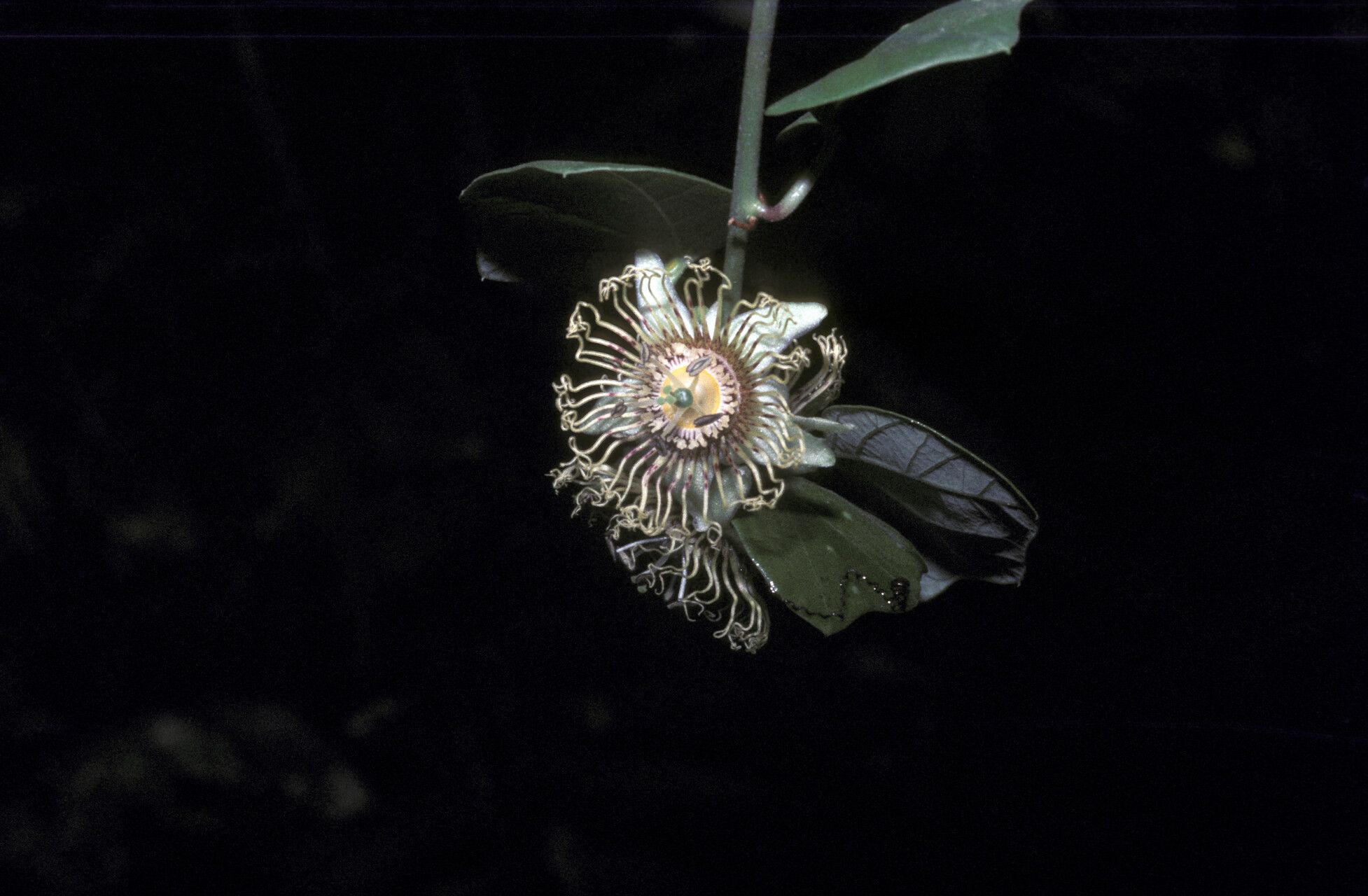
Unveiling the Secrets of the Fanchoniae Passionflower: A Guide to Propagation
The Passiflora fanchoniae, also known as the Fanchoniae Passionflower, is a captivating climber adorned with intricate and vibrant blossoms. Native to the moist, tropical forests of South America, this exotic beauty can thrive in your home with proper care – and propagating it yourself is a rewarding journey for any plant enthusiast.
This comprehensive guide delves into the art of propagating Passiflora fanchoniae, empowering you to multiply your collection and share this stunning species with fellow plant lovers.
Two Paths to Propagation Success:
There are two primary methods for propagating Passiflora fanchoniae:
Seed Propagation: While a lengthier process, growing from seed can be incredibly satisfying and offers the potential for unique variations in your plants.
- Stem Cuttings: This method is quicker and generally more reliable, ensuring you replicate the exact characteristics of your parent plant.
Method 1: Cultivating from Seed
- Source Fresh Seeds: The success of seed propagation hinges on the quality of your seeds. Harvest ripe fruits from existing plants or purchase from a reputable supplier. Look for plump, healthy seeds.
- Break Dormancy (Optional): Passiflora fanchoniae seeds possess a hard outer shell, which sometimes requires scarification to encourage germination. Gently rub the seeds with sandpaper or soak them in warm water for 24 hours.
- Sow with Care: Plant seeds about ¼ inch deep in a well-draining seed starting mix. Maintain moisture and a warm temperature (around 70-75°F or 21-24°C) using a humidity dome or propagator.
- Patience is Key: Germination can take anywhere from a few weeks to several months. Be patient and provide consistent care.
Method 2: Propagating through Stem Cuttings
- Choose the Right Time: Spring or early summer, when the plant is actively growing, offers the highest success rate for stem cuttings.
- Select Healthy Stems: Identify a healthy, non-flowering stem with at least 2-3 leaf nodes. Using clean, sharp shears, make a 4-6 inch cutting just below a node.
- Prepare the Cutting: Remove the bottom leaves, leaving 2-3 leaves at the top. You can dip the cut end in rooting hormone (optional) to promote root development.
- Plant and Nurture: Plant the cutting in a well-draining potting mix, ensuring at least one node is buried. Maintain warmth, moisture, and humidity around the cutting.
- Transplant upon Rooting: In a few weeks, gently tug on the cutting – resistance indicates successful rooting. Once roots are well established, transplant your new Passiflora fanchoniae into a larger pot.
Essential Tips for Success:
- Well-Draining Soil: Passiflora fanchoniae thrives in well-draining soil to prevent root rot.
- Bright, Indirect Light: Choose a location with bright, indirect sunlight to mimic its natural environment.
- Consistent Moisture: Keep the soil consistently moist but not waterlogged. Allow the top inch of soil to dry between waterings.
- Support for Climbing: Provide a trellis, stake, or other climbing support as your Passiflora fanchoniae grows.
Propagating the captivating Passiflora fanchoniae is a fulfilling endeavor. Whether you choose the patience of seeds or the speed of cuttings, watching your efforts blossom into a new generation of these stunning plants is a truly rewarding experience for any plant enthusiast.