
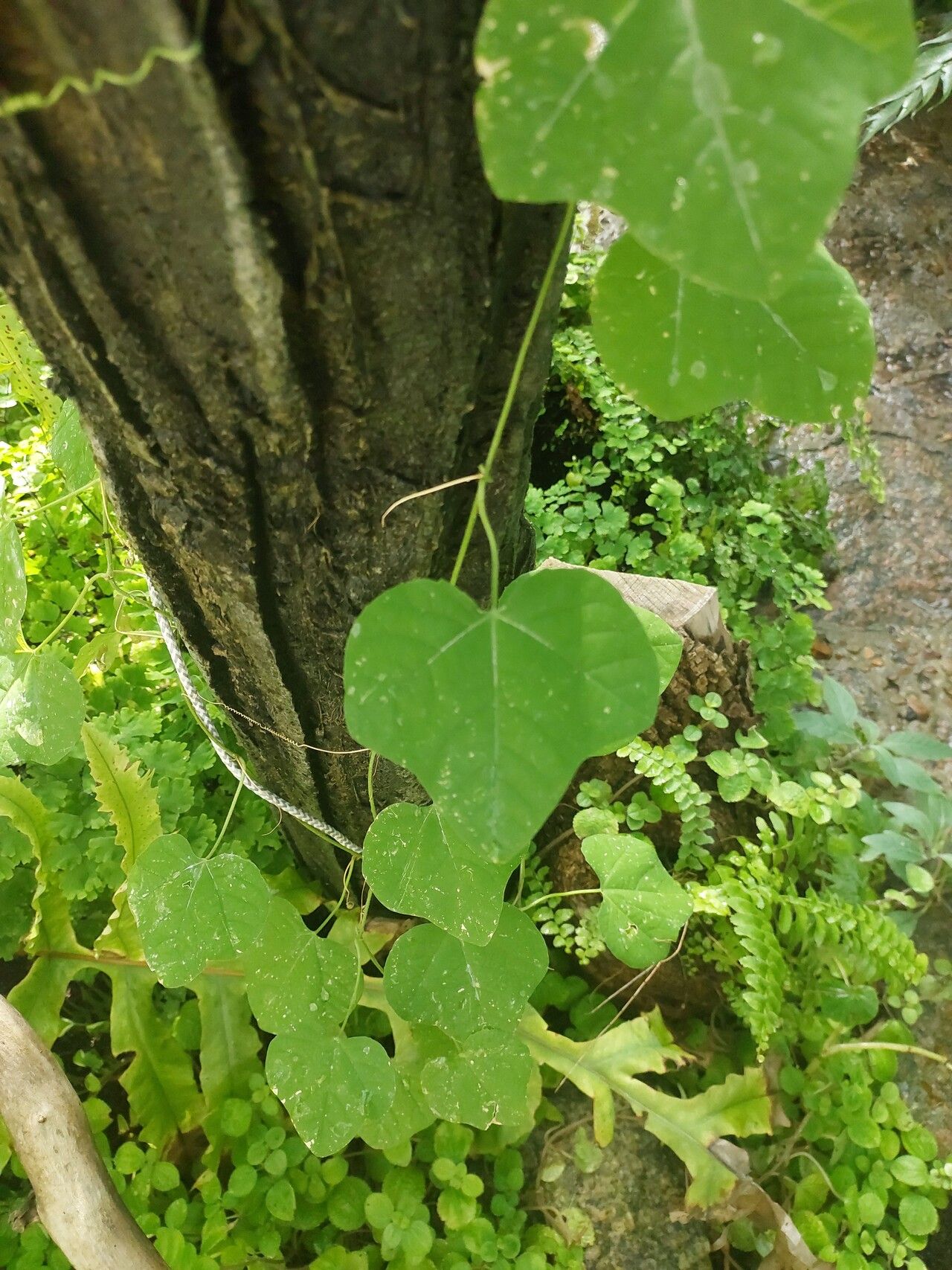
Unlocking the Secrets of Passiflora Filipes: A Guide to Propagation
The Passiflora filipes, with its delicate, tendril-like foliage and intricate, otherworldly flowers, is a captivating addition to any garden. While its beauty is undeniable, many shy away from cultivating this stunning climber due to perceived difficulties in propagation. Fear not! This guide will demystify the process and equip you with the knowledge to successfully propagate your very own Passiflora filipes.
Two Paths to Propagation:
Like many passionflower species, Passiflora filipes can be propagated through two primary methods:
1. Seed Propagation: A Journey of Patience and Reward
While seeds offer a rewarding experience, they require a bit more patience. Here’s how to sow the seeds of success:
- Source Fresh Seeds: Fresh seeds yield the highest germination rates. Harvest ripe fruit from an existing plant or source them from a reputable supplier.
- Prepare for Germination: Passiflora filipes benefits from a period of cold stratification to mimic natural conditions. Place the seeds in a damp paper towel, seal them in a plastic bag, and store them in your refrigerator for 4-6 weeks.
- Sowing Time: After stratification, sow the seeds in a well-draining seed starting mix, covering them lightly with soil.
- Ideal Conditions: Maintain a warm environment (70-75°F) and keep the soil consistently moist but not waterlogged.
- Be Patient: Germination can take anywhere from a few weeks to a couple of months. Don’t lose hope!
2. Cuttings: A Faster Route to Success
Propagating from cuttings offers faster results and ensures the offspring will share the characteristics of the parent plant.
- Choose the Right Time: The ideal time for taking cuttings is during the active growing season in spring or early summer.
- Select Healthy Stems: Look for healthy, non-flowering stems, ideally with at least 3-4 nodes (the points where leaves emerge).
- Make the Cut: Using a sharp, sterilized knife or pruning shears, take a cutting about 4-6 inches long. Make the cut just below a node.
- Prepare the Cutting: Remove the leaves from the bottom inch or two of the cutting.
- Encourage Rooting: You can dip the cut end in rooting hormone powder (optional but recommended) to encourage root development.
- Plant and Wait: Plant the cutting in a well-draining potting mix, burying at least one node. Keep the soil consistently moist.
Nurturing Your New Plants
- Light: Passiflora filipes thrives in bright, indirect light. Avoid harsh, direct sunlight that can scorch the delicate leaves.
- Water: Water regularly, allowing the soil to dry slightly between watering. Good drainage is crucial to prevent root rot.
- Support: As this is a climbing vine, provide a trellis, stake, or other support structure for the tendrils to grasp onto.
Propagating your Passiflora filipes is a fulfilling endeavor that allows you to expand your plant collection while witnessing the miracle of new life firsthand. With a little patience and care, you’ll be able to enjoy the captivating beauty of these mesmerizing climbers for years to come.