
Propagating Passiflora × rosea: A Gardener’s Guide to the Rose Passion Flower
Introduction:
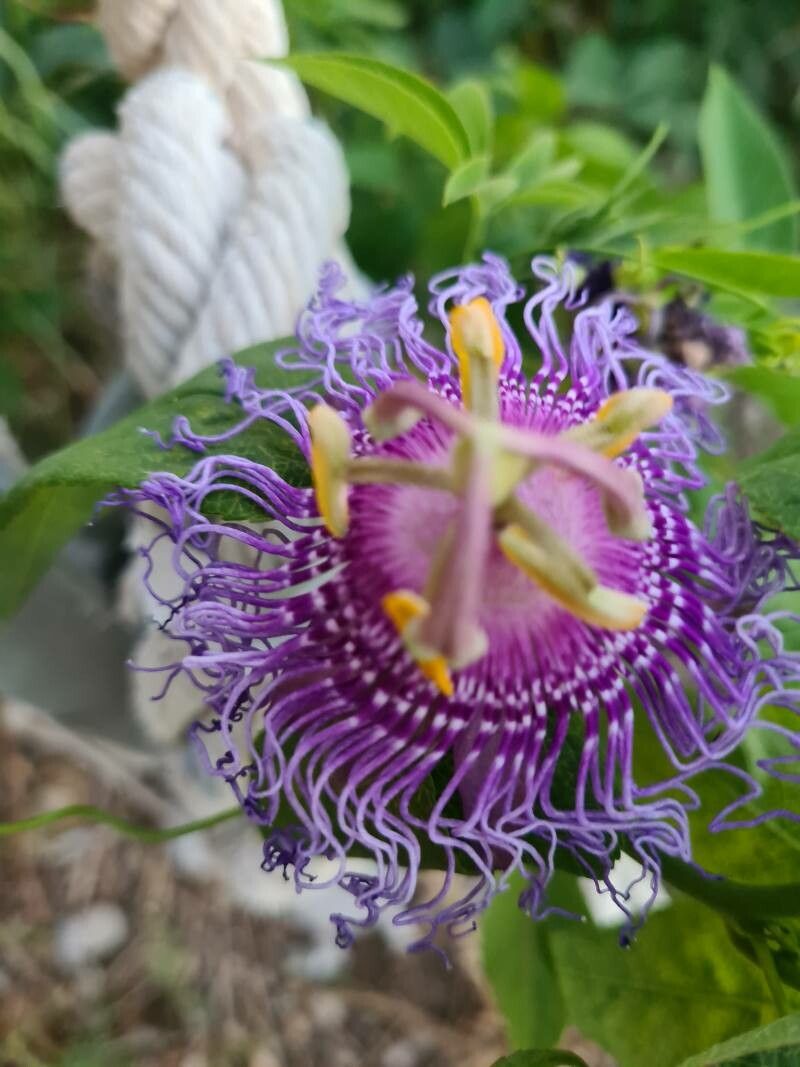
Passiflora × rosea, commonly known as the Rose Passion Flower, is a stunning hybrid known for its delicate, rosy-pink flowers and vigorous growth habit. Its captivating blooms, intricate floral structure, and relatively easy cultivation have made it a popular choice among gardeners worldwide. However, propagating this beautiful vine presents unique challenges and rewards, depending on the chosen method. Understanding these intricacies is crucial for successfully expanding your collection of this alluring plant. Its hybrid nature, resulting from the cross-breeding of different Passiflora species, influences its propagation potential, making some methods more successful than others.
Seed Germination:
Currently, there are no known reliable methods for seed germination propagation of Passiflora × rosea. Hybrids often exhibit reduced fertility, leading to low seed viability or seeds that fail to germinate even under optimal conditions. Further research might reveal specific techniques, but at present, seed propagation is not a practical approach for this particular species.
Cuttings:
Cuttings represent a far more successful method for propagating Passiflora × rosea.
Challenges: While relatively straightforward, success with cuttings relies on selecting healthy, actively growing stems and providing suitable environmental conditions to encourage root development. Cutting selection and preventing rot are key considerations.
Practical Tips: Semi-hardwood cuttings taken in late spring or early summer generally perform best. Cuttings should be approximately 4-6 inches long, with several nodes. Remove lower leaves to prevent rotting and dip the cut end in rooting hormone before planting in a well-draining potting mix (e.g., a peat-based mix with perlite). Maintain high humidity (using a propagator or plastic bag) and warmth (around 70-75°F) while keeping the mix consistently moist but not waterlogged.
Rewards: Cuttings offer a reliable method for creating genetically identical plants, ensuring the preservation of the desirable characteristics of the parent plant. This method is relatively quick, allowing for a faster increase in the number of plants compared to other methods.
Division:
Division of established plants is another viable method, particularly for larger, more mature Passiflora × rosea.
Challenges: This method relies on having a suitably established plant with sufficient root mass to be divided without severely impacting either the parent plant or the divisions. Care is needed to minimize root damage during separation.
Practical Tips: Carefully dig up the parent plant and gently separate the root ball into several sections, ensuring each division has healthy roots and several stems. Replant the divisions immediately in well-prepared soil, ensuring adequate watering.
Rewards: Division offers a swift way to increase the number of plants, especially when dealing with a mature, vigorous plant. It’s a more low-tech option than tissue culture.
Tissue Culture:
Tissue culture is a highly specialized propagation technique, offering potential for large-scale propagation.
Challenges: This method requires specialized equipment, sterile laboratory conditions, and a thorough understanding of plant tissue culture protocols. It involves culturing plant tissue in a nutrient-rich medium to induce the formation of new plantlets. This is technically demanding and expensive.
Practical Tips: This method is best left to specialized growers or laboratories due to its complexity.
Rewards: Tissue culture offers the potential for mass production of genetically identical plants, overcoming limitations associated with seed or cutting propagation. It also reduces the risk of disease transmission.
Conclusion:
Propagating Passiflora × rosea presents a unique set of challenges and rewards. While seed propagation isn’t currently feasible, cuttings and division offer relatively accessible methods for the home gardener, providing a rewarding experience. Tissue culture remains a specialized approach for large-scale operations. The satisfaction of successfully nurturing a cutting into a thriving vine, or carefully dividing a mature plant, far outweighs the initial effort. The unique beauty and vigorous growth of Passiflora × rosea make it a worthwhile endeavor for even the most experienced plant enthusiast. So, embark on your propagation journey, embrace the learning process, and enjoy the beautiful rewards of successfully cultivating this captivating plant.