
Unlocking the Secrets of Paullinia mallophylla: A Guide to Propagation
Paullinia mallophylla, also known as the “soap liana” or “curuba,” is a fascinating plant native to the Amazon rainforest. With its vibrant green foliage, unique fruit clusters, and traditional uses in soap-making, it’s no wonder enthusiasts are keen on cultivating this tropical gem. But propagating Paullinia mallophylla can seem like a daunting task. Fret not, fellow plant lovers! This guide will unlock the secrets to successfully multiplying your very own soap liana.
Understanding Paullinia mallophylla:
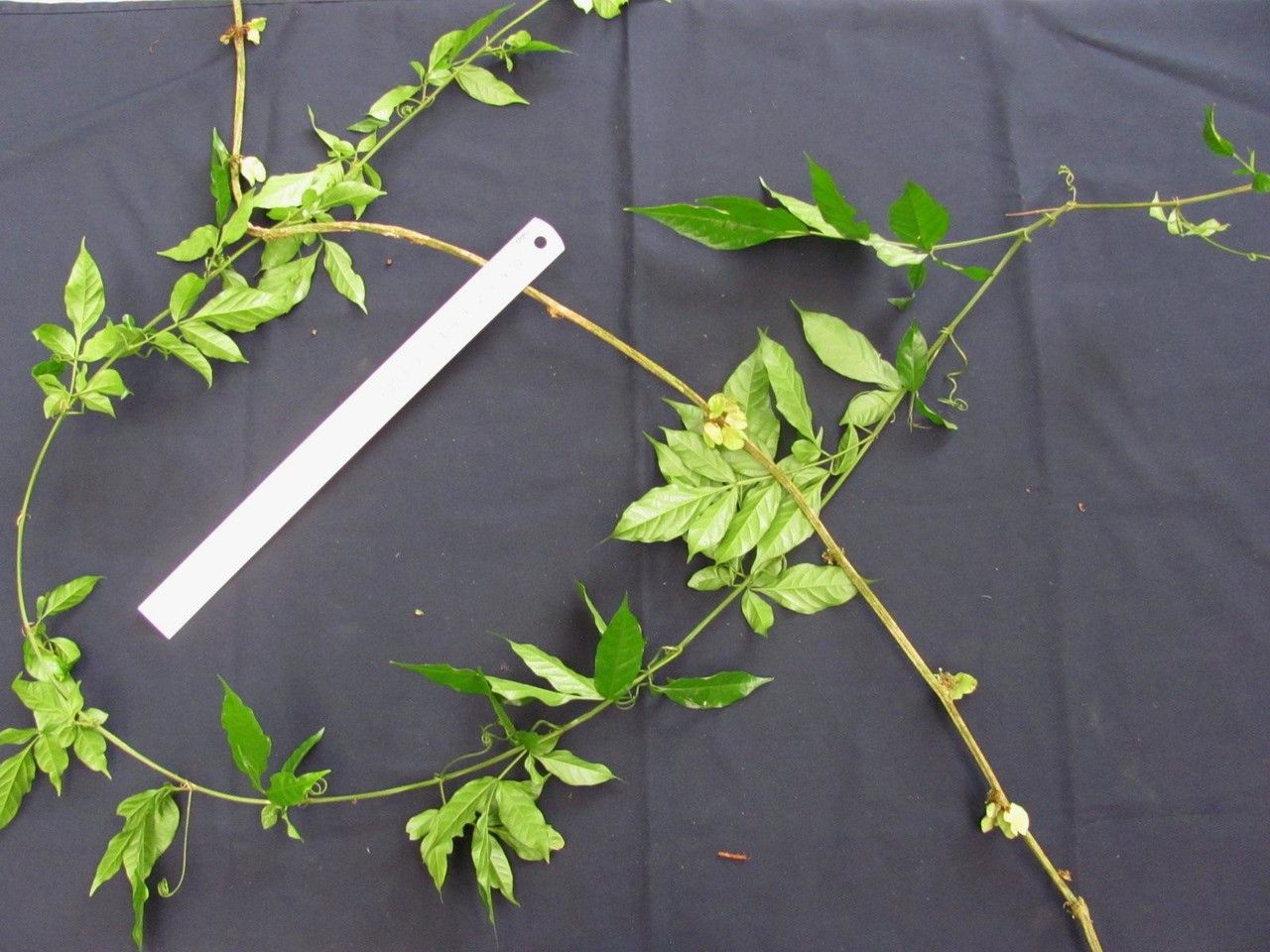
Before diving into propagation, let’s get familiar with our subject. This climbing vine thrives in warm, humid environments, much like its Amazonian home. It boasts attractive, compound leaves and produces small, greenish-white flowers that mature into intriguing clustered fruits. Traditionally, these fruits are used for their saponin content, a natural foaming agent – hence the common name “soap liana.”
Propagation Techniques:
Paullinia mallophylla can be propagated through two primary methods:
1. Seed Propagation:
- Sourcing Seeds: You can collect seeds from mature Paullinia mallophylla fruits or purchase them from reputable online vendors specializing in exotic plants.
- Seed Preparation: The hard seed coat requires scarification to enhance germination. Soak the seeds in warm water for 24 hours, and gently rub them with sandpaper or a file to create a small opening in the outer layer.
- Sowing: Plant the scarified seeds in a well-draining seed-starting mix, keeping them consistently moist but not waterlogged.
- Environment: Provide bottom heat using a seedling mat and cover the tray with a humidity dome or plastic wrap to maintain a warm, humid environment.
- Germination: Be patient! Germination can take anywhere from a few weeks to a couple of months.
2. Stem Cuttings:
- Timing: The best time for taking cuttings is during the plant’s active growing season, typically spring or early summer.
- Selection: Choose healthy stems that are semi-hardwood, meaning they are somewhat flexible but not overly woody.
- Preparation: Cut a 4-6 inch section of stem just below a leaf node. Remove the lower leaves, leaving 2-3 leaves at the top.
- Rooting Hormone (Optional): Dipping the cut end in rooting hormone can increase the success rate, although it’s not mandatory.
- Planting: Insert the cuttings into a well-draining potting mix, burying at least one node below the surface.
- Environment: Maintain humidity by covering the cuttings with a clear plastic bag or a humidity dome. Ensure bright, indirect light and consistent moisture.
Care for Young Plants:
Whether you’ve propagated through seeds or cuttings, young Paullinia mallophylla plants require attentive care:
- Light: Provide bright, indirect light. Avoid direct sunlight, which can scorch the delicate leaves.
- Watering: Water regularly, keeping the soil consistently moist but not waterlogged. Allow the top inch of soil to dry out slightly between waterings.
- Humidity: Maintain humidity levels above 50% by misting regularly or using a humidifier.
- Fertilizer: Feed with a balanced, diluted fertilizer every 4-6 weeks during the growing season.
Propagating Paullinia mallophylla requires patience and a gentle touch, but seeing your efforts blossom into new life is incredibly rewarding. With the right knowledge and a dash of dedication, you can successfully multiply these fascinating plants, adding a touch of the Amazonian rainforest to your own home.