
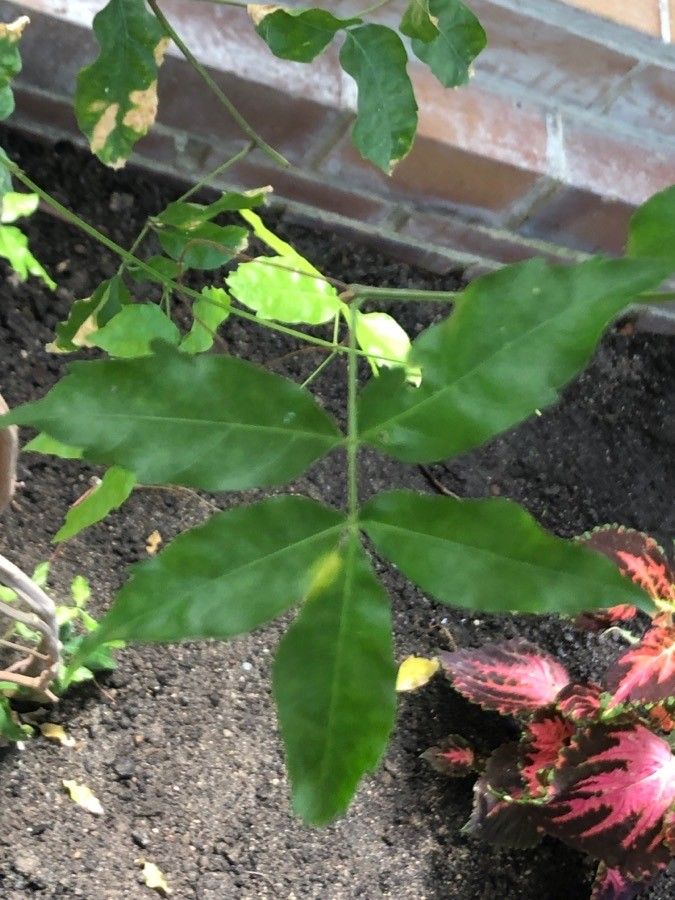
Unlocking the Secrets of the Soapberry Vine: A Guide to Propagating Paullinia rubiginosa
The Soapberry Vine, scientifically known as Paullinia rubiginosa, is a captivating climber with lush foliage and delicate white blossoms. Native to South America, this tropical beauty has found its way into gardens and homes worldwide. And while admiring its cascading growth is a delight, learning to propagate it yourself unlocks a world of possibilities for expanding your green haven.
This guide will explore two common methods for propagating Paullinia rubiginosa:
1. Stem Cuttings:
Propagating from stem cuttings is like giving your plant a head start in life. You’re essentially creating a clone by encouraging a cut piece of the parent plant to develop roots. Here’s how:
- Timing is Key: Spring or early summer, when the plant is actively growing, is the ideal time for taking cuttings.
- Choose Wisely: Select healthy, non-flowering stems about 4-6 inches long. Ideally, these should be semi-hardwood cuttings, meaning they are firm but not completely woody.
- Make the Cut: Using a sharp, sterilized knife or pruning shears, make a clean cut just below a leaf node (where the leaf attaches to the stem).
- Prepare the Cutting: Remove the lower leaves, leaving only a couple at the top.
- Hormone Boost (Optional): Dipping the cut end in rooting hormone can help speed up the process, but it’s not mandatory.
- Plant and Pot: Plant the cutting in a well-draining potting mix, burying a couple of nodes below the soil. Water well and cover with a clear plastic bag or humidity dome to maintain moisture.
- Patience is a Virtue: Place the pot in a warm, bright location but out of direct sunlight. It can take several weeks for roots to develop. Once new growth emerges, you’ll know your cutting has successfully rooted.
2. Seeds:
Propagating Paullinia rubiginosa from seeds requires a bit more patience, but it’s an equally rewarding experience:
- Seed Source: You can harvest seeds from existing plants or purchase them online.
- Scarification (Optional): The seeds have a hard outer shell, so gently nicking it with a file or sandpaper can improve germination rates.
- Soak It Up: Soak the seeds in warm water for 24 hours before planting.
- Sow the Seeds: Plant the seeds about half an inch deep in a seed-starting mix, water gently, and cover with a plastic wrap to create a humid environment.
- Light and Warmth: Place the seed tray in a bright, warm location, but avoid direct sunlight.
- Germination Game: It can take several weeks or even months for seeds to germinate. Be patient and keep the soil consistently moist but not waterlogged.
- Transplant Time: Once the seedlings are a few inches tall and have developed a good root system, they can be carefully transplanted into individual pots.
Care Tips for Your New Propagations:
Regardless of the method you choose, remember to provide consistent care for your new Paullinia rubiginosa plants:
- Bright, Indirect Light: They thrive in well-lit areas with indirect sunlight.
- Moist, Well-Drained Soil: Avoid overwatering, as it can lead to root rot. Allow the soil to dry slightly between waterings.
- Humidity Matters: Being a tropical plant, Paullinia rubiginosa appreciates humidity. Misting the leaves regularly or using a humidifier can help.
- Support Their Climb: Provide them with a trellis, stake, or other support structure to encourage their natural climbing habit.
Propagating Paullinia rubiginosa is a journey of patience and observation. By following these simple steps and adjusting them to your specific environment, you can successfully multiply your collection of this charming and elegant vine. Enjoy the process and embrace the joy of creating new life in your garden!