
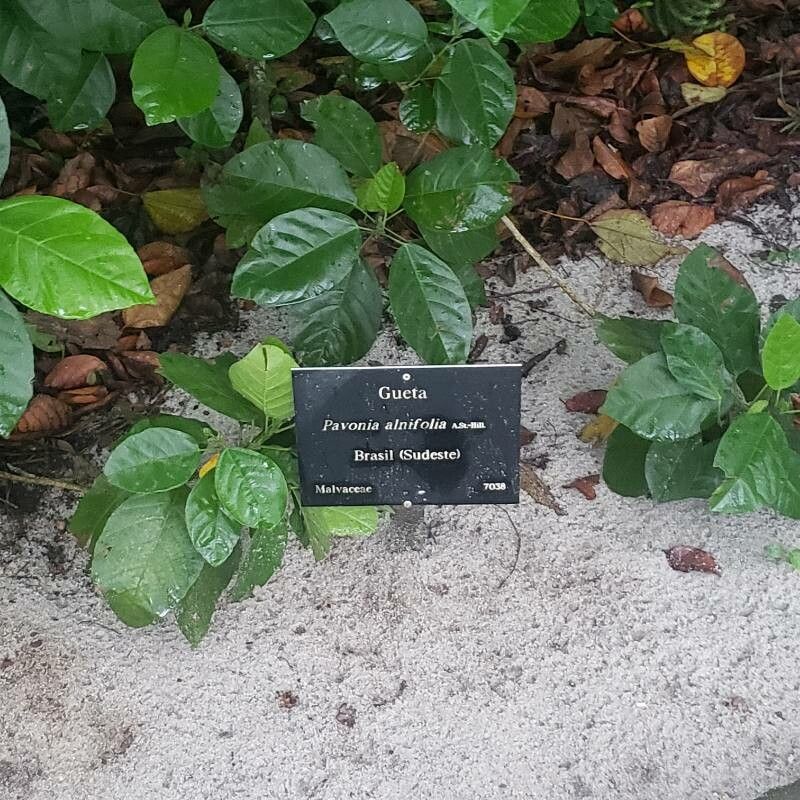
Unveiling the Secrets of Pavonia alnifolia Propagation: From Seed to Success
Pavonia alnifolia, with its captivating hibiscus-like blooms and delicate foliage, is a treasure waiting to be discovered by plant enthusiasts. While not as widely known as some of its botanical cousins, this stunning shrub, native to Australia’s east coast, offers a unique charm to any garden setting. And the best part? Propagating Pavonia alnifolia is an achievable endeavor even for budding green thumbs!
This guide delves into the two primary methods of propagating this beautiful plant – seed starting and taking cuttings.
Method 1: Sowing the Seeds of Success
1. Gathering Seeds:
The key to successful seed propagation lies in obtaining viable seeds. You can collect them directly from mature Pavonia alnifolia plants once the seed pods have dried and turned brown. Look for pods that readily split open, revealing small, dark seeds within.
2. Preparing for Germination:
- Scarification: Pavonia alnifolia seeds benefit from scarification, a process that gently scratches or nicks the seed coat to encourage water absorption and enhance germination rates. Use a nail file to lightly file a small section of the seed coat, taking care not to damage the inner embryo.
- Soaking: Soak the scarified seeds in warm water for 12-24 hours. This further softens the seed coat and kickstarts the germination process.
3. Sowing the Seeds:
- Choosing the Right Medium: Opt for a well-draining seed-starting mix or create your own by combining equal parts peat moss, perlite, and vermiculite.
- Planting Depth: Sow the seeds about ¼ inch deep in the moistened medium.
- Providing Optimal Conditions: Place the seed tray in a warm, brightly lit location, maintaining a consistent temperature of around 70-75°F (21-24°C).
- Patience is Key: Germination can take anywhere from 2 to 6 weeks, so don’t be discouraged if you don’t see sprouts immediately.
4. Transplanting Seedlings:
Once the seedlings develop a few sets of true leaves, it’s time to transplant them into individual pots. Choose a well-draining potting mix and pots with drainage holes to prevent waterlogging.
Method 2: The Art of Taking Cuttings
Propagating Pavonia alnifolia via cuttings offers a quicker route to establishing new plants.
1. Selecting Healthy Cuttings:
Choose healthy, non-flowering stems from a mature plant. The ideal cutting should be around 4-6 inches long and have several leaf nodes.
2. Preparing the Cuttings:
- Using clean, sharp pruning shears, make a diagonal cut just below a leaf node.
- Remove the lower leaves from the cutting, leaving only a few leaves at the top.
3. Encouraging Root Development:
- Rooting Hormone (Optional): Dipping the cut end in rooting hormone powder can encourage faster and more robust root development.
- Planting the Cutting: Plant the cutting in a pot filled with a well-draining rooting medium, such as a mixture of perlite and peat moss.
- Creating a Humid Environment: Cover the pot with a clear plastic bag or a propagation dome to create a humid environment, essential for root development.
4. Nurturing the Cuttings:
- Keep the rooting medium consistently moist but avoid overwatering.
- Provide bright, indirect light and maintain temperatures around 70-75°F (21-24°C).
5. Transplanting Rooted Cuttings:
Within 4-6 weeks, your cuttings should develop a healthy root system. Once the roots have established, carefully transplant each cutting into a pot with well-draining potting mix.
Caring for Your New Pavonia alnifolia Plants
Regardless of your chosen propagation method, your Pavonia alnifolia will flourish with the right care. Provide them with:
- Well-Draining Soil: This is crucial to prevent root rot.
- Bright, Indirect Light: They enjoy plenty of sunlight, but direct, intense rays can scorch their leaves.
- Regular Watering: Water thoroughly when the topsoil feels dry to the touch.
- Periodic Fertilization: Feed your plants with a balanced fertilizer during the growing season.
With a little patience and care, you can successfully propagate Pavonia alnifolia and enjoy the beauty of these captivating plants in your own garden. So why wait? Start your propagation journey today and witness the enchanting transformation from seed to success!