
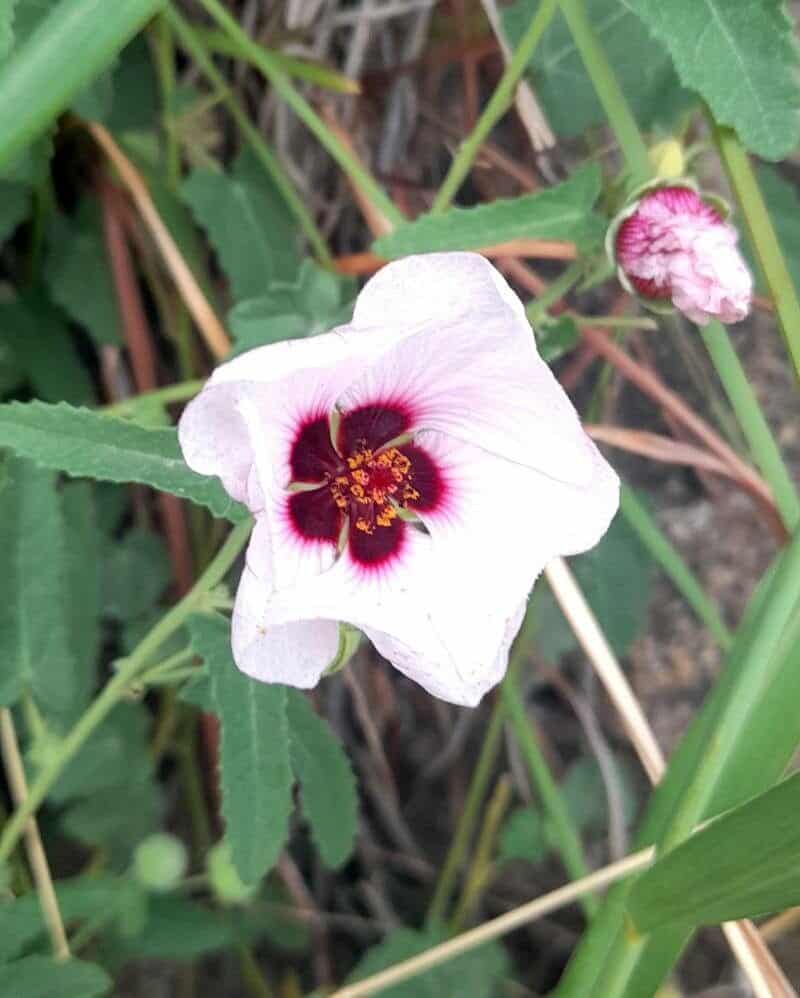
Unlocking the Secrets of the Brazilian Candles: A Guide to Propagating Pavonia aurigloba
The Pavonia aurigloba, affectionately known as the "Brazilian Candles," captivates with its vibrant red-orange blooms that resemble tiny, gracefully drooping lanterns. Native to the sunny savannas of South America, this evergreen shrub brings a touch of tropical charm to any garden or home. But how can you share this captivating beauty with others, or simply multiply its presence in your own space? Let’s unravel the secrets of propagating Pavonia aurigloba!
Two Paths to Success: Seed vs. Cuttings
There are two primary methods to propagate these beauties:
1. Seed Propagation: Embracing the Element of Surprise
While finding Pavonia aurigloba seeds can be a quest in itself, it’s a rewarding adventure for those who love surprises! The plant doesn’t readily produce seeds, but with patience, you might discover some hiding within the spent flowers.
- Timing is Key: Sow seeds in early spring when temperatures are consistently warm.
- Soil Savvy: A well-draining seed-starting mix is crucial for success.
- Light and Humidity: Provide bright, indirect light and maintain consistent moisture without making the soil soggy.
- Patience, Young Padawan: Germination can take several weeks.
Pros:
- Potentially more cost-effective if you can source seeds.
- Offers the excitement of witnessing a plant’s journey from the very beginning.
Cons:
- Seeds can be challenging to find.
- Germination rates can be unpredictable.
2. Cuttings: A Quicker Path to Blossoming Beauty
For a faster and more reliable approach, propagate Pavonia aurigloba through cuttings.
- Timing Matters: Spring or early summer, when the plant is actively growing, yields the best results.
- Choose Wisely: Select healthy, non-flowering stems that are about 4-6 inches long.
- Preparation is Key: Remove the lower leaves to prevent rotting, leaving 2-3 leaves at the top.
- Rooting Hormone – Your Secret Weapon: Dipping the cut end in rooting hormone significantly increases success rates.
- A Cozy Home: Plant the cuttings in a well-draining potting mix and keep the soil consistently moist.
- Indirect Sunlight Please: Place them in a location with bright, indirect light.
Pros:
- A faster propagation method compared to seeds.
- Higher success rates, especially with rooting hormone.
- The new plant will be identical to the parent plant.
Cons:
- Requires access to a healthy parent plant for taking cuttings.
Caring for Your New Propagations: Nurturing Little Candles
Regardless of your chosen propagation method, once your new Pavonia aurigloba plants establish roots and show signs of new growth, it’s time to provide them with the right care:
- Well-Drained Soil: These tropical beauties despise soggy roots.
- Light Lovers: Bright, indirect light is ideal for vibrant blooms.
- Regular Watering: Keep the soil consistently moist, but not waterlogged.
- Feeding Time: Fertilize lightly every 4-6 weeks during the growing season with a balanced fertilizer.
Propagation: Sharing the Joy of Brazilian Candles
Propagating Pavonia aurigloba might seem like a botanical puzzle at first, but with a touch of knowledge and patience, you can successfully multiply these dazzling blooms. Whether you choose the element of surprise with seeds or the quicker route of cuttings, remember to shower your new plants with proper care, and soon, you’ll be sharing the joy of Brazilian Candles with fellow plant enthusiasts!