
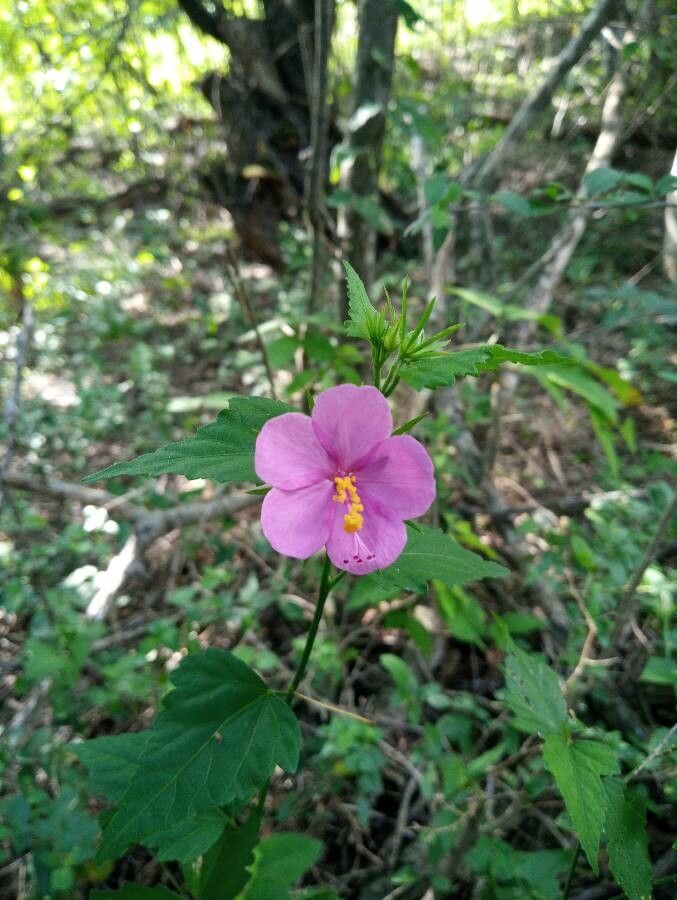
Blooming Beauty, Twice the Fun: Propagating Your Pavonia Lasiopetala
The Pavonia lasiopetala, more affectionately known as the Texas Rock Rose or Wright’s Pavonia, is a sight to behold. This vibrant plant, native to Texas and surrounding states, enchants with its showy, hibiscus-like blooms in shades of rich pink and rose. But the beauty of the Pavonia lasiopetala doesn’t stop there; this resilient plant is surprisingly easy to propagate, allowing you to multiply your floral abundance with minimal effort.
So, are you ready to expand your garden with a flurry of these charming blossoms? Let’s explore the two main methods for propagating Pavonia lasiopetala:
1. Seed Starting: A Dance with Patience
While Pavonia lasiopetala readily reseeds itself in the garden, giving the illusion of a perennial, you can take a more proactive approach by collecting and sowing the seeds yourself. Here’s how:
- Seed Collection: Keep a watchful eye on fading flowers. As the blooms wither, small capsules containing the seeds will emerge. Once these capsules turn brown and dry, they’re ready for collection. Gently break them open to reveal the small, brown seeds within.
- Sowing: These seeds are best sown directly outdoors after the last frost, mimicking their natural cycle. Choose a well-drained location with full sun to partial shade. Sprinkle the seeds on the surface and lightly rake them into the soil.
- Germination: Patience is key here. Germination can take anywhere from a few weeks to a couple of months. Keep the soil consistently moist but not waterlogged.
2. Cuttings: The Quicker Route to Blooms
If you’re eager for quicker results and want to ensure identical plant characteristics, propagating from cuttings is the way to go. This method takes advantage of the plant’s ability to develop roots from stem segments:
- Timing is Everything: Early morning, when the plant is most hydrated, is the ideal time to take cuttings.
- Choose Wisely: Select healthy stems that are actively growing but not yet flowering. Use a sharp, sterilized knife or pair of pruning shears to take cuttings that are about 4-6 inches long.
- Prepare for Success: Remove the lower leaves from the cutting, leaving only a few at the top. Dip the cut end in rooting hormone powder (optional but recommended) to encourage faster root development.
- Planting: Plant the cuttings in a well-draining potting mix, burying the bottom node (where the leaves were removed).
- Create a Humid Environment: Maintain humidity around the cuttings by covering the pot with a clear plastic bag or using a propagation dome. Place the pot in a bright location but out of direct sunlight.
- Rooting and Transplanting: With proper care, roots should develop in a few weeks. Once the cuttings show new growth, you can transplant them into individual pots or your garden bed.
Caring for Your New Pavonia Lasiopetala
Whether you choose to propagate through seeds or cuttings, your new Pavonia lasiopetala plants will thrive with minimal care:
- Sunlight: Aim for 6-8 hours of sunlight per day. While they tolerate partial shade, more sun equals more blooms!
- Watering: Water deeply but infrequently, allowing the soil to dry out slightly between waterings. These plants are relatively drought-tolerant once established.
- Soil: Well-draining soil is crucial to prevent root rot. Amending your garden bed with compost or using a well-draining potting mix is recommended.
By mastering these simple propagation techniques, you can share the vibrant beauty of the Pavonia lasiopetala with friends, expand your own garden, and enjoy a stunning display of these charming Texas natives year after year. Happy propagating!