
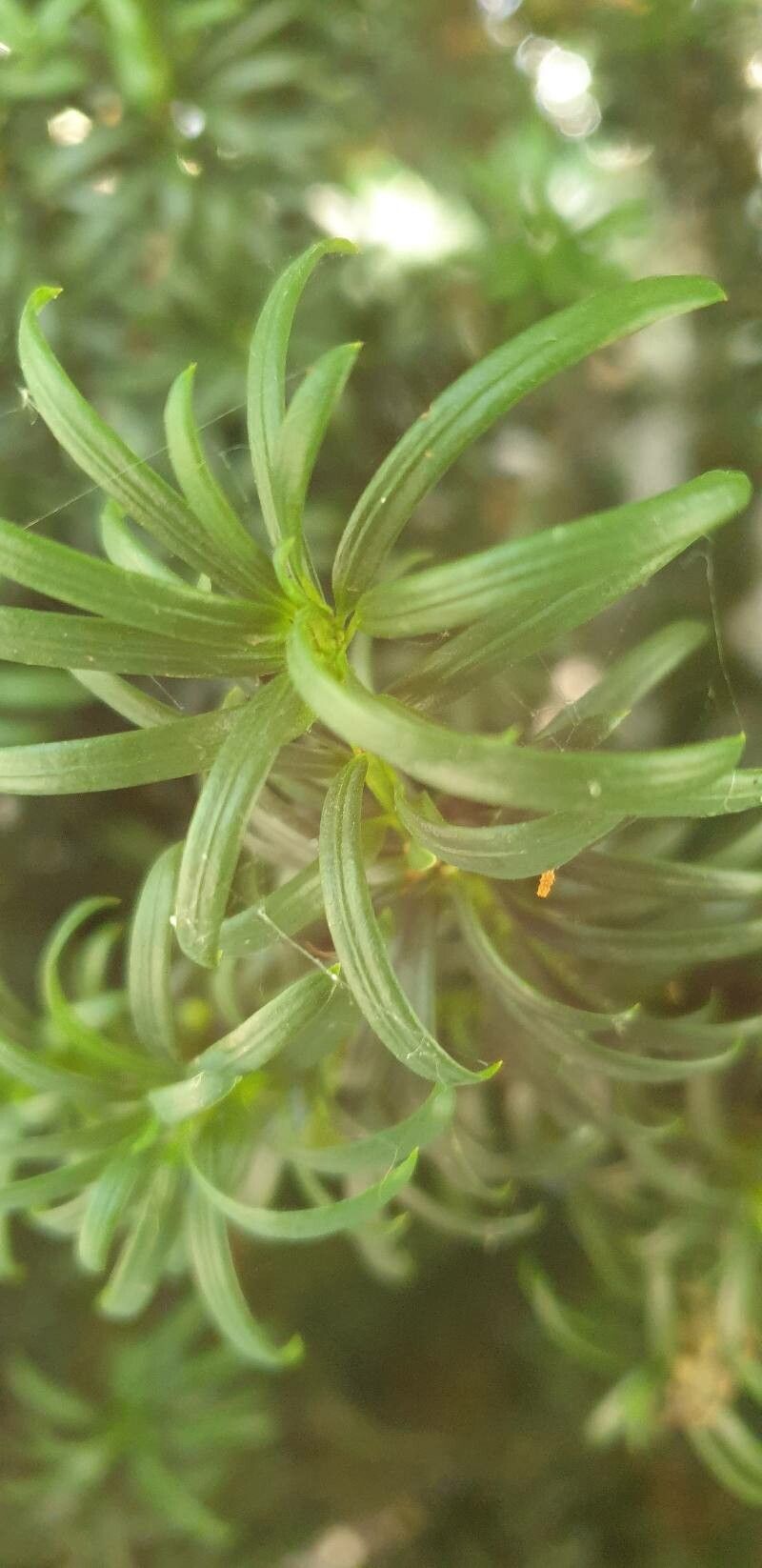
Taming the Wild: How to Propagate the Charming Pectis Elongata
Pectis elongata, also known as the “Longstem Chinchweed” might not be a household name, but this charming little wildflower deserves a spot in any sunny garden. Native to the Southern United States, Pectis elongata captivates with its delicate foliage and cheerful yellow blooms. While you might stumble upon it during a hike in its natural habitat, bringing this beauty home is easier than you think. Let’s dive into the world of propagating Pectis elongata, and learn how you can welcome its sunshine-like presence into your garden.
Two Paths to Propagation: Seeds vs. Cuttings
Luckily, Pectis elongata is a relatively easy plant to reproduce. You have two main options:
Seeds: The most common (and arguably the most rewarding) method, starting from seed allows you to witness the entire life cycle of your Pectis elongata. Plus, it provides the opportunity to grow a larger number of plants.
- Cuttings: This method offers a quicker route to established plants. It’s ideal if you want to replicate the exact characteristics of a particular plant, maybe one with an exceptionally bushy habit or vibrant blooms.
Let’s Get Our Hands Dirty: Step-by-Step Guide
Propagation from Seed:
- Obtain Your Seeds: You can collect seeds from existing Pectis elongata plants in the wild (always ensuring you have permission and are not disturbing protected areas) or purchase them from reputable online sellers specializing in native plants.
- Prep Your Seed Starting Mix: Pectis elongata prefers well-draining soil. Create a mix using equal parts potting soil, perlite, and coarse sand.
- Sow Your Seeds: Sprinkle the seeds over the surface of the prepared mix and lightly press them down. Don’t bury them; they need light to germinate.
- Water Gently and Consistently: Keep the soil lightly moist, but avoid overwatering, which can lead to seed rot.
- Provide Warmth and Light: Place your seed tray in a warm, sunny location. A south-facing windowsill or under grow lights works perfectly.
- Be Patient: Germination can take anywhere from 1 to 3 weeks, depending on the conditions.
- Thinning Out: Once the seedlings develop a few sets of true leaves, thin them out to give the strongest ones space to thrive.
Propagation from Cuttings:
- Timing is key: Take cuttings during the active growing season, ideally in spring or early summer.
- Select Healthy Stems: Choose non-flowering stems that are about 3-4 inches long.
- Make the Cut: Using a clean, sharp knife or pruning shears, cut just below a node (the point where a leaf attaches to the stem).
- Prepare the Cutting: Remove the lower leaves, leaving only a couple at the top.
- Hormone Treatment (Optional): Dipping the cut end in rooting hormone can encourage faster root development, though it’s not mandatory.
- Plant Your Cuttings: Insert the prepared cuttings into a well-draining potting mix (similar to your seed starting mix) and gently firm the soil around the base.
- Keep the Environment Humid: Cover the pot with a plastic bag or use a propagation dome to create a greenhouse-like atmosphere.
- Patience (Again!): Rooting can take several weeks. You’ll know it’s successful when you see new growth.
Nurturing Your Pectis Elongata:
Whether you choose seeds or cuttings, once your Pectis elongata plants are established, they are relatively low-maintenance. They thrive in full sun and well-drained soil. Water regularly, allowing the soil to dry out slightly between watering. Deadhead spent flowers to encourage continuous blooming throughout the season.
Propagating your own Pectis elongata is a rewarding experience. Not only does it allow you to expand your garden with this charming wildflower, but it brings a piece of natural beauty into your life, reminding you of the simple joys nature has to offer.