
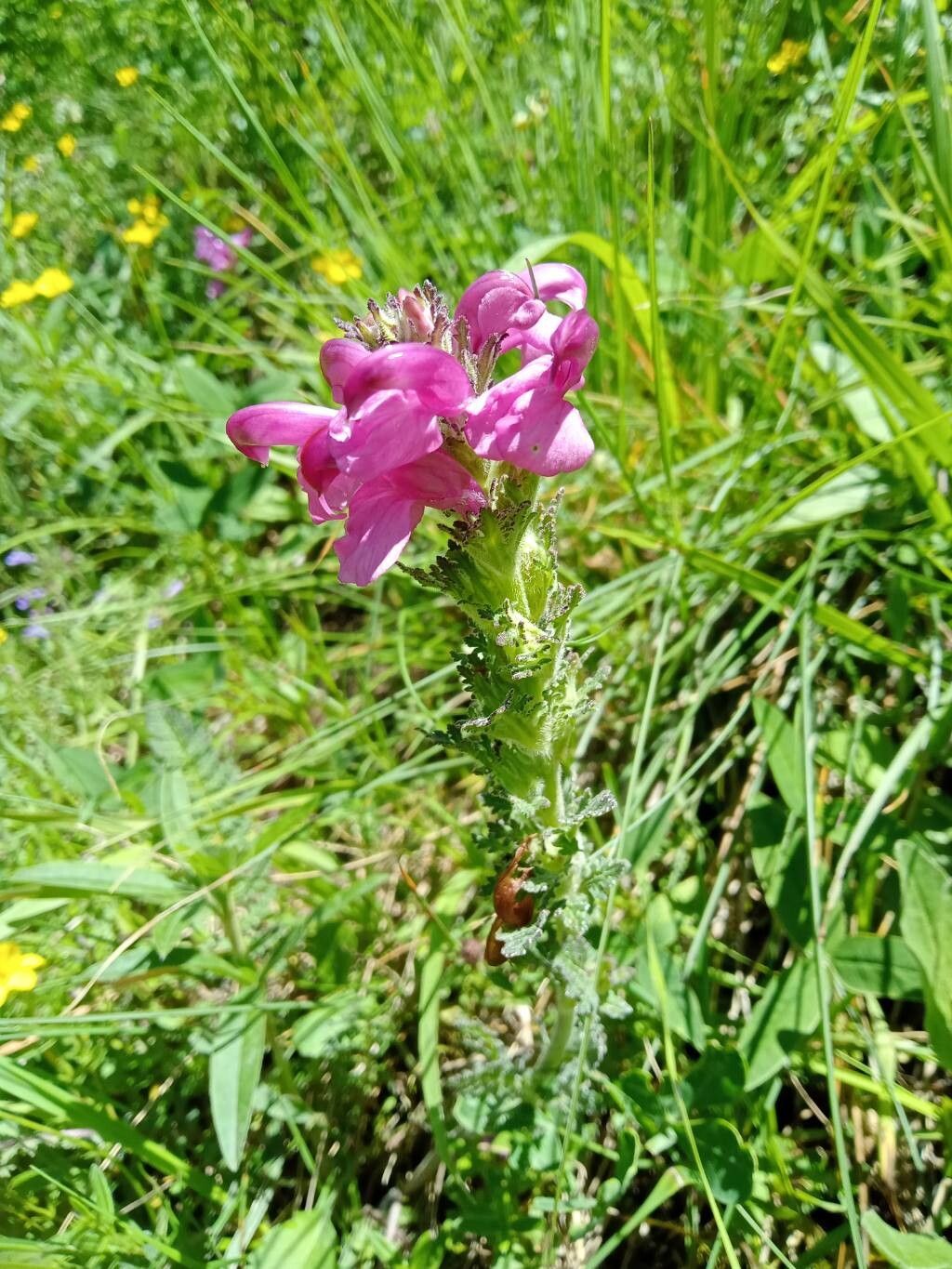
Taming the Twisted Flower: Propagation Tips for the Unique Pedicularis gyroflexa
The world of plants is full of fascinating surprises, and Pedicularis gyroflexa, commonly known as the “Twisted Flower,” is no exception. This alpine beauty, with its uniquely coiled flower head resembling a ram’s horn, is a sight to behold. Native to the mountainous regions of Europe, it’s a captivating addition to rock gardens or alpine troughs for those seeking something out of the ordinary. However, cultivating this intriguing species can be a rewarding challenge. Let’s delve into the intricacies of propagating Pedicularis gyroflexa:
Understanding the Challenge:
Before we dig in, it’s essential to understand that Pedicularis gyroflexa, like many alpine plants, is a hemiparasite. This means it obtains a portion of its nutrients by tapping into the roots of nearby plants, making it crucial to choose companion plants carefully if planting outdoors. In a garden setting, suitable companions include grasses and sedges.
Propagation Methods:
- Patience is key: Seeds of P. gyroflexa often exhibit dormancy and may require a period of cold stratification to break it.
- Sowing: Sow seeds in late winter or early spring in a well-draining seed starting mix. Surface sow, as light can aid germination.
- Cold Stratification: For optimal results, place the seed tray in a refrigerator (around 4°C) for 4-6 weeks before moving it to a bright, cool location for germination.
- Germination Time: Be patient – germination can be erratic and may take several weeks to several months.
Root Cuttings:
- Timing: This method is best undertaken in late fall or early spring.
- Selection: Carefully select healthy, mature roots from an established plant.
- Procedure: Cut root sections about 2-3 inches long and place them horizontally in a tray filled with a well-draining, moist medium.
- Care: Keep the tray in a cool, shaded location and maintain consistent moisture.
Essential Growing Conditions:
- Well-Draining Soil: P. gyroflexa is susceptible to root rot, making excellent drainage paramount.
- Light: Provide partial shade, mimicking its natural environment under the canopy of other plants.
- Moisture: Maintain consistent moisture but avoid overwatering.
- Companion Planting: Remember its hemiparasitic nature and plant it near suitable host plants like grasses or sedges.
A Rewarding Endeavor:
Propagating Pedicularis gyroflexa requires patience, dedication, and a bit of green-thumb finesse. However, the reward of seeing this unique alpine gem thrive in your garden, gracing your space with its twisted blooms, makes the challenge well worthwhile. Whether you’re an experienced gardener or a curious beginner, the intriguing Pedicularis gyroflexa offers a unique and fulfilling horticultural adventure.