
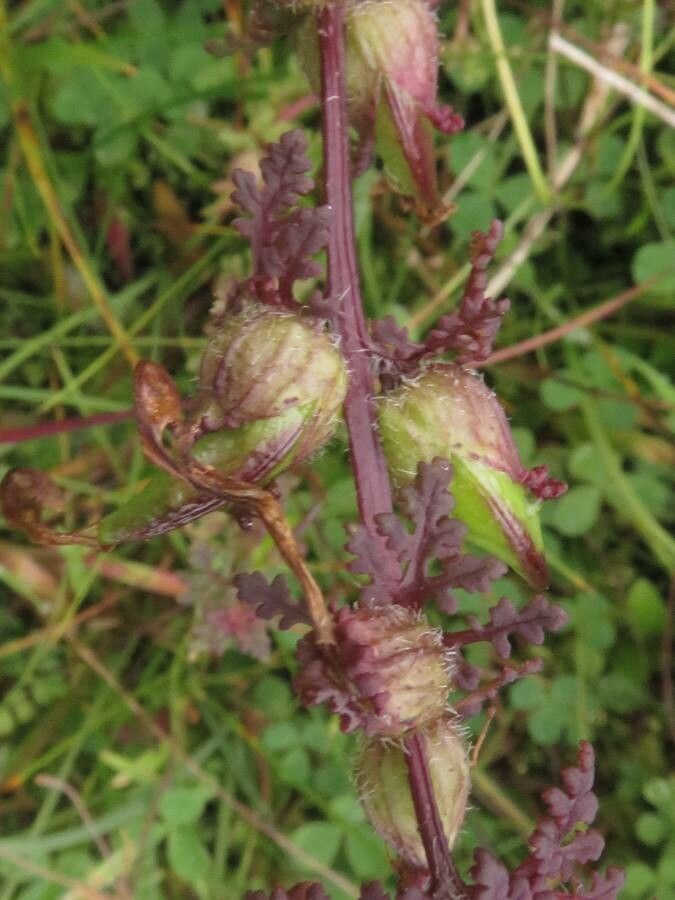
Marsh Lousewort: How to Spread the Beauty (and the Bugs)
The Marsh Lousewort, Pedicularis palustris, is a striking plant with vibrant pink, purple, or white flowers that rise above lush green foliage. But beyond its beauty, this fascinating species has a fascinating secret: it’s a hemiparasite! While able to produce its own food through photosynthesis, this plant also taps into the roots of nearby plants to supplement its diet.
This unusual trait adds a touch of intrigue to the Marsh Lousewort, but it also makes propagation a bit more complex than your typical garden flower. Let’s delve into the world of Marsh Lousewort propagation and uncover the best ways to share its unique charm.
Choosing the Right Method:
Unlike many plants, propagation through seeds is generally the most reliable method for the Marsh Lousewort. Here’s why:
- Seed Dependence: The plant’s semi-parasitic nature makes it difficult to establish through cuttings. Rooted cuttings often struggle to develop the necessary connections to host plants.
- Seed Viability: Seeds collected from mature plants offer a good chance of successful germination.
The Art of Seed Collection:
- Timing is Key: The best time to gather seeds is after the flower stalks have withered but before the seed pods become too dry. The pods will appear brown and slightly wrinkled.
- Gentle Harvesting: Carefully snip the seed pods from the plant and place them in a paper bag or air-tight container. Avoid squeezing or crushing the pods as this can damage the seeds.
- Drying and Storage: Allow the seed pods to dry completely in a cool, dark, and well-ventilated area. This can take a few weeks. Once dry, you can store the seeds in a cool, dry, and dark place such as a refrigerator for several months before sowing.
Sowing Seeds for Success:
- Preparation is Paramount: Marsh Lousewort prefers moist, acidic soils. Prepare a seed tray filled with a peat-based seed starting mix and add a sprinkle of horticultural grit for drainage.
- Surface Sowing: Sprinkle the seeds evenly across the surface of the soil and lightly cover them with a thin layer of the seed starting mix – no more than 1/8 inch deep.
- Don’t Forget the Water: Mist the seed tray thoroughly with water and make sure the soil remains consistently moist, but not waterlogged.
- Embrace the Patience: Seed germination can take several weeks, sometimes even months. Keep the seed tray in a bright, cool location and be patient!
Transplanting to the Garden:
- Timing is Crucial: Once seedlings have developed a few true leaves, they’re ready for transplanting. Wait until the last frost has passed and the weather is consistently warm.
- Choosing the Right Spot: Marsh Lousewort thrives in damp, boggy conditions. Choose a spot in your garden with full sun or partial shade. If you’re not fortunate to have a boggy area, choose a spot near a pond or stream, or consider planting them in a container with a water-retaining mix.
- Planting Process: Prepare the planting site by digging a hole that’s slightly larger than the seedling’s root ball. Carefully transplant the seedling, gently spreading its roots. Water the seedling thoroughly afterwards and provide consistent moisture for the first few weeks.
- Host Plants: If the Marsh Lousewort is struggling to thrive, introducing a suitable host plant like grasses or sedges can help it thrive. The host plant should preferably be a species that grows relatively quickly and can tolerate the same conditions as the Marsh Lousewort.
Additional Tips for Success:
- Protection From Pests: Keep an eye out for slugs and snails, which can easily damage young plants. Use organic pest control methods if necessary.
- Regular Watering: The Marsh Lousewort is a thirsty plant, so ensure consistent moisture by regular watering.
- Deadheading: Removing spent blooms can encourage the plant to produce fresh flowers and prevent self-seeding.
By following these guidelines, you’ll be well on your way to sharing the captivating beauty of the Marsh Lousewort with your own garden. Just be sure to keep in mind its unique parasitic nature, and help it find a compatible host plant to ensure its happy growth!