
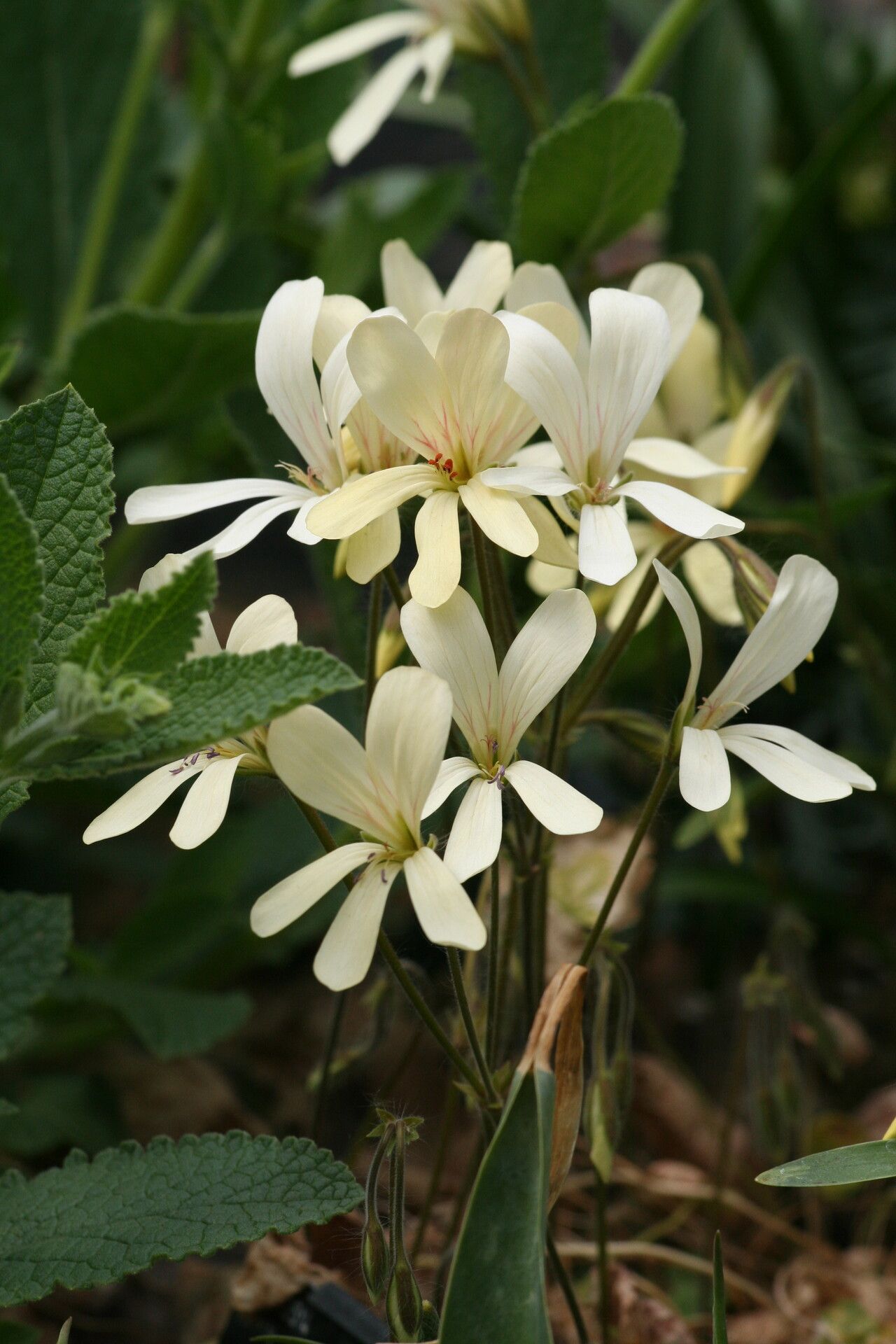
Unveiling the Secrets: Propagating the Unique Pelargonium Articulatum
The world of succulents is a diverse one, full of intriguing shapes and textures. One such character, the Pelargonium articulatum, stands out with its knobby, bonsai-like stems and delicate white blooms. Also known as the “Rooted Storksbill”, this South African native is a captivating addition to any succulent collection. And the best part? Propagating it is an adventure you can easily embark on!
Understanding the “Rooted” Truth:
Before we dive into propagation, let’s understand what makes Pelargonium articulatum unique. Unlike many succulents, it forms a large, tuberous root system that resembles a miniature bonsai trunk. These roots are not only aesthetically pleasing but also crucial for the plant’s survival in its arid natural habitat.
This unique characteristic also influences the way we propagate this beauty. While cuttings are possible, propagating from seed or dividing larger plants are more reliable methods.
Method 1: Sowing the Seeds of Success
Propagating Pelargonium articulatum from seed is a rewarding experience, allowing you to witness the plant’s entire life cycle. Here’s how:
- Source your seeds: Reputable online sellers or specialist nurseries are your best bet.
- Prepare a well-draining mix: Combine equal parts potting soil, perlite, and coarse sand.
- Sow the seeds: Scatter them on the surface and lightly press them down. Do not bury them.
- Mist and cover: Lightly mist the soil with water and cover the container with a plastic dome or wrap to create a humid environment.
- Place in bright, indirect light: Avoid direct sunlight as it can scorch the delicate seedlings.
- Be patient: Germination can take anywhere from a few weeks to a couple of months.
- Thin out seedlings: Once the seedlings have a few true leaves, thin them out to give the strongest ones more space.
Method 2: Division: Separating for Multiplication
Division is ideal for mature plants with multiple stems emerging from the base. Here’s a step-by-step guide:
- Choose the right time: Early spring, when the plant is beginning its active growth period, is perfect for division.
- Carefully unpot the plant: Gently loosen the soil around the roots and lift the plant.
- Identify division points: Look for natural divisions where the stems branch off with their own root system.
- Separate the stems: Use a clean, sharp knife or shears to carefully separate the plant at the chosen points.
- Pot the divisions: Plant each division in a well-draining potting mix, ensuring the tuberous root sits just below the soil surface.
- Water sparingly: Allow the soil to dry out completely between waterings, as overwatering can lead to root rot.
Caring for Your Propagated Gems:
Whether you choose seeds or divisions, caring for your new Pelargonium articulatum plants is crucial. Provide them with bright, indirect light, well-draining soil, and allow the soil to dry out completely between waterings.
With patience and proper care, you’ll soon be enjoying the unique beauty of this fascinating succulent in multiples, adding a touch of the South African desert to your home.