
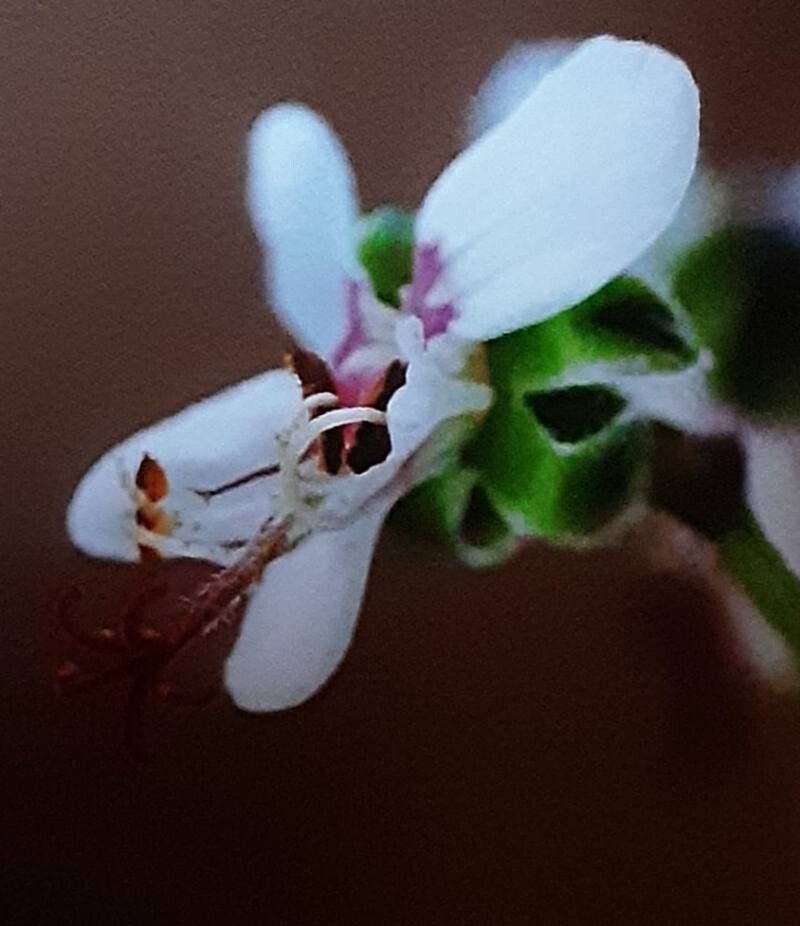
Propagating Pelargonium carnosum: The Challenges and Rewards of Growing the "Fragrant Pelargonium"
Pelargonium carnosum, commonly known as the fragrant pelargonium (although many pelargoniums are fragrant), is a succulent-like shrub appreciated for its attractive, fleshy leaves and incredibly sweet, spicy fragrance. Its trailing habit makes it a popular choice for hanging baskets, window boxes, and rock gardens. While readily available commercially, propagating Pelargonium carnosum offers a rewarding challenge for the dedicated gardener. Its unique characteristics, however, present unique obstacles for several common propagation methods.
Seed Germination:
Currently, there are no known reliable methods for seed germination propagation of Pelargonium carnosum. While the plant does produce seed, germination rates are reportedly extremely low, making this method impractical for most home gardeners.
Cuttings:
Cuttings represent the most reliable method for propagating Pelargonium carnosum.
Challenges: While relatively straightforward, success hinges on proper technique. Using overly-soft or diseased cuttings can lead to rot. Insufficient rooting hormone can hamper root development, while improper humidity levels might cause desiccation.
Practical Tips: Take semi-hardwood cuttings in spring or summer from healthy, non-flowering stems. Remove the lower leaves and dip the cut end in rooting hormone powder. Plant the cuttings in well-draining propagation mix (e.g., a mix of peat moss and perlite) and maintain high humidity using a propagator or plastic bag. Ensure good air circulation to prevent fungal diseases. Rooting typically takes several weeks.
Rewards: Cuttings are a relatively quick and efficient method guaranteeing a true-to-type plant, preserving the desirable characteristics of the mother plant.
Division:
Division is a viable option, particularly when dealing with established, larger plants.
Challenges: Unlike some easily-divided plants, Pelargonium carnosum doesn’t readily produce many offsets or readily separable sections. Overly aggressive division can damage both the parent plant and the divisions. Improper handling can lead to root damage and failure to establish.
Practical Tips: Carefully extract the plant from its pot, gently separating the root system into smaller sections, ensuring each division has some healthy roots and foliage. Repot each division in well-draining potting mix. Handle the roots gently to minimize shock.
Rewards: Division offers a quick way to increase the number of plants, but should only be attempted on reasonably mature plants.
Tissue Culture:
Tissue culture offers the potential for large-scale propagation and disease-free plantlets.
Challenges: Tissue culture requires specialized equipment, sterile conditions, and expertise in laboratory techniques. This method is not easily accessible to the average home gardener and necessitates specialized knowledge and a considerably greater financial investment to establish.
Practical Tips: This method would involve establishing sterile explants (small tissue samples) in a nutrient-rich culture medium under controlled conditions. This is best left to commercial nurseries or specialized laboratories.
Rewards: Mass production of genetically uniform plants, rapid multiplication, and disease elimination.
Conclusion:
Propagating Pelargonium carnosum presents unique challenges across various methods. While seed germination is not currently viable, cuttings offer the most accessible and reliable approach for home gardeners. Division is a possibility for established plants, but care must be taken. Tissue culture is a viable solution for large-scale propagation, but necessitates specialized expertise and resources. Despite the difficulties, the satisfaction of nurturing a cutting into a thriving, fragrant plant, brimming with its distinctive aroma, is profoundly rewarding. The patience and attention to detail required to successfully propagate Pelargonium carnosum add to the fulfillment of cultivating this unique and fragrant addition to any garden. This journey, filled with both setbacks and triumphs, highlights the art of plant propagation and the appreciation for nature’s resilience. Don’t be discouraged by initial difficulties; the success of even propagating one healthy cutting truly showcases gardening mastery.