
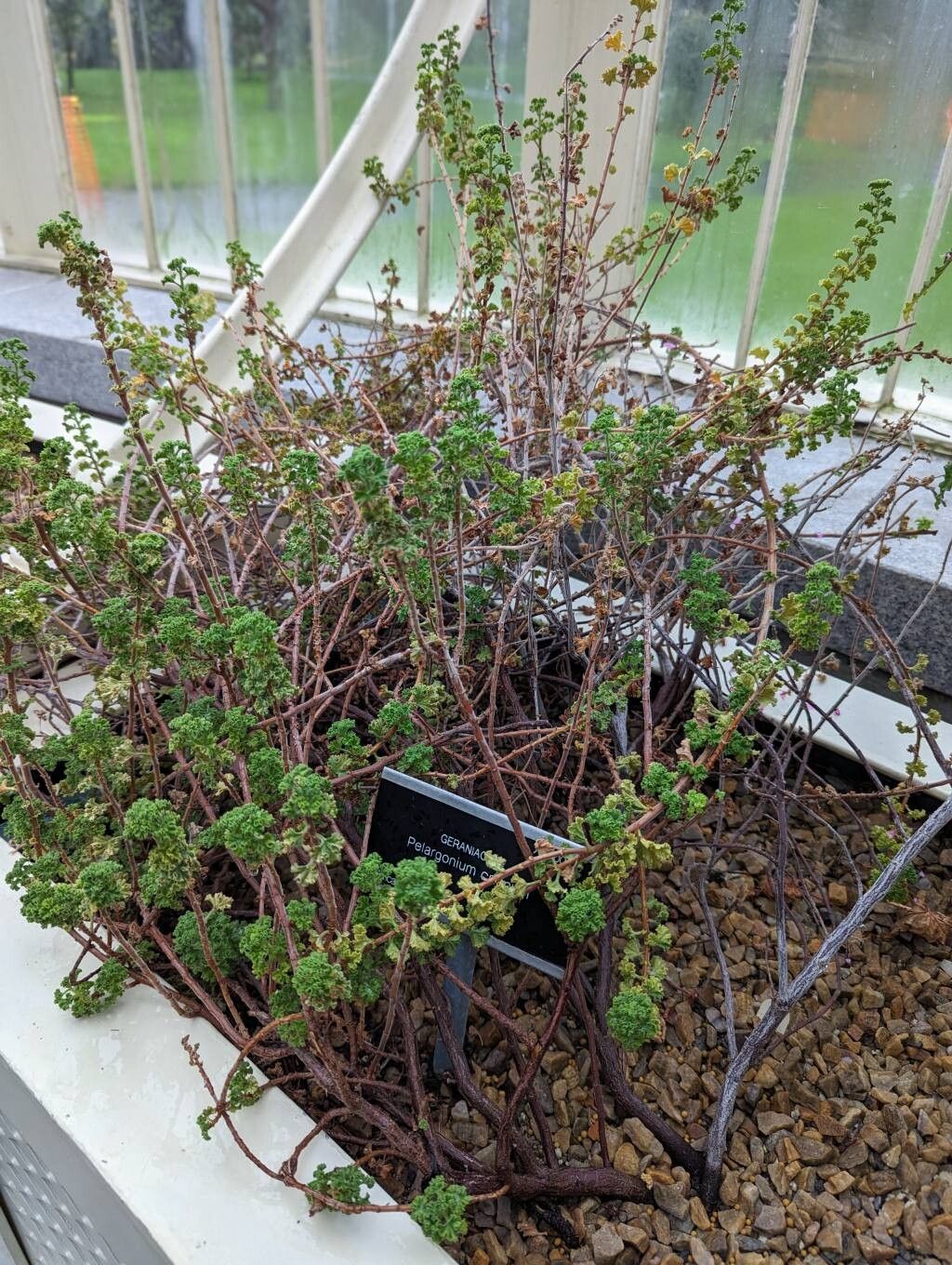
Propagating the Fragrant Delight: A Guide to Growing Pelargonium crispum
Pelargonium crispum, commonly known as the “crisped-leaved pelargonium” or “sweet-scented pelargonium,” is a cherished plant among gardeners for its intensely fragrant, often lemon-scented, foliage and delicate, usually white or pale pink, flowers. Its deeply textured, crisped leaves are a beautiful feature in themselves, making it a desirable addition to window boxes, hanging baskets, and borders. However, its propagation can present unique challenges. This article explores various methods, weighing their viability and offering practical advice for successful cultivation.
Seed Germination:
Currently, there are no known reliable methods for seed germination propagation of Pelargonium crispum. While Pelargonium seeds are generally viable, P. crispum seeds are notoriously difficult to germinate, with low success rates even under optimal conditions. This is likely due to a combination of factors including hard seed coats and the plant’s preference for specific environmental conditions. Attempting seed propagation for this species is generally not recommended.
Cuttings:
This is by far the most reliable and commonly used method for propagating Pelargonium crispum.
- Challenges: While relatively straightforward, success depends on proper technique and sanitation to avoid rot. The ideal time for taking cuttings is during spring or summer when the plant is actively growing.
- Practical Tips: Take semi-hardwood cuttings, approximately 4-6 inches long, from healthy stems. Remove lower leaves to prevent rot and dip the cut end in rooting hormone. Plant the cuttings in a well-draining potting mix (e.g., a mix of peat moss, perlite, and vermiculite). Keep the cuttings moist but not waterlogged, and provide bright, indirect light. Rooting typically takes 4-6 weeks. Misting regularly can help maintain humidity.
- Rewards: Cuttings readily produce genetically identical plants, preserving desirable traits. This method is efficient for small-scale propagation, multiplying your existing stock quickly and easily.
Division:
Division is rarely practiced for Pelargonium crispum as it doesn’t naturally produce readily separable clumps like some other Pelargonium species. Its root system is not typically conducive to simple separation. Therefore, this method is not recommended.
Tissue Culture:
Tissue culture offers the potential for large-scale propagation of Pelargonium crispum, overcoming many of the challenges associated with seed and cutting propagation.
- Challenges: Tissue culture requires specialized equipment, a sterile environment, and a good understanding of plant tissue culture techniques. It’s more complex and expensive than cutting propagation.
- Practical Tips: This method is best left to professionals or experienced hobbyists with access to the necessary laboratory equipment and expertise. It involves sterilizing plant material, placing it on a nutrient-rich agar medium, and maintaining aseptic conditions.
- Rewards: High multiplication rates are possible, facilitating mass propagation and potentially offering disease-free plants. Allows for rapid production of many genetically identical plants.
Conclusion:
Propagating Pelargonium crispum presents a unique set of challenges. While seed germination is impractical, cuttings provide the most accessible and reliable method for the average gardener. Tissue culture offers a highly efficient alternative for large-scale propagation, but its complexity makes it unsuitable for most home propagators. The rewards of successfully cultivating this sweetly scented beauty, however, are well worth the effort. The fragrant leaves and delicate flowers provide a delightful sensory experience, and the accomplishment of propagating this charming plant adds a layer of personal satisfaction to the gardening journey. For aspiring propagators, start with cuttings; master this technique, and you’ll be enjoying the unique fragrance of Pelargonium crispum for years to come.