
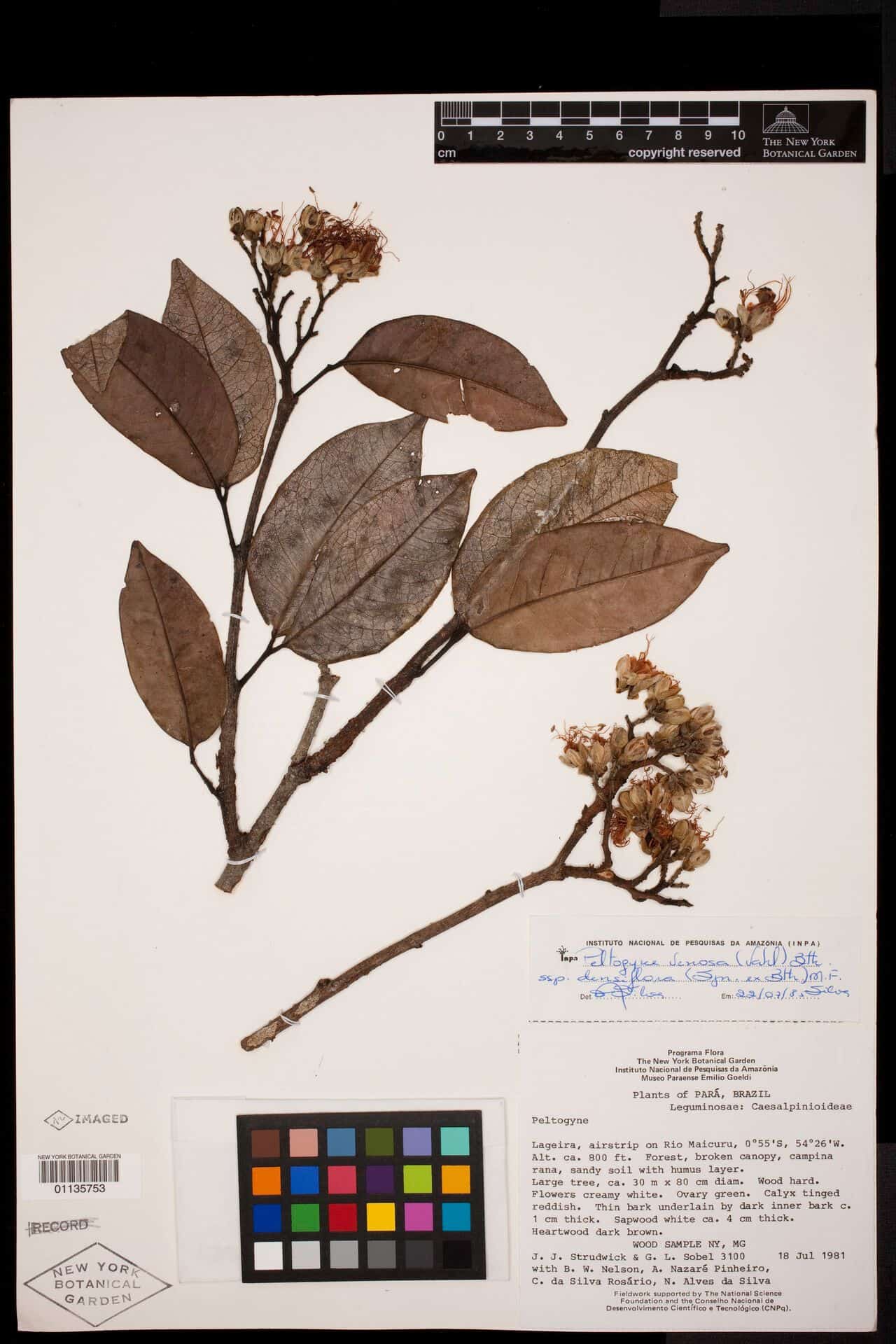
Unlocking the Secrets of the Purpleheart Tree: A Guide to Propagating Peltogyne subsessilis
The Purpleheart tree, known scientifically as Peltogyne subsessilis, is a breathtaking species native to the rainforests of Central and South America. Revered for its vibrant purple heartwood, often used in fine furniture and woodworking, this tree is a stunning addition to any landscape lucky enough to accommodate its growth. But what about bringing a little piece of the Purpleheart magic home?
While not the easiest species to propagate, growing your own Peltogyne subsessilis is a rewarding challenge for dedicated enthusiasts. Let’s delve into the world of Purpleheart propagation and explore the methods that hold the key to success.
Method 1: Seed Propagation – A Test of Patience
- Source: Obtaining viable seeds can be the first hurdle. Look for reputable online suppliers specializing in exotic trees or connect with botanical gardens specializing in tropical flora for potential seed exchanges.
- Preparation: Purpleheart seeds possess a hard outer shell that requires scarification to enhance germination. Gently nick the seed coat with a file or sandpaper, being careful not to damage the inner embryo.
- Sowing: Plant the scarified seeds in a well-draining seed starting mix, covering them lightly with soil. Provide consistent moisture and warmth (around 75-85°F) using a heat mat if necessary.
- Patience is Key: Germination can be erratic and may take several weeks or even months. Don’t lose hope! Once seedlings emerge, provide ample indirect light and gradually acclimate them to stronger sunlight as they grow.
Method 2: Cutting Propagation – A Faster Route
- Timing is Everything: Take semi-hardwood cuttings, ideally from young, healthy branches, during the active growing season (spring to early summer).
- Cutting Selection: Choose cuttings around 6-8 inches long with at least 2-3 nodes (small bumps where leaves emerge). Remove leaves from the bottom inch of the cutting.
- Hormonal Boost: Dip the cut end in rooting hormone powder to encourage faster root development.
- Planting and Care: Plant the cuttings in a well-draining potting mix, ensuring at least one node is below the soil surface. Maintain consistent moisture and humidity. Using a humidity dome or enclosing the pot in a plastic bag can help create a favorable microclimate.
Nurturing Your Purpleheart: A Long-Term Commitment
Regardless of the method you choose, remember that Peltogyne subsessilis is a tropical species that thrives in warm, humid environments. Here are some essential care tips:
- Sunlight: Provide ample bright, indirect light during the early stages. Gradually introduce your plant to more direct sunlight as it matures.
- Water: Water deeply, allowing the soil to dry slightly between waterings. Avoid overwatering, as it can lead to root rot.
- Humidity: This species thrives in high humidity. Use a humidifier or place the pot on a tray filled with pebbles and water to increase humidity levels around the plant.
- Fertilizer: Feed your Purpleheart with a balanced fertilizer during the growing season (spring to summer) to support healthy growth.
Propagating Peltogyne subsessilis is a labor of love that requires patience and dedication. But the reward of witnessing the vibrant beauty of a Purpleheart tree you nurtured from seed or cutting is a truly fulfilling experience. So, why not embark on this rewarding journey and add a touch of exotic elegance to your own personal haven?