
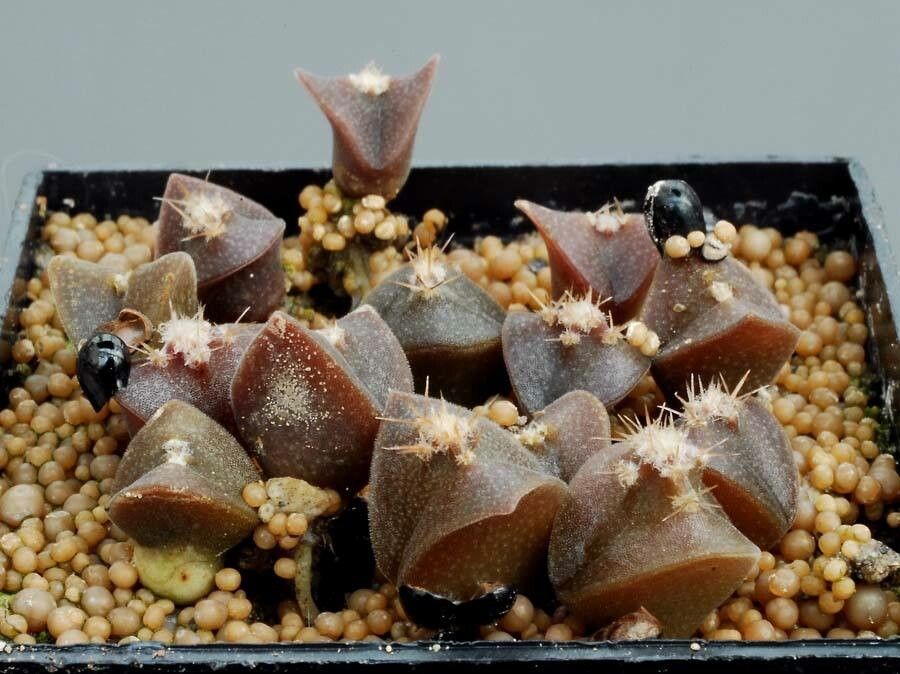
Propagating the Night-Blooming Cereus: A Guide to Peniocereus marianus
Introduction:
Peniocereus marianus, also known as the night-blooming cereus (though this common name is shared with several other cacti), is a captivating succulent prized for its spectacular, ephemeral nocturnal blooms. Its long, slender stems, often sprawling across the ground, and its dramatic, large white flowers make it a highly sought-after addition to gardens, particularly for collectors. Its unique propagation challenges, however, make successful cultivation a rewarding experience for enthusiasts. While relatively rare in cultivation compared to other cacti, its popularity is steadily increasing.
Seed Germination:
Currently, there are no known reliable methods for seed germination propagation of Peniocereus marianus. While seeds may be produced, germination rates are extremely low, even under ideal conditions. Factors such as embryo dormancy and the need for specific microclimatic conditions likely contribute to this difficulty.
Cuttings:
Cuttings represent the most common and reliable method for propagating Peniocereus marianus.
Challenges: While relatively straightforward, success requires attention to detail. Rot is a significant risk, especially if cuttings aren’t allowed to callous properly before planting.
Practical Tips: To propagate via cuttings, select healthy, mature stems. Allow the cut ends to callous over for several days to a week in a dry, airy location. Plant the cuttings in well-draining cactus and succulent potting mix, ensuring only the lower portion is buried. Avoid overwatering; allow the soil to dry completely between waterings. Providing bottom heat can also improve rooting success. Propagating hormonessuch as IBA (Indole-3-butyric acid) can also significantly improve rooting success.
- Rewards: Cuttings offer a relatively simple and quick method to obtain new plants, preserving the genetic characteristics of the parent plant.
Division:
Division is a viable propagation method, particularly for plants that have developed extensive root systems with multiple growth points.
Challenges: Care must be taken to avoid damaging the roots and stems during division. Each section should have a sufficient number of roots and stems to ensure independent viability.
Practical Tips: Divide the plant carefully during the spring or early summer, ensuring each division receives a substantial portion of roots and at least one actively growing stem. Plant the divisions in well-draining soil and keep them in a shaded location until they show signs of new growth.
- Rewards: Division allows for rapid multiplication of a mature plant, leading to multiple new plants quickly.
Tissue Culture:
Tissue culture offers potential for large-scale propagation of Peniocereus marianus, bypassing some of the challenges associated with other methods.
Challenges: This technique requires specialized equipment, a sterile environment, and expertise in plant tissue culture techniques. It’s not a readily accessible method for the average home gardener.
Practical Tips: Sterile culture techniques are mandatory. Explantation (selecting a piece of the plant suitable for culturing) and choice of media are critical for success. Consult detailed guides on cactus tissue culture for specific protocols.
- Rewards: Tissue culture offers the possibility of disease-free plants and large-scale propagation for commercial purposes or conservation efforts.
Conclusion:
Propagating Peniocereus marianus presents unique challenges, with seed germination proving unreliable. Cuttings and division provide more accessible and dependable methods for the home cultivator, while tissue culture holds promise for larger-scale propagation, but requires expertise. The rewards, however, are immense. Successfully nurturing a cutting into a mature plant, capable of producing its otherworldly blooms, brings a deep sense of satisfaction. While the journey might require patience and attention to detail, the beauty and rarity of Peniocereus marianus makes the effort well worthwhile. For aspiring propagators, meticulous attention to watering, well-draining soil, and diligent pest and disease control are essential for success. The journey might sometimes be frustrating, but the sight of those magnificent blooms, unfurlings under the cloak of night, makes it an unforgettable horticultural adventure.