
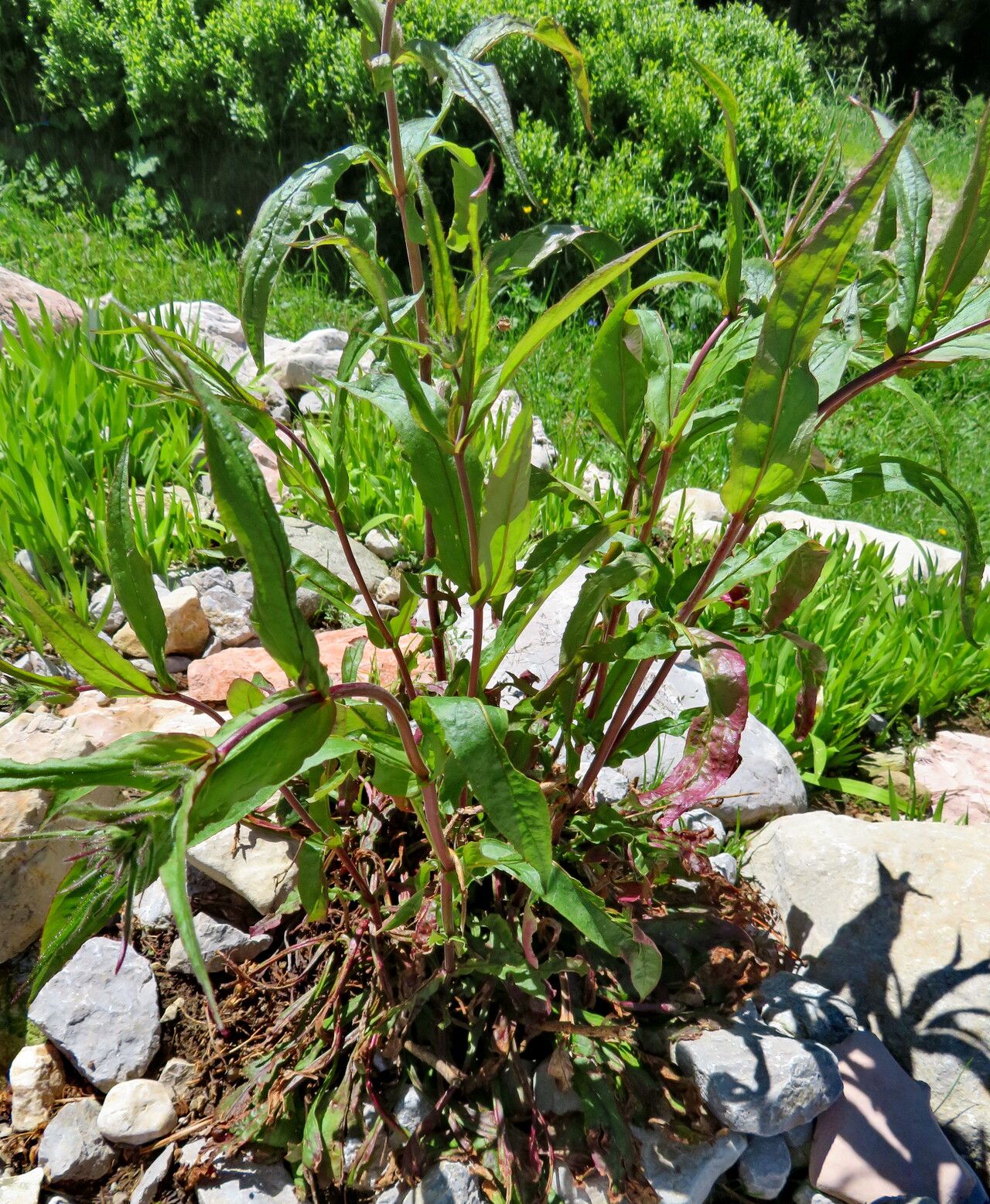
Unlocking the Secrets of Penstemon Canescens: A Guide to Propagation
Penstemon canescens, also known as the Appalachian Penstemon or Graybeard Beardtongue, is a captivating wildflower renowned for its vibrant, tubular flowers that paint meadows and slopes with hues of purple and pink. While readily available from reputable nurseries, propagating your own Penstemon canescens can be a rewarding endeavor for any plant enthusiast.
This comprehensive guide will equip you with the knowledge and techniques to successfully propagate this delightful wildflower from both seeds and cuttings.
Method 1: Seed Propagation
Propagating Penstemon canescens from seeds is an excellent way to grow a large number of plants and offers a unique opportunity to witness the plant’s entire life cycle.
- Seed Collection: Collect seeds from existing Penstemon canescens plants in late summer or early fall. Look for dry, brown seed capsules.
- Cold Stratification: Penstemon canescens seeds require a period of cold stratification to mimic natural winter conditions and break dormancy. You can achieve this by storing the seeds in a moist paper towel inside a sealed plastic bag in your refrigerator for 4-6 weeks.
- Sowing: Sow the seeds in seed trays filled with a well-draining seed starting mix. Gently press the seeds into the surface of the soil, ensuring they receive good contact but are not buried deeply.
- Light and Moisture: Place the seed trays in a bright location, out of direct sunlight. Water regularly, keeping the soil consistently moist but not waterlogged.
- Transplanting: After the threat of frost has passed, and once the seedlings have developed several sets of true leaves, they can be transplanted outdoors into their permanent locations.
Method 2: Cutting Propagation
Propagating Penstemon canescens from cuttings offers a faster route to mature plants and ensures that the new plants will be genetically identical to the parent plant.
- Timing: Take cuttings in late spring or early summer from healthy, non-flowering stems.
- Cutting Preparation: Using clean, sharp shears, cut a 4-6 inch section of stem just below a leaf node. Remove the lower leaves, leaving 2-3 pairs of leaves at the top.
- Rooting Hormone: While not essential, dipping the cut end of the stem in a rooting hormone can increase the success rate of rooting.
- Planting: Plant the cuttings in small pots filled with a well-draining potting mix. Water thoroughly.
- Humidity and Light: Place the pots in a warm, humid environment with bright, indirect light. A humidity dome or covering the pots with a plastic bag can help retain moisture.
- Rooting: The cuttings should root in 4-6 weeks. Gently tug on the cuttings to check for resistance, indicating root development. Once rooted, gradually acclimate the plants to outdoor conditions before transplanting them into their permanent locations.
Caring for Your New Penstemon Canescens
Regardless of the propagation method you choose, Penstemon canescens thrives in well-draining soil and prefers full sun to partial shade. Water regularly, especially during dry periods, and fertilize in spring with a balanced fertilizer. Deadhead spent flowers to encourage continuous blooming and prevent self-seeding if desired.
By following these propagation techniques and providing optimal growing conditions, you can enjoy the captivating beauty of Penstemon canescens in your garden, year after year. Happy propagating!