
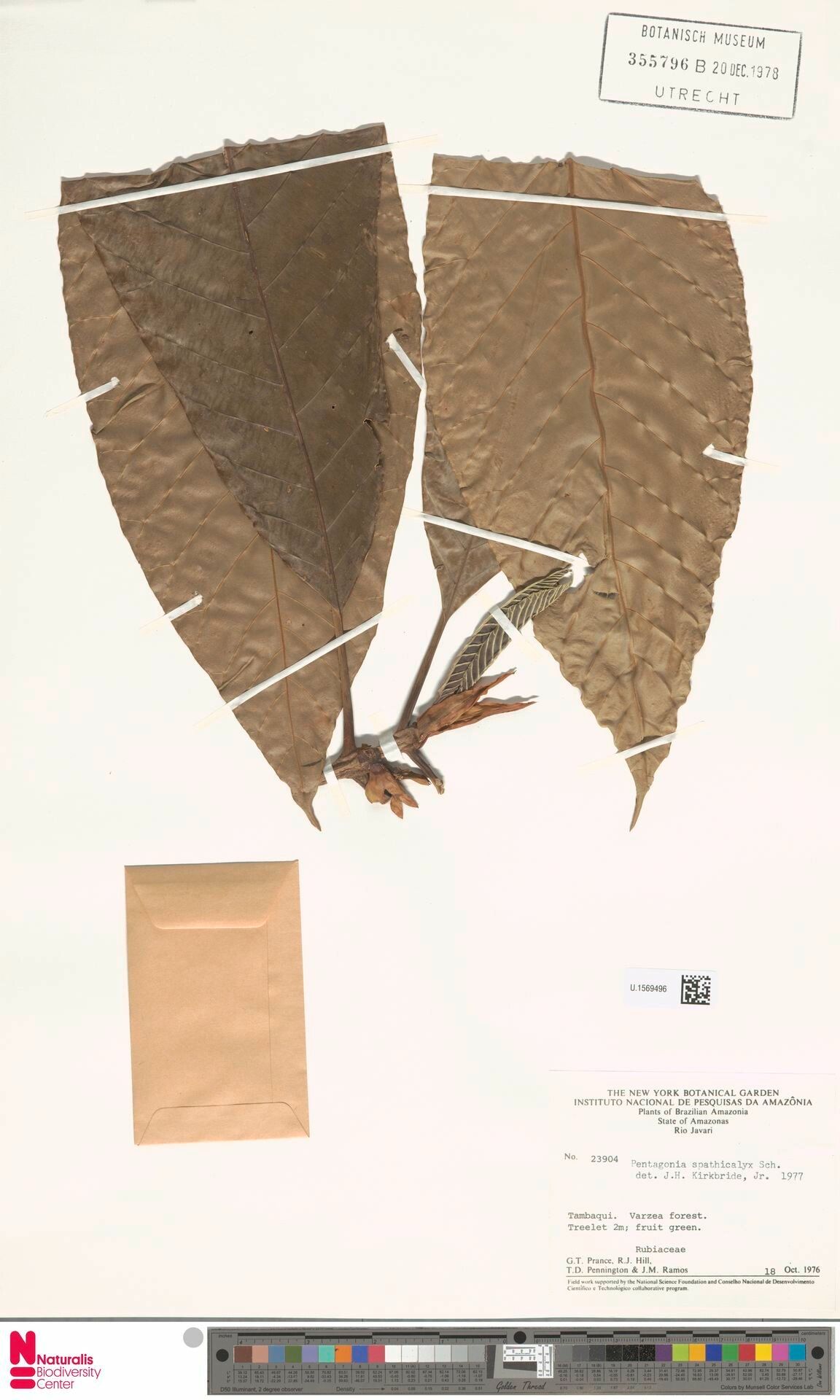
Unlocking the Exotic Allure: Propagating the Stunning Pentagonia Spathicalyx
The Pentagonia spathicalyx, with its dramatic, paddle-shaped leaves and vibrant red floral bracts that cradle delicate white flowers, is a true showstopper in the tropical plant world. Native to Central and South America, this beauty, also known as the “Helicopter Plant,” captivates with its unique aesthetic and brings a touch of the rainforest to any indoor space. But did you know that propagating this exotic wonder is an achievable feat, even for the average plant enthusiast?
This guide will take you through the intricacies of propagating your very own Pentagonia spathicalyx, allowing you to expand your indoor jungle or share this extraordinary plant with fellow plant lovers.
Two Roads to Propagation Success:
While seeds can be a viable option, propagating Pentagonia spathicalyx through stem cuttings reigns supreme for its higher success rate and faster results. Let’s break down this method step-by-step:
1. Gather your Propagation Toolkit:
- Sharp, sterilized pruning shears or a knife: Cleanliness is crucial to prevent infections in your cuttings.
- Rooting hormone (optional but recommended): This magical powder encourages faster and more robust root development.
- Well-draining potting mix: A blend formulated for tropical plants or a mix of peat moss, perlite, and vermiculite works wonders.
- Small pots or trays: Choose containers with sufficient drainage holes.
- Humidity dome or plastic wrap: Maintaining high humidity is essential for successful rooting.
2. Taking the Perfect Cutting:
- Timing is Key: Spring or early summer, when the plant is actively growing, offers the highest chance of success.
- Select a healthy stem: Look for a stem that’s firm and about 4-6 inches long, with at least two nodes (those little bumps where leaves emerge).
- Make a clean cut: Using your sterilized shears, cut just below a node at a slight angle. Remove any leaves from the bottom inch of the cutting to prevent rotting.
3. Encouraging Root Development:
- Rooting hormone boost (optional): Dip the cut end of your stem in rooting hormone, gently tapping off any excess.
- Potting Up: Plant the cutting about an inch deep in your prepared potting mix, ensuring the nodes are buried.
- Humidity is Key: Place the pot inside a humidity dome or cover it loosely with a plastic bag, creating a warm, humid microclimate.
- Ideal Conditions: Position your cuttings in a bright location, avoiding direct sunlight. Aim for temperatures around 70-75°F (21-24°C) and keep the soil consistently moist but not waterlogged.
4. Patience is a Virtue:
Rooting typically takes 4-8 weeks, but it can vary. Resist the urge to tug on the cutting to check for roots; you’ll see new growth emerge when the cutting has successfully rooted. Once you see new growth, gradually acclimate your new plant to lower humidity levels before transplanting it to a larger pot.
Troubleshooting Tips:
- Yellowing or wilting leaves: Could indicate overwatering or insufficient humidity.
- Rotting stems: Usually a sign of overwatering or poor drainage.
Propagating your Pentagonia spathicalyx is a rewarding experience, allowing you to grow your plant family while gaining a deeper appreciation for this botanical marvel. So, grab your gardening gloves and embark on this fulfilling journey with confidence!