
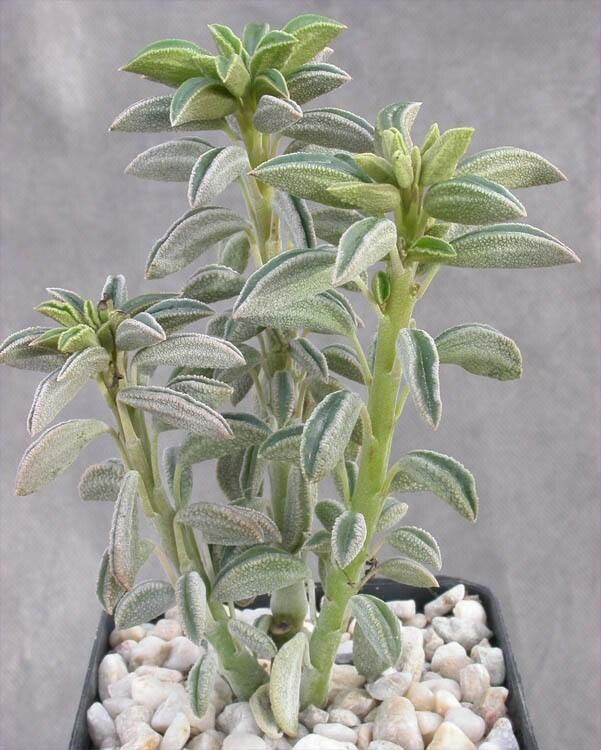
Propagating the Emerald Ripple Peperomia: A Gardener’s Guide to Peperomia asperula
Introduction
Peperomia asperula, commonly known as the Emerald Ripple Peperomia, is a captivating succulent prized for its uniquely textured, heart-shaped leaves. The leaves boast a striking wrinkled surface, giving them their "ripple" effect, and are typically a deep, glossy green. This relatively easy-to-care-for plant has gained immense popularity among houseplant enthusiasts for its attractive foliage and compact size, making it a perfect addition to windowsills, shelves, or terrariums. While relatively easy to maintain, propagation can present some unique challenges. This article explores various methods for propagating Peperomia asperula, weighing the advantages and disadvantages of each.
Seed Germination
Currently, there are no known reliable methods for seed germination propagation of Peperomia asperula. While some Peperomia species can be propagated from seed, P. asperula rarely produces viable seeds indoors, and commercially available seeds are scarce. Furthermore, even with successful seed production (which typically requires specific pollination conditions), germination rates tend to be low.
Cuttings
Cuttings represent the most successful and commonly employed method for propagating Peperomia asperula.
Challenges: The primary challenge lies in creating the right environment for root development. Stem cuttings are susceptible to rot if kept too moist.
Practical Tips: Take 4-6 inch stem cuttings, ensuring each cutting has at least 2-3 nodes (leaf junctions). Allow the cut ends to callous over for 1-2 days before planting. Plant the cuttings approximately 1 inch deep in a well-draining succulent potting mix or a mixture of perlite and peat moss. Keep the soil slightly moist, but avoid overwatering. Propagating in a humid environment, like a humidity dome or propagator, significantly increases success rates. Bottom heat can also aid rooting.
Rewards: Cuttings offer a relatively quick and straightforward method to produce multiple plants from a single mother plant, preserving its desirable traits. This is ideal for expanding your collection with healthy, genetically identical offspring.
Division
Division is a viable technique for propagating Peperomia asperula, particularly when the mother plant has become quite large and established.
Challenges: Carefully separating the root system without damaging the individual portions is crucial. Root damage easily leads to failure.
Practical Tips: Gently remove the plant from its pot and carefully divide the root ball into smaller sections, ensuring each section has its own healthy roots and several stems. Plant each division in individual pots filled with well-draining soil. Water sparingly after potting.
Rewards: Division is a relatively easy method that allows for propagation without the need for special equipment or extensive techniques.
Tissue Culture
Tissue culture is a complex, laboratory-based propagation method not generally recommended for home propagation of Peperomia asperula.
Challenges: This method requires specialized equipment, sterile conditions, and a considerable level of expertise in plant tissue culture techniques. It’s significantly more expensive and time-consuming than other methods.
Practical Tips: Not applicable for home enthusiasts.
Rewards: Tissue culture offers the potential for large-scale propagation and the elimination of diseases. However, the complexity and cost make it impractical for most home growers.
Conclusion
While Peperomia asperula propagation presents challenges, particularly with seeds and tissue culture, the rewards significantly outweigh the effort, especially with cuttings and division. The satisfaction of nurturing a small cutting into a thriving plant, or successfully dividing a mature specimen, cannot be overstated. The unique textured leaves of this lovely plant make the effort worthwhile. For home growers, mastering the art of stem cuttings is an excellent starting point for enjoying multiple Emerald Ripple Peperomias. Remember patience and consistent care are key to success in any propagation endeavor. Don’t be discouraged by initial setbacks; experiment with different techniques and learn from each experience. Happy propagating!