
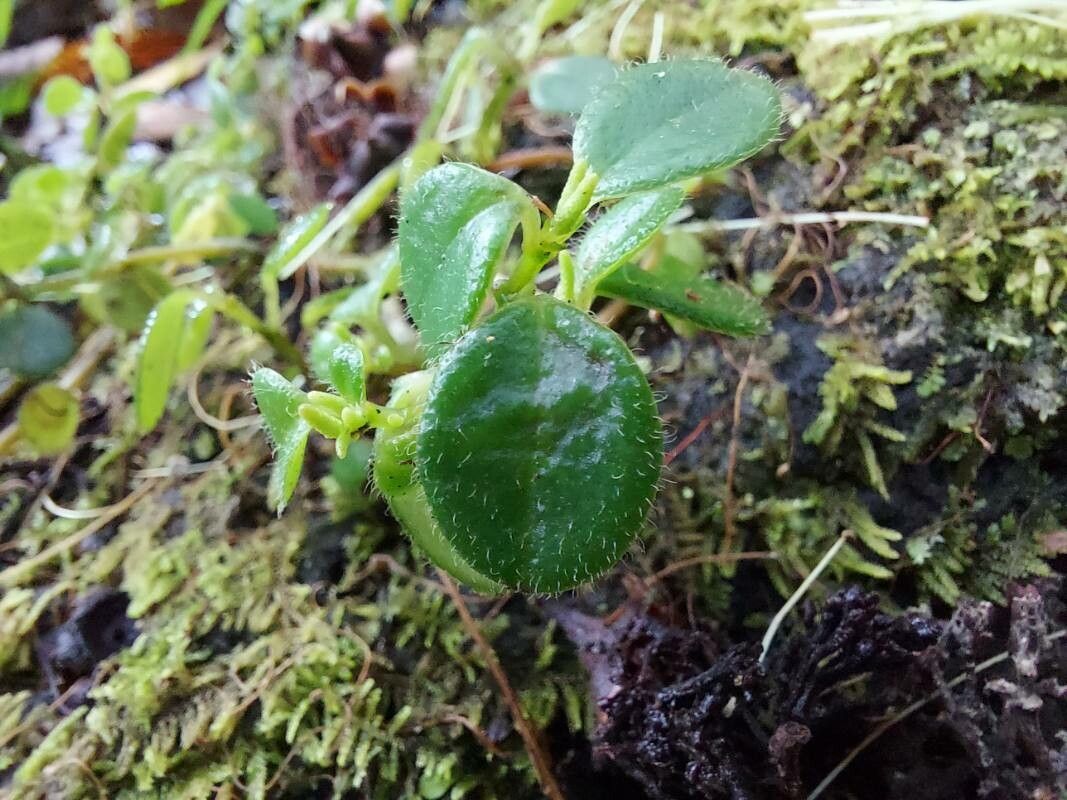
Propagating the Emerald Ripple Peperomia: A Gardener’s Guide to Peperomia goudotii
Introduction:
Peperomia goudotii, commonly known as the Emerald Ripple Peperomia, is a captivating succulent prized for its distinctive, deeply textured, emerald-green leaves. Its heart-shaped foliage, overlaid with a mesmerizing ripple pattern, makes it a highly sought-after addition to any indoor plant collection. While relatively easy to care for, propagating this beauty presents unique challenges and rewards. Its popularity stems not only from its aesthetic appeal but also from its relative ease of propagation through vegetative means (cuttings and division), though seed propagation is not reliably documented.
Seed Germination:
Currently, there are no known reliable methods for seed germination propagation of Peperomia goudotii. While the plant does produce seeds, their viability and germination rate are extremely low and unpredictable, rendering seed propagation impractical for home gardeners. Further research might uncover successful techniques, but for now, it’s not a recommended method.
Cuttings:
This is the most reliable and commonly used method for propagating Peperomia goudotii.
- Challenges: While straightforward, cuttings require patience and attention to detail. Rot is a significant risk if the cutting isn’t allowed to callous before planting and if conditions are too humid.
- Practical Tips: Take stem cuttings of approximately 4-6 inches long, ideally with 2-3 nodes. Allow the cut end to callous over for a day or two before planting in a well-draining succulent and cactus potting mix. Plant the cuttings shallowly, ensuring at least one node is buried. Maintain a humid environment (e.g., using a humidity dome or plastic bag) but avoid waterlogging. Place in bright, indirect light and keep the soil slightly moist. Root formation generally takes 2-4 weeks.
- Rewards: Cuttings are a simple, relatively quick, and successful method to generate multiple plants, preserving the exact genetic characteristics of the parent plant.
Division:
Division is another viable option, particularly when the parent plant becomes overcrowded or root-bound in its pot.
- Challenges: Requires careful handling of the root system to minimize damage to both the parent plant and the divisions.
- Practical Tips: Gently remove the plant from its pot and carefully separate the root ball into smaller sections, each with its own healthy roots and several stems. Repot each division in its own pot with fresh, well-draining potting mix. Water sparingly until new growth appears.
- Rewards: Division is a fast way to increase the number of plants, especially when dealing with larger, established specimens. It minimizes the risk of rot associated with cuttings because the divisions already have established root systems.
Tissue Culture:
While theoretically possible, tissue culture is generally not a practical method for home gardeners propagating Peperomia goudotii. This method requires specialized equipment, sterile conditions, and a significant understanding of plant tissue culture techniques.
- Challenges: High initial cost of equipment and media, strict sterility requirements, and complex procedural steps make this method infeasible for the average hobbyist.
- Practical Tips: Not applicable to home growers. This method is more suitable for large-scale commercial production.
- Rewards: Exponentially faster propagation rates compared to other methods, and the ability to produce disease-free plants.
Conclusion:
Propagating Peperomia goudotii presents varied challenges across different methods. While seed propagation remains unreliable, cuttings and division provide readily accessible and effective alternatives. While tissue culture offers impressive scalability, it remains out of reach for most enthusiasts. The unique satisfaction of nurturing a tiny cutting into a vibrant, ripple-textured plant is a testament to the gardener’s patience and care. The rewards of successfully propagating this beautiful plant, overcoming the hurdles and witnessing the new growth, are well worth the effort. So, embrace the challenge, select your preferred method (cuttings or division being the most practical), and enjoy the journey of cultivating these delightful succulents!