
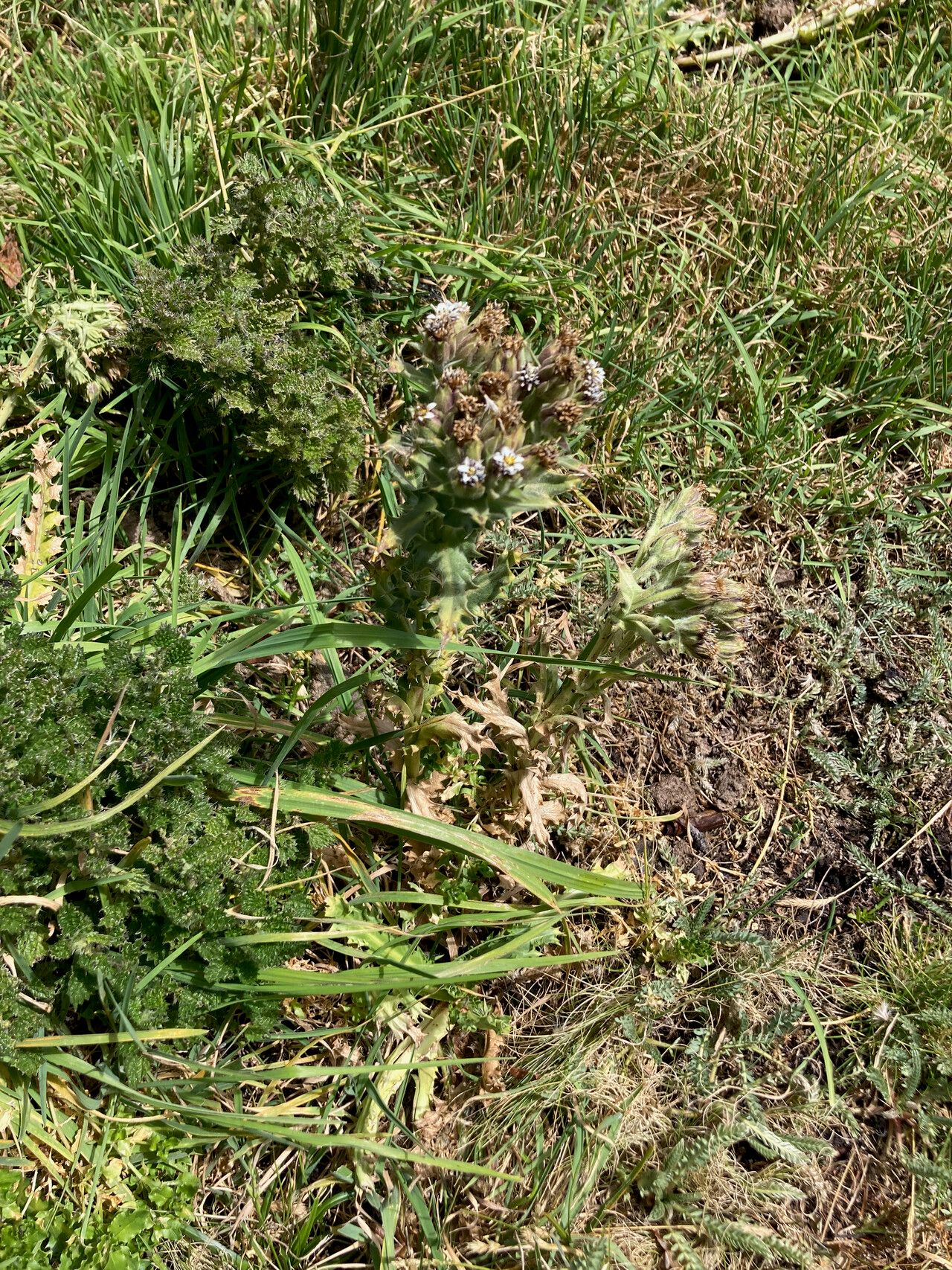
Unveiling the Secrets of Perezia Multiflora Propagation: A Guide to Cultivating this Andean Beauty
Hailing from the high altitudes of the Andes, Perezia multiflora is a plant that captivates with its delicate beauty and resilience. Imagine clusters of vibrant, lavender-pink blooms adorning a plant that thrives in rocky, unforgiving terrain. While not a common sight in gardens, this intriguing species offers a unique appeal for plant enthusiasts seeking a challenging yet rewarding journey.
Successfully cultivating Perezia multiflora begins with understanding its preferred natural habitat. Native to the harsh yet beautiful Andean slopes, this perennial flourishes in well-drained, rocky soil and full sun exposure. Mimicking these conditions is key to successful propagation. Here, we delve into the two main methods for propagating this resilient beauty:
1. Seed Propagation:
- Sourcing: Seeds can be a bit tricky to find commercially. Your best bet is to connect with specialized nurseries or online vendors that offer seeds of alpine or South American native plants.
- Sowing: The ideal time for sowing is late winter or early spring. Use a seed starting mix with excellent drainage and sow the seeds superficially, pressing them gently onto the surface.
- Germination: Perezia multiflora seeds require light for germination. Place the seed tray in a bright location, out of direct sunlight, and maintain a consistent temperature of around 65-70°F (18-21°C). Germination can take anywhere from a few weeks to a couple of months. Be patient!
- Transplanting: Once seedlings have developed a few sets of true leaves, carefully transplant them into individual pots, using a well-draining potting mix. Gradually acclimate them to outdoor conditions before planting them in their final location.
2. Propagation from Cuttings:
- Timing: Early summer is the optimal time for taking cuttings. Choose healthy, non-flowering stems for the best results.
- Taking the Cutting: Using a clean, sharp knife or pruning shears, take a 3-4 inch cutting just below a leaf node. Remove the lower leaves, leaving a few at the top.
- Rooting Hormone (Optional): While not strictly necessary, dipping the cut end in rooting hormone can enhance the chances of successful rooting.
- Planting: Plant the cuttings in a well-draining potting mix, burying the bottom node. Keep the soil consistently moist but not waterlogged.
- Growth: The cutting should develop roots in a few weeks. Once new growth emerges, you can gradually acclimate the plant to outdoor conditions before transplanting it.
Nurturing Your Perezia Multiflora:
- Soil and Drainage: Excellent drainage is crucial. Opt for a well-draining soil mix designed for cacti and succulents or amend your existing soil with perlite or pumice.
- Watering: Water deeply but infrequently, allowing the soil to dry out completely between waterings. Overwatering can lead to root rot.
- Sunlight: Provide your Perezia multiflora with at least 6 hours of direct sunlight per day.
- Fertilization: During the growing season (spring and summer), fertilize monthly with a balanced, diluted fertilizer.
Growing Perezia multiflora is a rewarding endeavor for plant lovers seeking a touch of Andean charm. With patience and diligence, you can cultivate this resilient beauty and enjoy its unique allure in your own outdoor space.