
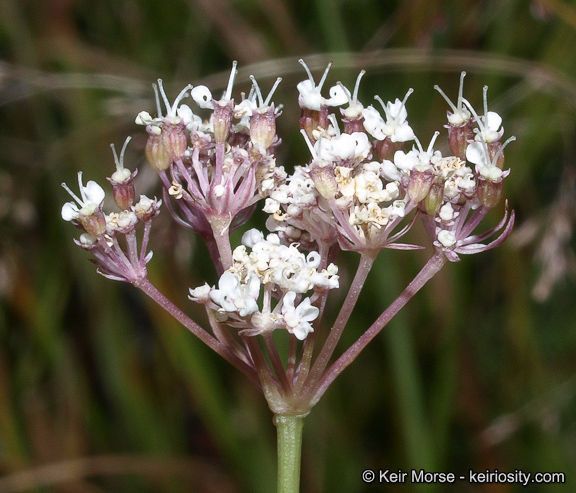
Unearthing the Secrets of Perideridia parishii Propagation: A Gardener’s Guide
Perideridia parishii, also known as Parish’s yampah or wild carrot, is a captivating plant native to western North America. Sporting delicate white umbels of flowers and feathery foliage, this perennial beauty attracts beneficial insects and adds a touch of wild charm to any garden. But getting your hands on this captivating plant can be tricky, as it’s not commonly sold in nurseries. Fear not, intrepid gardeners! Propagating Perideridia parishii, while presenting some unique challenges, is achievable and deeply rewarding. Let’s delve into the secrets of successfully growing this botanical gem from seed and root division.
Seed Starting: A Test of Patience
Propagating Perideridia parishii from seed is the most common method, though it demands a patient hand and a touch of green magic. Here’s how to embark on this rewarding endeavor:
- Obtain Fresh Seeds: Source fresh seeds from reputable suppliers specializing in native plants. Perideridia parishii seeds are notoriously fickle and have a short viability period.
- Cold Stratification: Mimic nature’s way by providing a period of cold, moist stratification. Mix the seeds with damp sand or vermiculite and store them in a sealed plastic bag in the refrigerator for 6-8 weeks. This process breaks dormancy and prepares them for germination.
- Sowing the Seeds: In early spring, sow the seeds directly outdoors or start them indoors 6-8 weeks before the last frost. Use a well-draining seed starting mix and barely cover the seeds.
- Patience is Key: Germination can be erratic and may take several weeks or even months. Keep the soil consistently moist but not waterlogged.
- Transplanting Success: Once the seedlings develop a few sets of true leaves, transplant them outdoors after the danger of frost has passed. Choose a location with partial shade and well-drained soil.
Root Division: A Quicker Route (Sometimes)
While not as commonly used, root division offers a quicker propagation method if you have access to an established Perideridia parishii plant. However, this technique can be a bit trickier, and success is not guaranteed:
- Timing is Everything: Early spring, just as new growth emerges, is the ideal time for root division.
- Careful Excavation: Gently dig up a mature plant, taking care to minimize damage to the roots.
- Divide and Conquer: Using a sharp, clean knife or pruning shears, carefully divide the root ball into sections. Each section should have a good amount of healthy roots and shoots attached.
- Replanting: Replant the divisions immediately in a well-prepared bed with amended soil, ensuring the crown of the plant sits slightly above the soil line. Water thoroughly.
Nurturing Your Perideridia parishii
Once your Perideridia parishii is established, it’s relatively low-maintenance. Provide regular watering, especially during dry spells, and fertilize lightly in the spring. Deadhead spent flower stalks to encourage bushier growth and potentially a second bloom. Be prepared for the plant to go dormant in the heat of summer, only to reemerge in the fall.
Growing Perideridia parishii might require a little extra effort, but the rewards are undeniable. With patience and care, you can enjoy these delicate blooms in your garden, attracting pollinators and adding a touch of wild beauty. So, why not embark on this rewarding horticultural journey and unearth the secrets of Perideridia parishii propagation for yourself?