
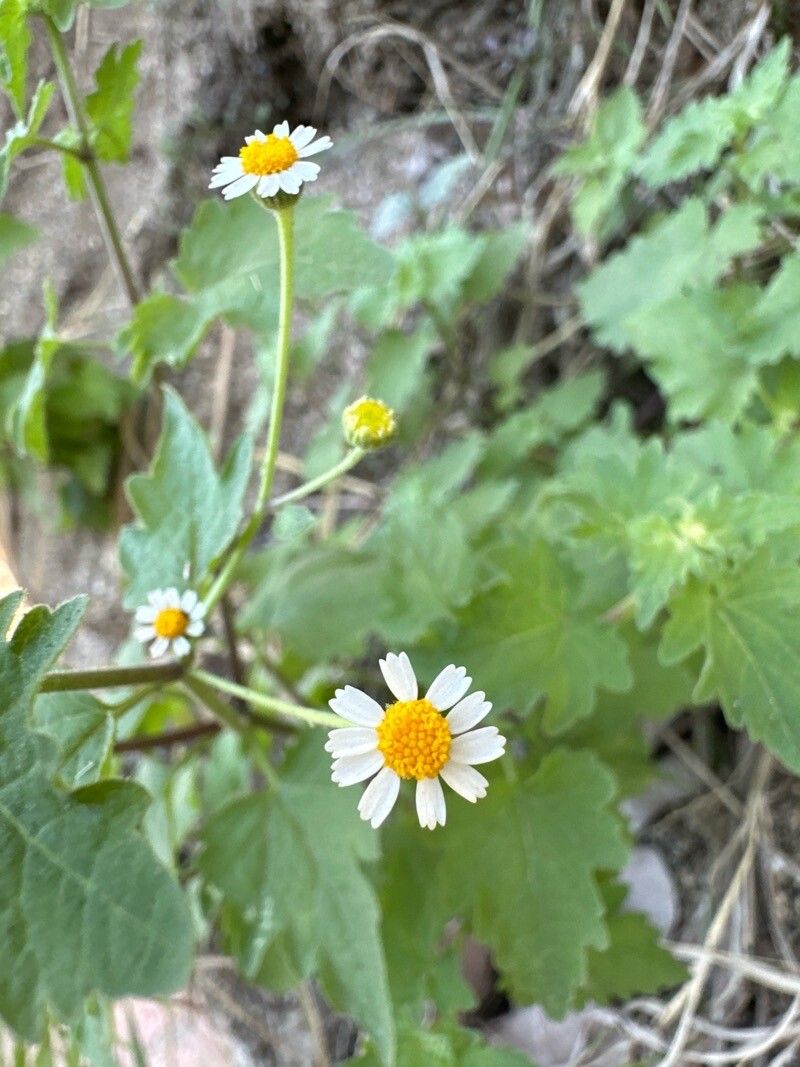
The Cutest Little Groundcover You Can Grow: Propagating Perityle Microglossa
The world of gardening offers endless variety, but sometimes, the most charming additions to our outdoor spaces are the smallest and most delicate. Enter Perityle microglossa, commonly known as the Small-tongue Rock Daisy. This unassuming groundcover, native to the southwestern United States and Mexico, captivates with its tiny, daisy-like flowers and feathery foliage. But don’t let its dainty appearance fool you—this plant is surprisingly resilient and easy to propagate, making it a rewarding choice for even beginner gardeners.
Spreading the Cheer: Two Ways to Propagate
Perityle microglossa is a generous soul, often self-seeding readily in optimal conditions. However, if you wish to exert a bit more control over its spread, there are two primary methods you can employ:
1. Seed Propagation:
- Timing is Key: The best time to sow Perityle microglossa seeds is in the spring, after the last frost has passed.
- Sowing the Seeds: These seeds prefer light to germinate. Sprinkle them directly onto the soil surface, pressing lightly.
- Patience is a Virtue: Keep the soil consistently moist but not waterlogged. Germination can take a few weeks, so patience is key.
- Thinning Out: Once the seedlings are a few inches tall, thin them out to give them adequate space to thrive.
2. Propagation from Cuttings:
- Choose the Right Cuttings: In late spring or early summer, select healthy, actively growing stems. Ideally, choose those without flower buds for optimal rooting.
- Taking the Cutting: Use a sharp, clean knife or pair of shears to take cuttings about 3-4 inches long. Remove the leaves from the bottom inch of the cutting.
- Creating the Ideal Environment: Dip the cut end in rooting hormone (optional but beneficial). Plant the cuttings in a well-draining potting mix.
- Moisture and Warmth: Keep the cuttings consistently moist and in a warm, bright location, out of direct sunlight.
- Transplanting Success: After a few weeks, gently tug at the cuttings. If you feel resistance, roots have developed. Once the roots are established, you can transplant them to your desired location outdoors.
Tips for Successful Propagation:
- Well-Draining Soil: Perityle microglossa thrives in well-drained soil. If your garden tends to hold water, amending the soil with sand or perlite can help.
- Sun-Kissed Delight: This little daisy loves basking in the sun. Choose a location that receives at least six hours of direct sunlight per day.
- Low Watering Needs: Once established, Perityle microglossa is relatively drought-tolerant. Water moderately, allowing the soil to dry out slightly between waterings.
Reaping the Rewards:
The joy of propagating Perityle microglossa extends beyond the satisfaction of nurturing new life. This versatile plant fills a multitude of roles in the garden, from adding delicate charm to rock gardens and borders to cascading gracefully over walls and containers. Its ability to attract pollinators like butterflies and bees makes it an even more valuable addition to any outdoor space.
So, why wait? Embrace the rewarding journey of propagating Perityle microglossa and watch as this charming little groundcover brings life and beauty to your garden for years to come.