
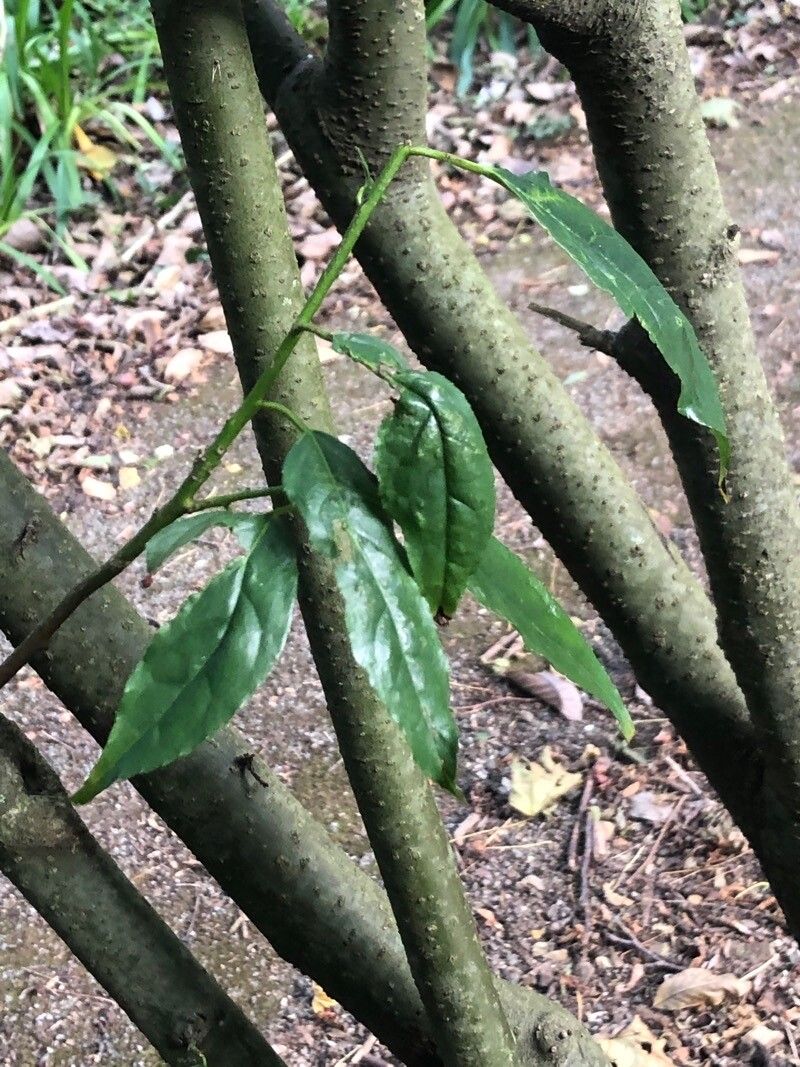
Unveiling the Mystery: Propagating the Enchanting Perrottetia Racemosa
Perrottetia racemosa, also known charmingly as the “Berberis-like Gooseberry,” isn’t as common in gardens as its beauty deserves. But for those adventurous souls ready to welcome this unique shrub into their lives, the journey begins with propagation.
While not as widely discussed as roses or hydrangeas, propagating Perrottetia racemosa is achievable and holds a rewarding journey for the patient gardener. Let’s delve into the two primary methods:
1. Seed Propagation – Embracing the Rhythm of Nature
This method requires a bit more patience, mirroring the unhurried pace of the natural world.
- Source Your Seeds: You can collect seeds from mature berries in fall, ensuring they are fully ripened. Alternatively, reputable online seed retailers sometimes stock this lesser-known plant.
- Break the Dormancy: Perrottetia seeds, like many others, experience dormancy. To mimic winter’s chill and awaken them, cold stratify the seeds for about 3 months. Place them in moist vermiculite inside a sealed bag, and keep them in your refrigerator.
- Sowing Time: Spring is ideal for sowing. Use a well-draining seed-starting mix and barely cover the seeds. Maintain consistent moisture, warmth (around 70°F), and bright, indirect light.
- Be Patient: Germination can be erratic, taking several weeks or even months. Once seedlings are sturdy enough to handle, transplant them into individual pots and gradually acclimate them to outdoor conditions before planting in their permanent location.
2. Semi-Hardwood Cuttings – A Quicker Path to New Growth
For a faster route, semi-hardwood cuttings taken in late summer are your best bet.
- Choose Wisely: Select healthy, non-flowering stems that have started to mature but retain some flexibility.
- Prepare the Cuttings: Make a clean cut below a leaf node and remove leaves from the lower third of the cutting (about 4-6 inches long).
- Hormone Boost: While not strictly necessary, dipping the cut end in rooting hormone can encourage faster and more successful root development.
- Create a Cozy Environment: Plant the cuttings in a well-draining mix, ideally a combination of peat moss and perlite. Water thoroughly. A humidity dome or a clear plastic bag placed over the pot creates a greenhouse effect, maintaining moisture.
- Patience, Patience: Keep the cuttings in a warm location (again, around 70°F) with bright, indirect light. After a few weeks, gently tug on a cutting; resistance indicates root development. Once roots are established, pot the cuttings individually.
Caring for Your Perrottetia Progeny
- Well-Drained Soil: Perrottetia racemosa prefers slightly acidic, well-drained soil. Amend with compost or organic matter to improve drainage.
- Sun or Shade?: While this shrub tolerates some shade, it truly flourishes in full sun to part shade conditions. More sun exposure encourages the vibrant berry production that makes this plant so unique.
- Water Wisely: Keep the soil consistently moist, especially for young plants, but avoid overwatering, which can lead to root rot.
- Pruning Power: Perrottetia racemosa doesn’t require extensive pruning. A light trim in late winter or early spring helps maintain shape and encourage bushier growth.
Propagating Perrottetia racemosa may take a bit of time and dedication, but the reward of witnessing this uncommon plant flourish under your care is well worth the effort. As you nurture your new propagations, remember that you’re not just cultivating a plant – you’re cultivating a connection with the fascinating world of botanical diversity.