
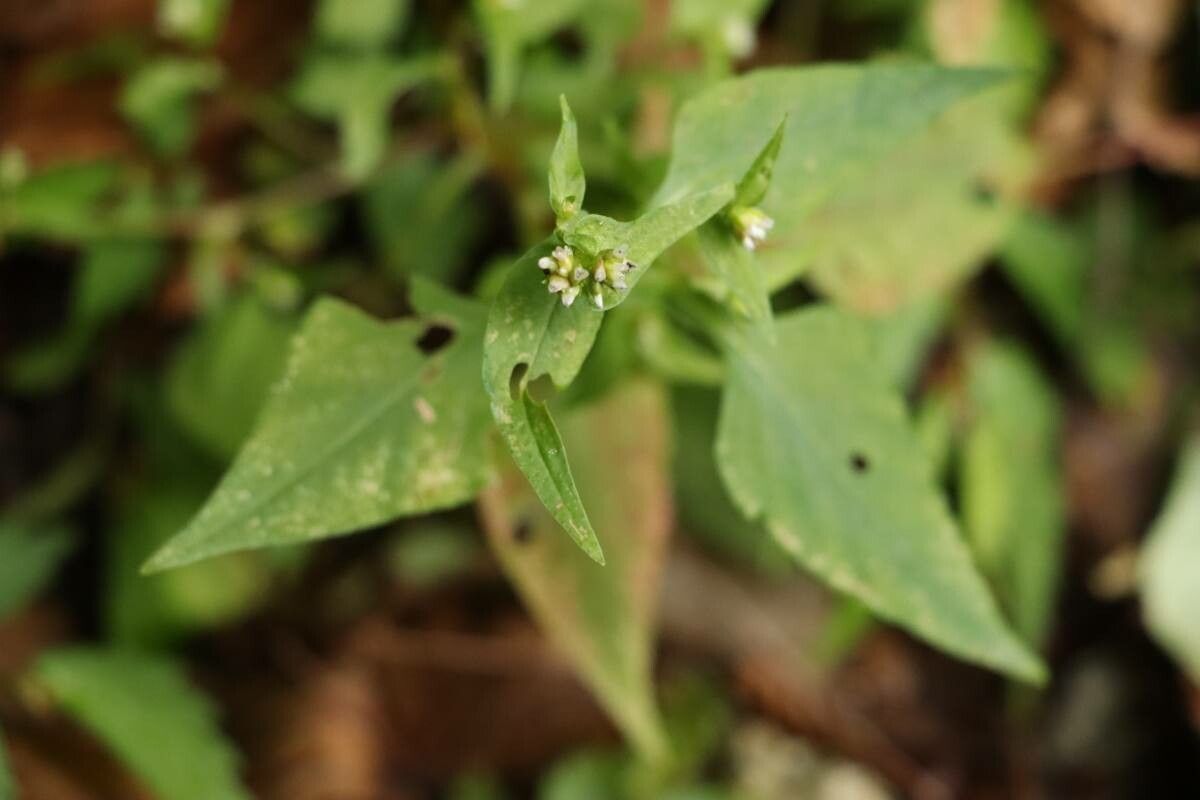
Unleashing the Pink Powerhouse: Propagating Persicaria nepalensis
Persicaria nepalensis, also known as Nepalese knotweed (don’t let the name scare you!), is a surprisingly charming plant. This unassuming beauty boasts delicate sprays of pink flowers that dance atop lush green foliage. But the real magic of Persicaria nepalensis lies in its effortless propagation. Whether you’re a seasoned gardener or just starting out, get ready to multiply this low-maintenance charmer and let it paint your garden with swathes of pink delight.
Understanding the Basics:
Native to the Himalayas, Persicaria nepalensis is surprisingly adaptable and thrives in a variety of conditions. Before we delve into propagation, it’s important to know this plant spreads readily through rhizomes, making it a fantastic groundcover but also potentially invasive. Proper containment and mindful planting are crucial. Now, let’s explore the easiest ways to propagate this pink wonder:
1. Division: The Gift of Sharing:
- When: Spring or early fall is the ideal time.
- How: Simply dig up a section of the established plant, ensuring you get a good portion of the rhizomatous root system. Then, using a sharp, clean knife or garden shears, divide the clump into smaller sections, each with healthy roots and shoots. Replant these divisions at the desired locations, water deeply, and watch them establish themselves.
2. Cuttings: Cloning Your Green Companion:
- When: Late spring to early summer offers the best results.
- How: Select a healthy, non-flowering stem and make a clean cut just below a leaf node. Remove the lower leaves, dip the cut end in rooting hormone (optional but helpful), and plant it in a moist, well-draining potting mix. Keep the cutting in a warm, humid environment, and within weeks, you’ll have a new plant ready for its debut.
3. Seed: A Tiny Seed, a Mighty Plant:
While Persicaria nepalensis readily self-seeds, propagating from collected seeds is also possible.
- When: Sow seeds in spring after the last frost.
- How: Scatter the seeds on the surface of a well-draining seed-starting mix. Gently press them down but don’t bury them. Keep the soil consistently moist and provide bright, indirect light. Germination can take a few weeks. Once seedlings have a couple of sets of true leaves, you can transplant them into individual pots or directly into the garden.
Tips for Success:
- Well-draining soil: Persicaria nepalensis dislikes soggy feet.
- Sun or partial shade: While it tolerates shade, it flourishes in sunlight.
- Moderate watering: Keep the soil moist but not waterlogged.
- Containment: Consider using physical barriers to prevent excessive spreading.
A Garden Transformed:
Propagating Persicaria nepalensis is a rewarding experience. This tough yet charming plant quickly forms lush carpets of green adorned with delicate pink blooms. So, why wait? Embrace the joy of propagation, share the bounty with fellow gardeners, and let the pink powerhouse conquer your garden with its delicate, spreading charm.