
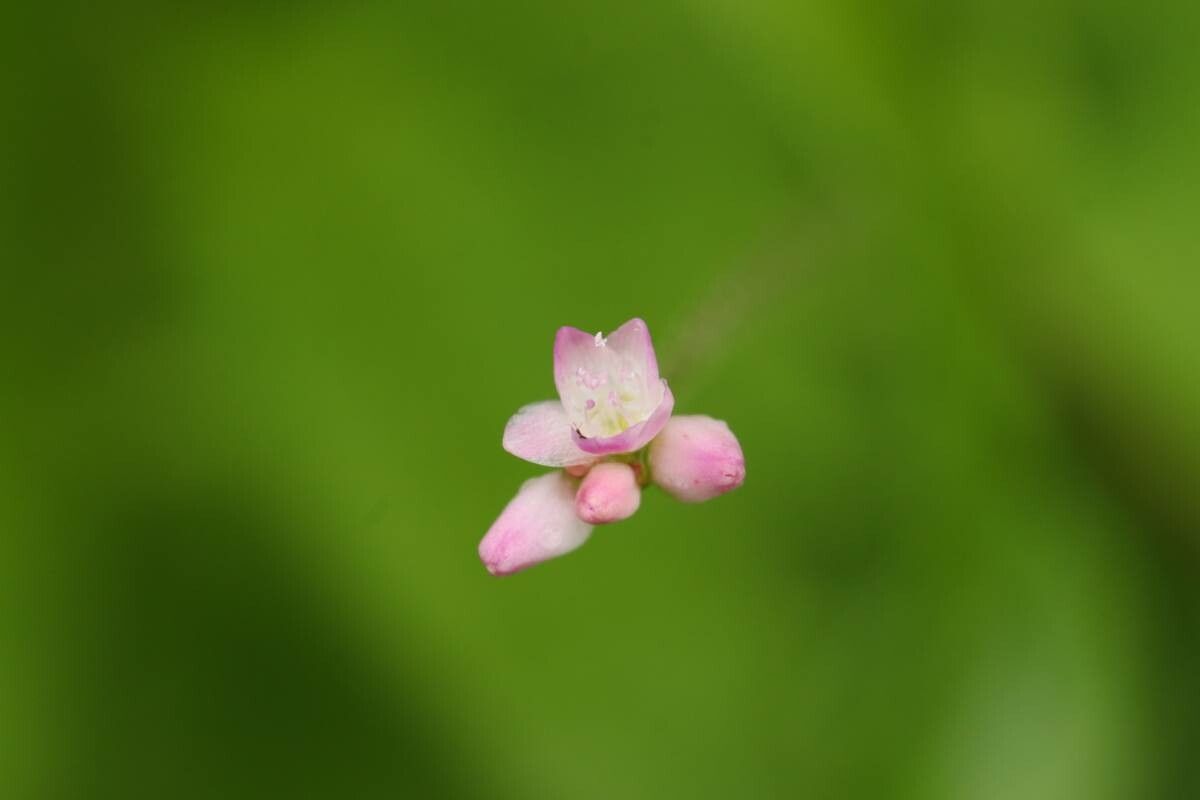
Untangling Propagation: Your Guide to Multiplying Persicaria senticosa
Persicaria senticosa, also known as the prickly knotweed or Asiatic tearthumb, might sound intimidating, but this fast-growing groundcover is surprisingly easy to propagate. If you’re looking to quickly fill a space with a vibrant, textured plant, propagating Persicaria senticosa is a cost-effective and rewarding process. Let’s delve into the different methods that work best for this vigorous grower:
1. Division: The Power of Splitting
Division, the simplest and most successful method, plays on the plant’s natural growth habit. Here’s how to do it:
- Timing is Key: Early spring or fall, when the plant is dormant or just starting to grow, offers the ideal timeframe for division.
- Gentle Steps: Carefully dig up a mature clump of Persicaria senticosa, ensuring you get a good root system along with it. Using a sharp, clean spade or garden knife, divide the clump into smaller sections, ensuring each section has a healthy amount of roots and shoots.
- Replanting: Replant your divisions at the same depth they were originally growing, spacing them according to the variety’s mature size. Water them in well and watch them thrive!
2. Stem Cuttings: Encouraging Root Development
For a continuous supply of new plants, stem cuttings are your friend. Follow these steps:
- Selecting the Right Cuttings: In late spring or early summer, choose healthy, non-flowering stems about 4-6 inches long.
- Preparing the Cuttings: Make a clean cut just below a leaf node (where the leaf joins the stem). Remove the leaves from the bottom third of the cutting.
- Encouraging Root Growth: Dip the cut end in rooting hormone (optional, but helpful) and plant the cuttings in a well-draining potting mix. Keep the soil consistently moist and place the cuttings in a warm, bright location, out of direct sunlight.
Patience and Observation: Roots typically develop within a few weeks. You’ll know they’re established when you see new growth. Once this happens, you can transplant your rooted cuttings to their desired location.
3. Seed Starting: A Slower, More Adventurous Route
While slightly less predictable, starting Persicaria senticosa from seed can be a rewarding experience, especially if you enjoy the entire growing journey:
- Seed Collection: Collect seeds from mature plants in late summer or fall. Allow the seed heads to dry completely before storing them in a cool, dry place.
- Sowing the Seeds: In spring, sow the seeds in a seed-starting mix, lightly pressing them into the soil. Keep the soil consistently moist and provide gentle warmth.
- Transplanting Seedlings: Once the seedlings are large enough to handle, transplant them into individual pots. Harden them off gradually by introducing them to outdoor conditions for increasingly longer periods. Finally, plant them in their permanent location once the last frost has passed.
A Few Tips for Success:
- Well-Drained Soil is Crucial: Persicaria senticosa prefers moist but well-drained soil. Amend heavy clay soil with compost or other organic matter to improve drainage.
- Sun or Shade?: While this plant thrives in full sun, it can tolerate partial shade, making it versatile for different garden conditions. However, more sunlight typically leads to more vibrant foliage and flowers.
- Keep an Eye Out: While generally pest-free, Persicaria senticosa can occasionally attract slugs and snails. Regularly inspect your plants and take necessary measures to protect them.
Propagating Persicaria senticosa is a relatively simple process. By understanding the plant’s growth habits and following these straightforward methods, you can easily multiply your stock, creating a lush and vibrant landscape to enjoy for years to come.