
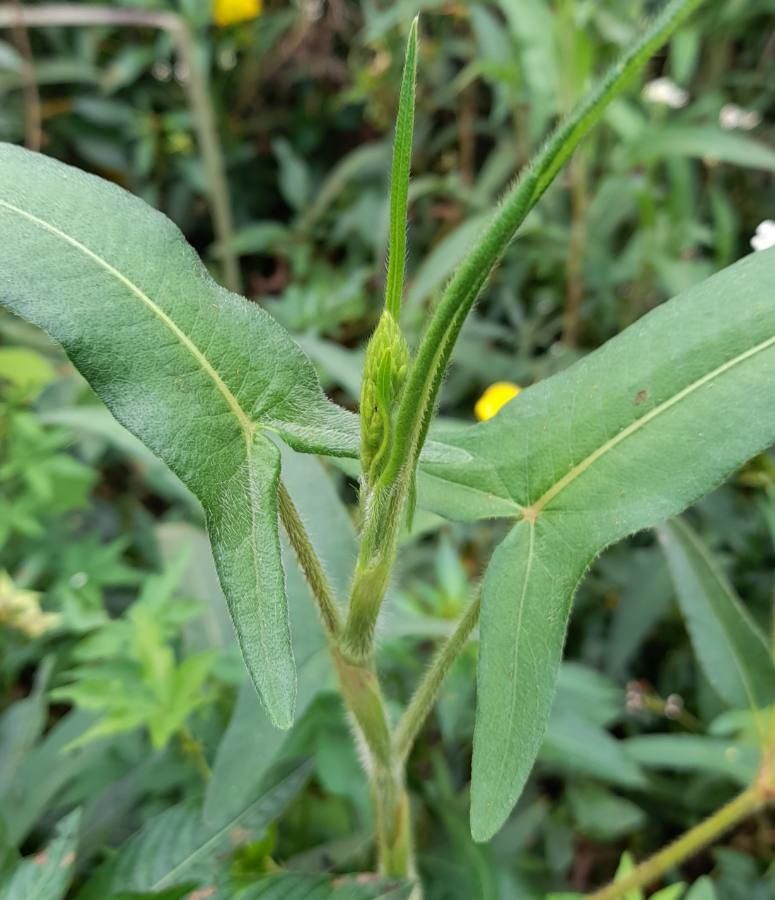


From Snipping to Thriving: How to Propagate the Charming Persicaria Stelliger
The Persicaria stelligera, also known as the “Pink Knotweed,” is a beautiful and easy-to-grow plant that adds vibrant color and texture to gardens. But it’s not just its beauty that makes it appealing to gardeners; its ease of propagation makes it a perfect choice for beginners and experienced plant enthusiasts alike.
This article will be your guide to successfully propagating your own Persicaria stelligera, allowing you to expand your garden or share the joy of this captivating plant with friends and family.
Methods of Propagation
The Persicaria stelligera can be propagated using a few methods, each with its own advantages and disadvantages.
Stem Cuttings: This is the most common and effective method. Take 4-6 inch cuttings from healthy, non-flowering stems. Cut just below a node (the point where a leaf emerges) and remove any leaves below the soil line. Dip the base of the cutting in rooting hormone, then plant it in a well-draining potting mix.
Division: Persicaria stelligera forms clumps, making division a simple way to multiply your plants. Divide the clumps in early spring or fall by carefully separating the roots and leaves.
- Seed: While less common, propagation from seed is possible. Plant the seeds in a seed tray during the spring and maintain a consistently moist environment until they germinate.
Step-by-Step Guide to Stem Cutting Propagation
Choose the right cuttings: Select healthy, non-flowering stems that are at least 4 inches long. Ensure the chosen stems are free of pests or diseases.
Make the cut: Use a clean, sharp knife or scissors to make a cut just below a node. The node is the point where a leaf emerges from the stem.
Prepare the cutting: Remove all leaves below the soil line to prevent rotting. Dip the cut end of the stem in rooting hormone to encourage root development.
Plant the cutting: Fill a pot with well-draining potting mix. Gently poke a hole in the mix and insert the cutting, ensuring that at least 2 nodes are below the soil line.
Keep it moist: Water the cuttings thoroughly and maintain a consistently moist environment. A clear plastic bag placed over the pot can help create a humid environment.
Be patient: New roots will take a few weeks to develop. Avoid disturbing the cuttings during this period.
- Transplant once established: Once the cuttings show signs of new growth, they are ready to be transplanted into individual pots or directly into your garden.
Tips for Success
The best time to propagate Persicaria stelligera is during the spring or summer. This allows for longer days and warmer temperatures for optimal growth.
Use a rooting hormone: This encourages root formation and increases the success rate of propagation.
Provide plenty of light: The cuttings need bright, indirect light to thrive.
Keep the soil evenly moist but not soggy: Water the cuttings regularly, but avoid over-watering, as this can lead to root rot.
- Avoid exposing the rooting cuttings to extreme temperatures or frost.
Beyond Propagation: Enjoy Your New Plants
Once your new Persicaria stelligera plants are established, you will enjoy their beautiful foliage and vibrant pink flowers. They are a wonderful addition to borders, edging, and containers, and their low-maintenance nature makes them a popular choice for gardeners of all levels.
By following the steps outlined above, you can easily propagate your Persicaria stelligera, expanding your garden or sharing the beauty of this remarkable plant with others. From snipping to thriving, enjoy watching these beautiful blooms flourish in your care.