
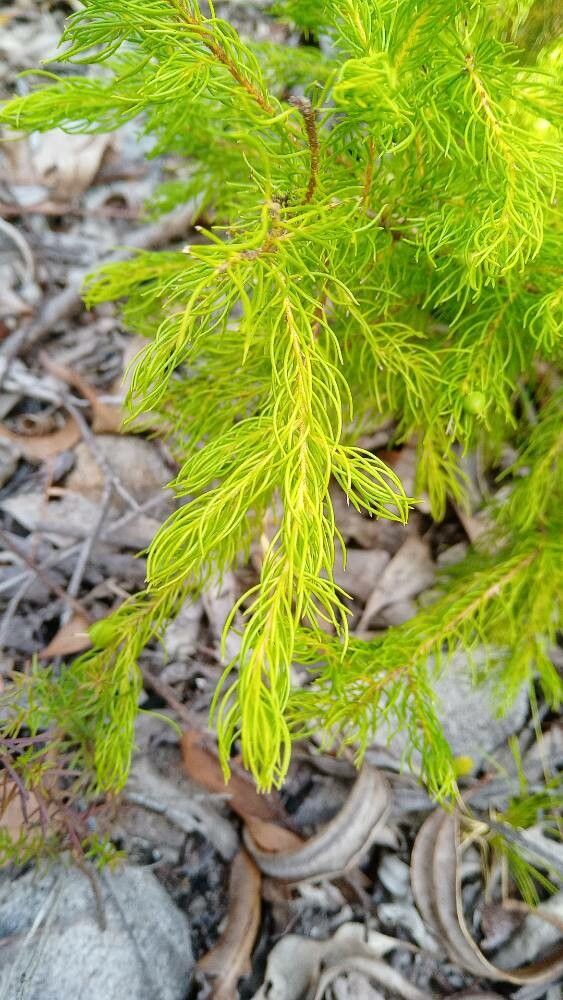
Propagating Persoonia tenuifolia: A Comprehensive Guide
Introduction:
Persoonia tenuifolia, commonly known as the Narrow-leaved Geebung, is a captivating Australian native shrub prized for its elegant, slender foliage and attractive, pendulous flowers. Its adaptability to a range of soil types and its tolerance of drought conditions make it a popular choice among gardeners, particularly those seeking low-maintenance, water-wise landscaping solutions. However, propagation of Persoonia tenuifolia can present several challenges, requiring a degree of patience and horticultural expertise. Its unique reproductive biology, with its reliance on specific pollinators and its often recalcitrant seed, adds to the intrigue and satisfaction of successful cultivation.
Seed Germination:
Currently, there are no known reliable methods for seed germination propagation of Persoonia tenuifolia. While seeds may be produced, germination rates are extremely low in natural and cultivated settings. This is likely due to a combination of factors, including dormancy mechanisms and the need for specific mycorrhizal fungi for successful seedling development. Further research is needed to unlock the secrets of consistent germination for this species.
Cuttings:
Cuttings offer a more reliable method for propagating Persoonia tenuifolia compared to seed germination.
Challenges: The success rate for cuttings can vary depending on factors like the timing of collection (semi-hardwood cuttings are often preferred), the use of rooting hormones, and the provision of optimal humidity and temperature conditions during propagation.
Practical Tips: Take semi-hardwood cuttings in late spring or early summer. Use a sharp, sterile blade to take cuttings of about 10-15cm in length, removing lower leaves before dipping in rooting hormone powder. Plant the cuttings in a well-draining, moist propagation mix, ideally under a humidity dome or mist propagation system. Consistent moisture and warm temperatures are crucial for root development.
Rewards: Cuttings offer a quicker method of propagation than seed and ensure the perpetuation of desirable traits from the parent plant.
Division:
Division of Persoonia tenuifolia is generally not a viable propagation method. This species typically develops a strong taproot system and is not easily divided without significant damage to the plant.
Tissue Culture:
Tissue culture offers a potential high-yield method for propagating Persoonia tenuifolia, although it requires specialized equipment, sterile techniques, and expertise in plant tissue culture protocols.
Challenges: Establishing a reliable tissue culture protocol can be time-consuming and expensive. The optimization of growth media and hormone concentrations is critical for successful shoot multiplication and root development. Contamination of cultures remains a constant threat.
Practical Tips: This method requires specialized knowledge and facilities. Research on suitable media and hormone regimes is necessary before attempting tissue culture propagation.
Rewards: Tissue culture allows for large-scale propagation of genetically identical plants, ensuring uniformity and facilitating the production of large quantities of planting material.
Conclusion:
Propagating Persoonia tenuifolia presents unique challenges across all methods. While seed germination currently proves unreliable, cuttings offer a relatively accessible approach for the dedicated gardener. Tissue culture holds significant promise for large-scale propagation but requires specialized skills and investment. The difficulties involved highlight the importance of understanding the species’ specific requirements and emphasize the patience and persistence needed to achieve success. The ultimate reward, witnessing the emergence of new plants from cuttings or a successful tissue culture, is profoundly satisfying and a testament to the gardener’s dedication and horticultural skill. For aspiring propagators of this beautiful Australian native, remember that careful attention to detail, combined with a willingness to experiment and learn, will eventually yield success. With perseverance, you can contribute to the preservation and enjoyment of this remarkable species.