
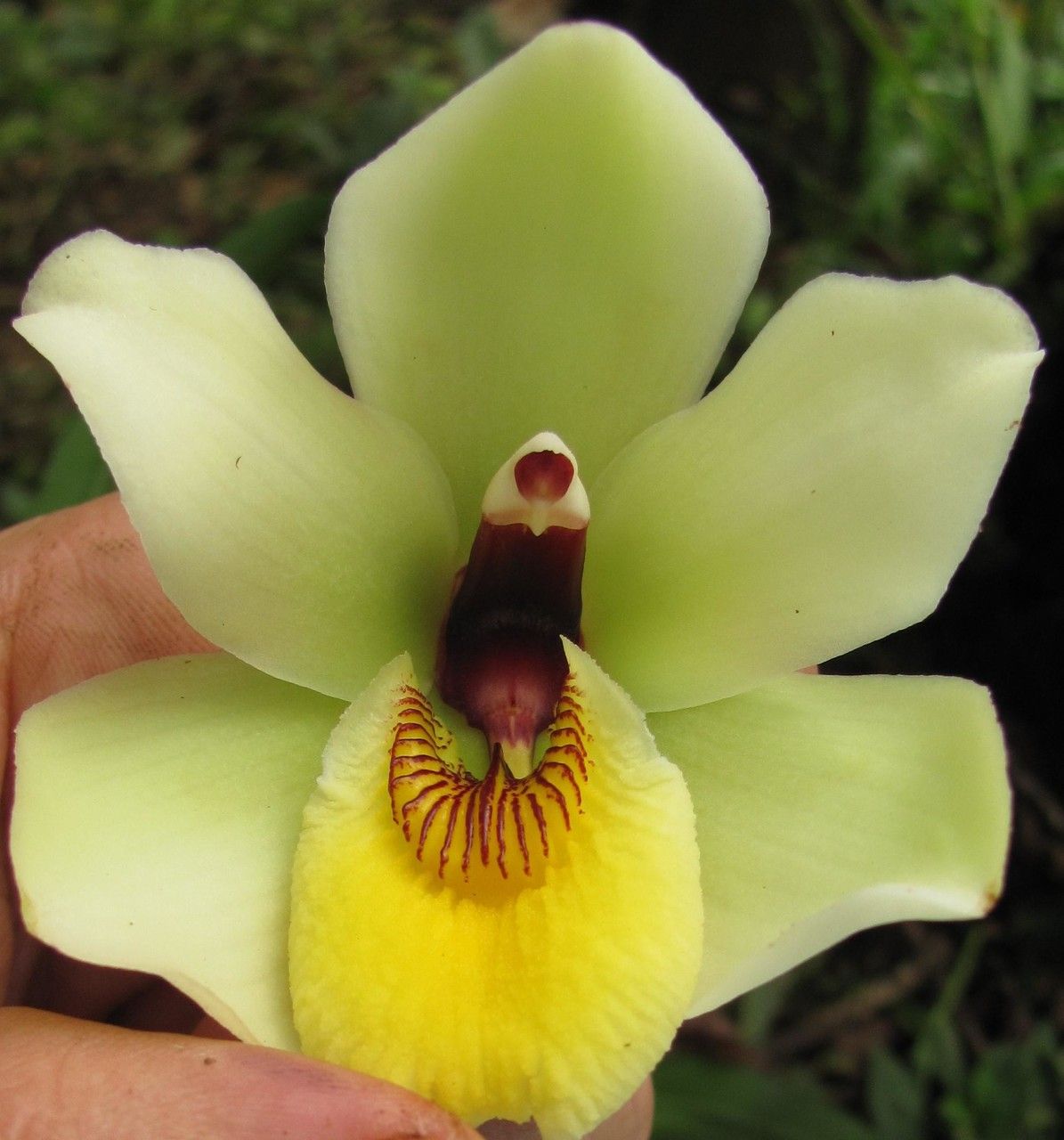
Unveiling the Secrets of Pescatoria Cerina Propagation: A Guide to Multiplying Your Orchid Masterpiece
The captivating Pescatoria cerina, with its waxy, sculpted blooms, is a jewel in any orchid enthusiast’s collection. But did you know that you can multiply your prized orchid and share its beauty? Propagating Pescatoria cerina might seem intimidating, but with the right knowledge and a touch of patience, it’s an achievable feat that can greatly reward the dedicated grower.
Decoding Pescatoria Cerina’s Growth Habit
Before embarking on your propagation journey, understanding the Pescatoria cerina’s growth habit is key. Unlike orchids that produce keikis (plantlets) on their flower spikes, Pescatoria cerina multiplies through division. This means you’ll be separating a mature plant into smaller sections, each capable of independent growth.
When to Divide: Timing is Everything
Timing is crucial for successful Pescatoria cerina division. The ideal time is during spring, right before the plant enters its active growth phase. Look for signs like new root growth emerging from the base of the plant or new shoots developing. This indicates the orchid is brimming with energy, giving your divisions the best chance of thriving.
Tools of the Trade: Preparing for Division
Assemble the following before you begin:
- Sterilized Cutting Tool: A sharp, sterilized knife or pair of pruning shears is essential for clean cuts, minimizing the risk of infection.
- Pots and Mounting Materials: Choose pots slightly larger than the divisions, ensuring proper drainage. Alternatively, prepare mounts like cork bark or tree fern fiber if you prefer a more natural aesthetic.
- Orchid Potting Mix: Opt for a well-draining mix specifically formulated for orchids. A blend of bark chips, perlite, and charcoal works well.
- Fungicide (Optional): Dusting the cut surfaces with a fungicide can help prevent fungal infections.
The Art of Division: A Step-by-Step Guide
- Unpotting: Gently remove the Pescatoria cerina from its pot, carefully loosening any tightly bound roots.
- Dividing the Rhizome: Inspect the rhizome (the horizontal stem from which the leaves and roots grow) and identify natural division points where multiple growths exist. Each division should have at least 3-4 healthy pseudobulbs (the thickened stem sections).
- Making the Cut: Using your sterilized cutting tool, make clean cuts through the rhizome at the chosen division points.
- Treating the Divisions: Dust the cut surfaces with fungicide (optional) and allow them to air dry for a few hours, letting the cuts heal slightly.
- Potting/Mounting: Plant each division in a separate pot or mount them on your chosen material. Ensure the base of the pseudobulbs sits slightly above the potting mix or mounting surface to prevent rotting.
- Aftercare: Place the newly potted or mounted divisions in a warm, humid location with bright, indirect light. Water sparingly until new growth emerges, indicating the roots have established themselves.
Patience is a Virtue: Nurturing New Beginnings
Propagating Pescatoria cerina requires patience. It may take several weeks or even months for the divisions to fully establish themselves. Provide consistent care, including proper watering, humidity, and light, and soon you’ll be rewarded with new growth – a testament to your successful propagation endeavor.
By understanding the rhythm of the Pescatoria cerina’s growth and following these steps, you can confidently multiply your orchid collection, ensuring the exquisite beauty of this botanical masterpiece lives on for years to come.