
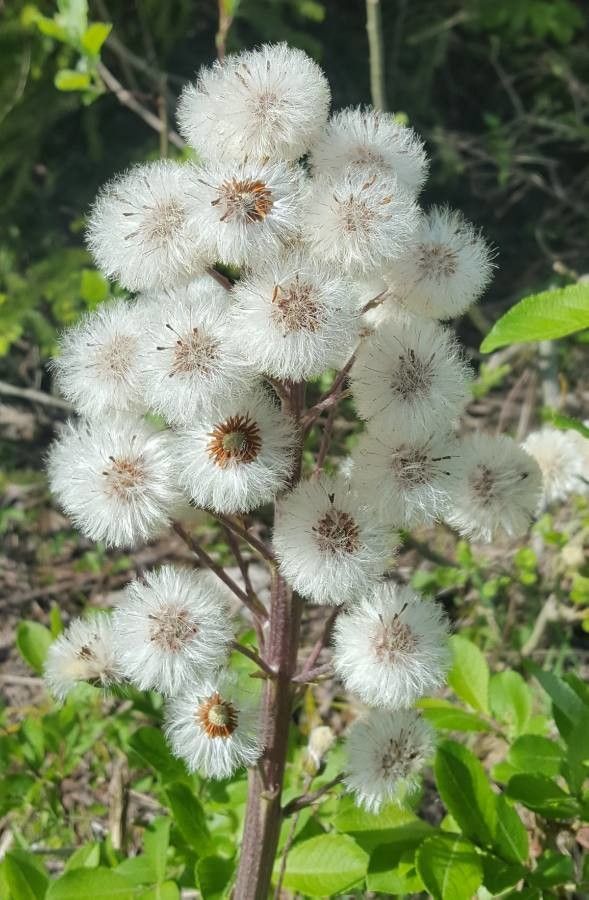
Unlocking the Secrets of Propagation: How to Grow More Petasites Paradoxus
The world of gardening is full of fascinating plants, and Petasites paradoxus, often known as butterbur, is certainly one of them. This unique and powerful plant offers a range of benefits, from medicinal uses to stunningly large, foliage. But how do you go about growing more of this intriguing species? The answer lies in the art of propagation.
The Power of Propagation
Propagation is the process of creating new plants from existing ones. It’s a rewarding and often simpler method than starting from seed, particularly for plants like Petasites paradoxus. This technique allows you to preserve the unique characteristics of your mother plant, ensuring that your new offspring possess the same desirable traits.
Methods for Propagating Petasites Paradoxus
There are two primary methods for propagating butterbur:
1. Division: This method is best tackled in the early spring or late fall, when the plant is dormant.
- Step 1: Carefully dig up a well-established butterbur clump.
- Step 2: Use a sharp knife or spade to divide the clump into several sections, each with healthy roots and shoots.
- Step 3: Plant the divisions in a well-prepared bed with rich soil and adequate drainage.
- Step 4: Water generously, providing consistent moisture to help the new plants establish themselves.
2. Rhizome Cuttings: Butterbur’s creeping rhizomes, underground stems, are another source for propagation.
- Step 1: Choose a healthy, strong rhizome from the parent plant.
- Step 2: Cut the rhizome into sections, ensuring each piece has at least one bud and a healthy root system.
- Step 3: Plant the rhizome cuttings horizontally, approximately 1-2 inches deep in the soil.
- Step 4: Water regularly to encourage root development and new growth.
Important Considerations for Success:
- Timing is Key: Propagation works best when the plant is in its dormant stage, either during the early spring or late fall.
- Soil Preparation: Choose a well-draining, fertile soil rich in organic matter. Good drainage is crucial to prevent root rot.
- Moisture Management: Keep the soil consistently moist, especially during the initial establishment phase. However, avoid overwatering, which can lead to fungal diseases.
- Sunlight and Shade: Butterbur prefers a semi-shaded location, receiving dappled sunlight or afternoon shade.
The Rewards of Propagation
The rewards of propagating Petasites paradoxus are plentiful. You’ll be able to enjoy more of this unique plant’s beauty and potential benefits. It’s also a fantastic way to share your love of gardening with friends and family, providing them with their own starter plants.
Beyond The Basics:
While division and rhizome cuttings are the most common methods, exploring other techniques like leaf cuttings or tissue culture may yield further insights into this remarkable plant’s propagation possibilities.
So, embark on your own butterbur propagation journey and experience the satisfaction of nurturing new life from this fascinating and versatile plant. You might just discover new ways to unlock the power of propagation and witness the magic of plant growth firsthand.