
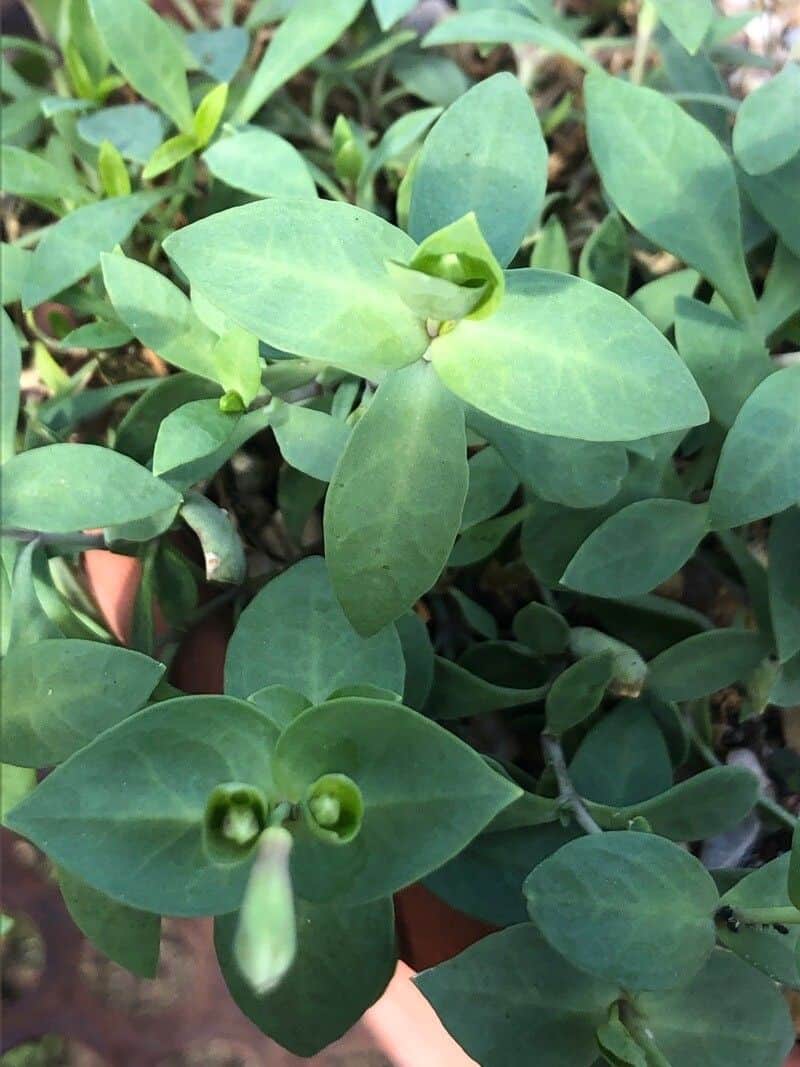
Unlocking the Secrets of Petrocoptis glaucifolia Propagation: A Guide for Growing this Rare Beauty
Petrocoptis glaucifolia, with its delicate pink blooms and penchant for rocky landscapes, is a captivating plant that captures the hearts of many plant enthusiasts. Native to the Pyrenees Mountains, this alpine treasure might seem intimidating to propagate, but fear not! This guide will unveil the secrets to successfully multiplying your Petrocoptis glaucifolia, allowing you to share this botanical gem with fellow plant lovers.
Understanding Petrocoptis glaucifolia: A Primer
Before diving into propagation, it’s helpful to get acquainted with this unique plant. Petrocoptis glaucifolia, a member of the carnation family, thrives in well-drained, gritty soil and thrives in full sun to partial shade. Its natural habitat consists of rocky crevices and cliffs, indicating its preference for excellent drainage and tolerance for harsh environments.
Propagation Techniques: Sow the Seeds of Success
1. Seed Propagation: This is the most common method for propagating Petrocoptis glaucifolia.
- Timing is Key: Sow seeds in late winter or early spring, ideally in a cool greenhouse or indoors under grow lights.
- Sowing the Seeds: Use a well-draining seed starting mix and lightly press the seeds onto the surface. Don’t bury them, as they require light to germinate.
- Patience is a Virtue: Germination can be erratic and might take anywhere from a few weeks to several months. Maintain a cool temperature (around 15°C / 59°F) and ensure the soil remains consistently moist but not waterlogged.
- Transplanting Triumph: Once seedlings develop a couple of true leaves, carefully transplant them into individual pots. Use a well-draining potting mix designed for cacti and succulents.
2. Cuttings: While slightly less common, Petrocoptis glaucifolia can be propagated through cuttings.
- Timing is Crucial: The ideal time to take cuttings is in late spring or early summer, when the plant is actively growing.
- Cut with Precision: Select healthy, non-flowering stems and use a sharp, sterilized knife or pair of scissors to take cuttings about 3-4 inches long.
- Prepare the Cuttings: Remove the lower leaves, leaving only a few at the top. Dip the cut end in rooting hormone to encourage root development.
- Potting and Patience: Plant the cuttings in a well-draining mix and keep them consistently moist. Providing a humid environment by covering the pot with a plastic bag can aid in rooting.
Caring for Your New Propagations: Nurturing Growth
- Light and Location: Place your Petrocoptis glaucifolia in a bright location with indirect sunlight.
- Watering Wisdom: Allow the soil to dry out slightly between waterings, ensuring good drainage to prevent root rot.
- Fertilize Sparingly: During the growing season (spring and summer), fertilize your plants monthly with a diluted balanced fertilizer.
Witness the Beauty: Enjoy Your Propagated Plants
Successfully propagating Petrocoptis glaucifolia is a rewarding experience. Not only will you have expanded your plant collection, but you’ll have also mastered a technique that allows you to share this botanical beauty with others. By understanding its needs and following these propagation techniques, you can help this rare alpine gem thrive in your own garden or share its splendor with other plant enthusiasts.