
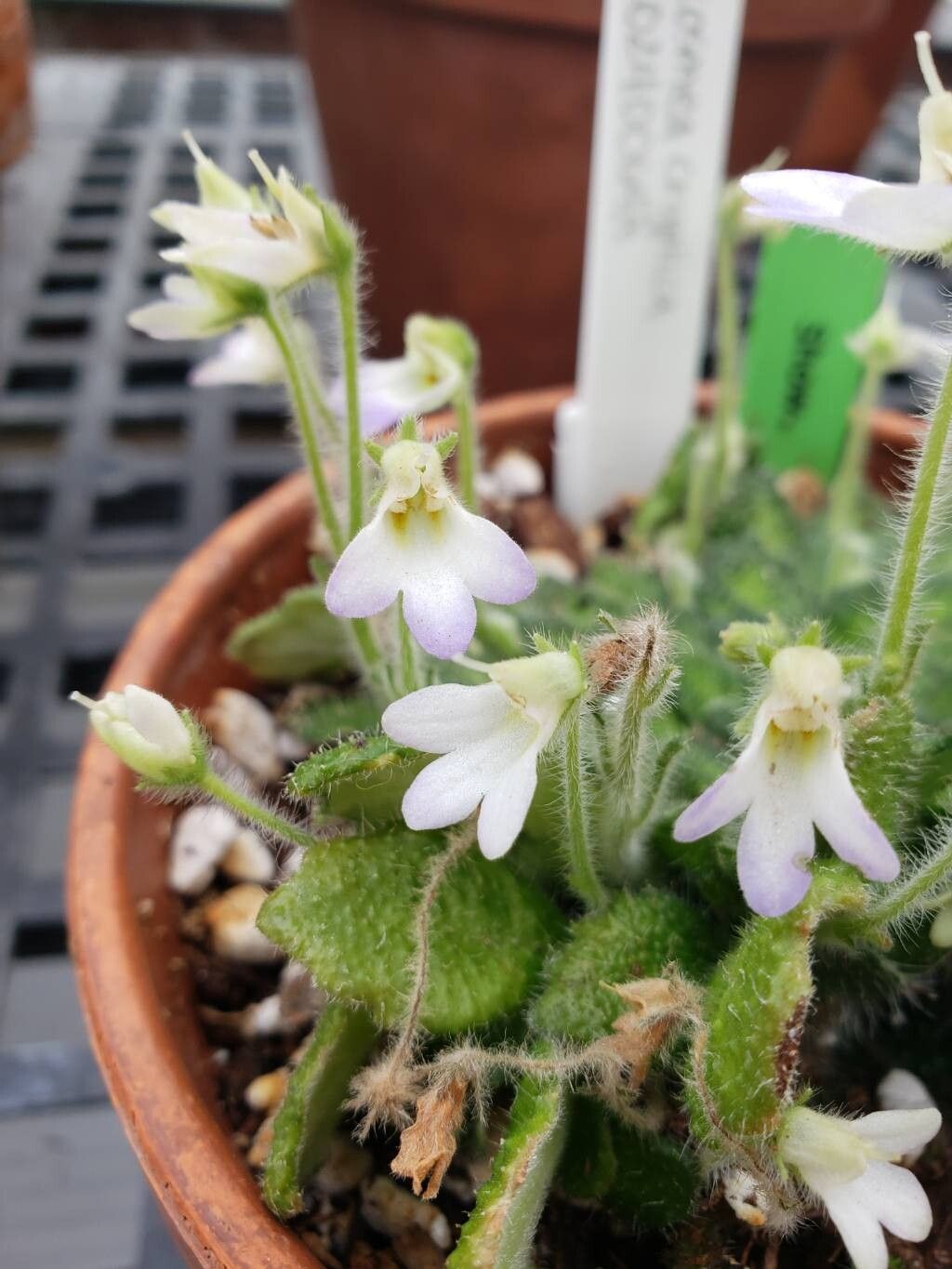
Propagating the Enigmatic Petrocosmea cryptica: A Gardener’s Guide
Petrocosmea cryptica, sometimes called the “hidden Petrocosmea,” is a captivating member of the Gesneriaceae family, prized for its delicate, often intricately patterned leaves and charming, small flowers. Its compact size and unique beauty have earned it a devoted following among plant enthusiasts, though its propagation presents a unique set of challenges and rewards. The plant’s relative rarity and the difficulty in obtaining mature specimens further fuel its allure.
Seed Germination:
Currently, there are no known reliable methods for seed germination propagation of Petrocosmea cryptica. While some Gesneriad species readily propagate from seed, P. cryptica seems to present significant obstacles. Further research is needed to determine the optimal germination conditions, if any exist. The potential rewards, however – gaining access to a wider range of genetic diversity and potentially producing large numbers of plants – make this a worthy area for future investigation.
Cuttings:
Propagating Petrocosmea cryptica from cuttings is also challenging but shows more promise than seed germination. The success rate is generally low, often hampered by the plant’s susceptibility to rot.
Challenges: High humidity and consistent warmth are crucial but can easily lead to fungal infections. The small size of the leaves makes taking suitable cuttings difficult. Using a sterile, sharp blade and rooting hormone are essential.
Practical Tips: Leaf cuttings are generally preferred over stem cuttings. Use a well-draining, sterile propagation mix (e.g., a perlite and peat moss blend). Provide high humidity using a humidity dome or propagator. Bottom heat can also improve rooting success. Avoid overwatering which promotes rot.
Rewards: Although challenging, successful propagation from cuttings retains the genetic characteristics of the parent plant, ensuring desirable traits are preserved.
Division:
Division offers the most reliable method for propagating Petrocosmea cryptica. Established plants occasionally produce offsets or “pups” that can be carefully separated.
Challenges: Petrocosmea cryptica forms a relatively small root system, making separation delicate. Damage to the roots or the crown can easily kill the plants.
Practical Tips: Divide carefully only when the plant is actively growing and the offsets are large enough to handle. Use a sharp, sterile knife or shears. Handle each division gently, ensuring it has its own portion of roots and healthy leaves. Repot immediately into a well-draining substrate.
Rewards: Division is a straightforward method that provides a higher success rate compared to cuttings or seed. It ensures faithful reproduction of the parent plant’s characteristics.
Tissue Culture:
Tissue culture presents a potential solution to the challenges faced with more conventional methods.
Challenges: Establishing a protocol for P. cryptica would require specialized knowledge and laboratory equipment. It’s a costly and time-consuming process.
Practical Tips: This method requires expertise in sterile techniques and appropriate media formulations for Gesneriads. Finding a commercial lab or collaborating with a botanical garden specializing in tissue culture might be necessary.
Rewards: Tissue culture allows for large-scale propagation, providing a means to rapidly multiply rare or valuable cultivars while maintaining genetic uniformity.
Conclusion:
Propagating Petrocosmea cryptica presents a number of significant challenges, with division offering the most reliable method for the average hobbyist. Cuttings have potential but require careful attention to detail and sanitation. Seed germination and tissue culture remain largely unexplored avenues, though potentially offering substantial rewards for dedicated researchers. The satisfaction of successfully propagating this enigmatic plant, however, far outweighs the effort involved. The unique beauty of P. cryptica makes the persistence worthwhile. Don’t be discouraged by initial setbacks – even small successes are a testament to your dedication and a step towards expanding your horticultural skills and collection.