
Propagating Petrosedum forsterianum: A Gardener’s Guide
Introduction:
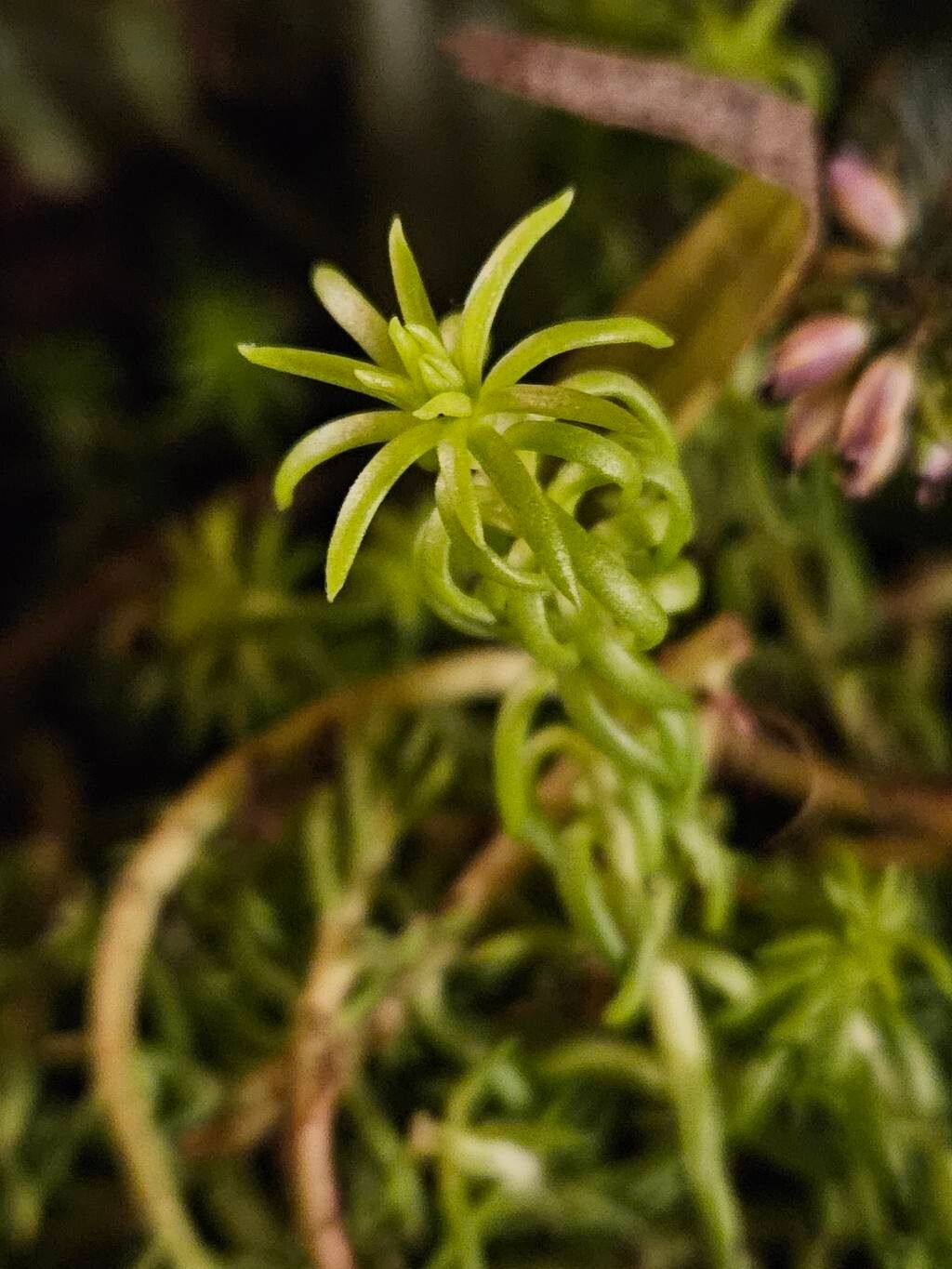
Petrosedum forsterianum, commonly known as Forster’s Stonecrop, is a charming succulent prized for its cascading habit and attractive foliage. Its fleshy, grey-green leaves, often tinged with reddish hues, are arranged in attractive rosettes along trailing stems. This relatively low-maintenance plant, hardy in USDA zones 4-8, is popular among gardeners for its ease of care and ability to thrive in various conditions, including rock gardens, containers, and hanging baskets. Its unique propagation characteristics, however, present both challenges and rewards for those attempting to expand their collection.
Seed Germination:
Currently, there are no known reliable methods for seed germination propagation of Petrosedum forsterianum. While the plant does produce seeds, germination rates are notoriously low, and successful cultivation from seed is exceptionally challenging. Further research into specific germination requirements may be needed to make this a viable propagation method.
Cuttings:
Challenges: Cuttings are the most common and reliable method for propagating Petrosedum forsterianum. Even so, success depends on proper technique to avoid rot. The succulent nature of the plant means that overly moist conditions can quickly lead to decay.
Practical Tips: Take stem cuttings in spring or summer. Cuttings should be 4-6 inches long and allowed to callous over for a few days before planting. Plant in well-draining succulent potting mix, ensuring only the bottom portion is buried. Avoid overwatering; allow the soil to dry out completely between waterings. Propagation can also be achieved by using leaf cuttings. These however take longer to root.
Rewards: Cuttings are relatively easy to root, offering a quick and efficient method for increasing your stock of Petrosedum forsterianum. The new plants are genetically identical to the parent plant, preserving desirable traits.
Division:
Challenges: Division is only feasible for established, larger plants. Care must be taken during the process to avoid damaging the delicate roots. Improper division can weaken the parent plant and reduce the chances of success for the divisions.
Practical Tips: The best time to divide Petrosedum forsterianum is in spring or early autumn. Gently remove the plant from its pot or carefully lift it from the ground. Separate the plant into smaller sections, ensuring each section has a healthy root system and several stems. Replant the divisions in well-draining soil, ensuring they are not overcrowded.
Rewards: Division is a relatively quick method to increase the number of plants without specialized equipment, offering a straightforward method for gardeners.
Tissue Culture:
Challenges: Tissue culture is a more advanced and technically demanding propagation method. It requires specialized equipment, sterile conditions, and a detailed understanding of plant tissue culture techniques. This method requires significant investment in both materials and training.
Practical Tips: While potentially viable, there is a lack of readily available protocols specifically for Petrosedum forsterianum. Research would be required to determine appropriate media, hormones, and sterilization techniques.
Rewards: Tissue culture allows for the mass production of genetically identical plants and can be used to eliminate diseases.
Conclusion:
Propagating Petrosedum forsterianum presents a unique set of challenges and rewards. While seed germination is not a currently viable option, cuttings offer the most accessible and reliable method. Division is possible for established plants, while tissue culture represents a more advanced, albeit potentially high-yield option requiring specialized knowledge. The inherent difficulties, however, compound the sense of accomplishment when successfully propagating this delightful succulent. The satisfaction of nurturing a tiny cutting into a thriving plant—a testament to patience and horticultural skill—makes the effort worthwhile. Don’t be discouraged by initial setbacks; experiment with cuttings, and with perseverance, you too can enjoy the abundance of this beautiful plant.