
Unlocking the Secrets of Peucedanum gallicum: A Guide to Propagation
Peucedanum gallicum, also known as Hog’s Fennel, is a charming wildflower native to Europe. Its delicate, ferny foliage and umbels of white flowers bring a touch of whimsical elegance to gardens, especially those designed with a naturalistic aesthetic. While readily available for purchase, there’s a certain satisfaction that comes with successfully propagating your own Peucedanum gallicum. This guide will delve into the different methods you can use to multiply your stock and enjoy more of this lovely plant in your garden.
Sowing Seeds: A Rewarding Challenge
Propagating Peucedanum gallicum from seed can be incredibly rewarding, though it requires patience and a bit of finesse. Here’s what you need to know:
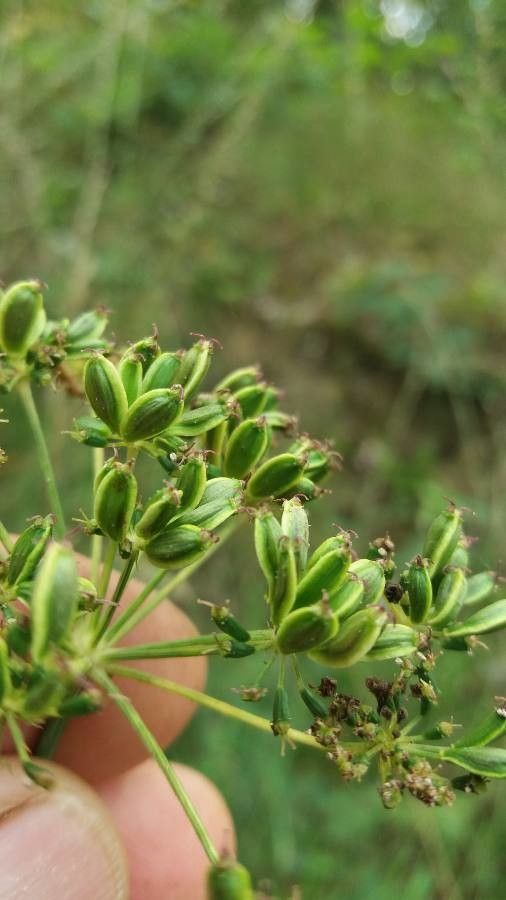
Seed Collection and Storage: Collect seeds from mature flower heads in late summer or early fall. Allow the seeds to dry thoroughly in a cool, dry location before storing them in a paper envelope.
Cold Stratification: Peucedanum gallicum seeds benefit from cold stratification, mimicking the natural chilling period they would experience outdoors. You can achieve this by placing the seeds in a moist paper towel inside a sealed plastic bag and storing them in the refrigerator for 4-6 weeks.
Sowing: Sow the seeds in seed trays or pots filled with well-draining seed starting mix. Lightly press the seeds into the surface and cover them with a thin layer of vermiculite or fine compost.
Warmth and Moisture: Provide bottom heat using a seedling heat mat and ensure consistent moisture but avoid overwatering.
- Germination: Be patient! Germination can be erratic and may take anywhere from a few weeks to a couple of months. Once the seedlings have developed a few true leaves, you can thin them out, leaving the strongest ones to grow.
Division: For Established Plants
If you already have a thriving Peucedanum gallicum, division offers a quicker and easier method of propagation:
Timing is Key: Early spring, before new growth emerges, is the ideal time to divide your plant.
Carefully Lift the Plant: Use a garden fork to gently lift the entire plant from the ground, minimizing damage to the roots.
Divide and Conquer: Depending on the size of the plant, you can either carefully tease apart smaller sections with roots attached or use a sharp knife to divide the root ball into larger sections.
- Replant and Water: Replant the divisions at the same depth they were originally growing and water them thoroughly.
Caring for Your New Plants:
Whether you’ve grown your Peucedanum gallicum from seed or division, these tips will help ensure healthy growth:
- Sunlight Requirements: These plants prefer a location with full sun to partial shade.
- Well-Drained Soil: Peucedanum gallicum thrives in well-drained soil. Amend heavy clay soils with compost or grit to improve drainage.
- Watering: Water regularly during the first growing season to establish a strong root system. Once established, they are relatively drought tolerant.
- Deadheading: Remove spent flower heads to encourage bushier growth and to prevent unwanted self-seeding.
By following these propagation techniques, you can enjoy the delicate beauty of Peucedanum gallicum year after year. Not only will you be rewarded with a thriving population of these delightful plants, but you’ll also have the satisfaction of nurturing them from their earliest stages.