
Unleashing the Beauty of Lacy Phacelia: A Simple Guide to Propagation
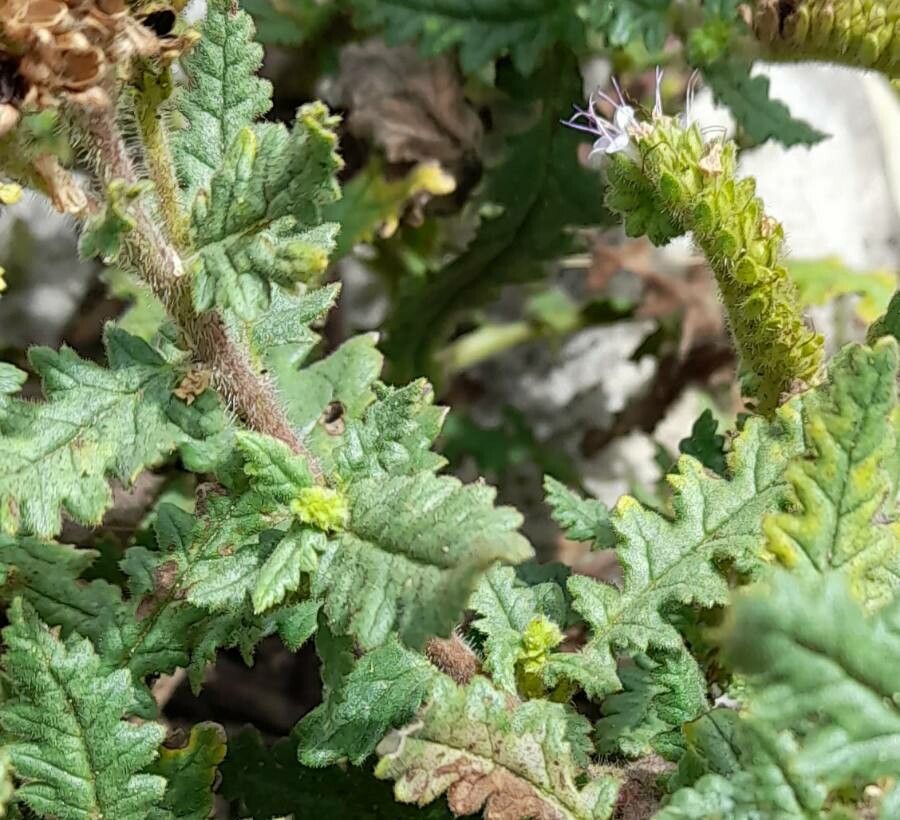
Phacelia artemisioides, better known as Lacy Phacelia or Artemisia-Leaved Phacelia, is a visual delight. This California native boasts finely divided, almost fern-like, foliage and delicate lavender blooms that grace the garden from spring to early summer. But beyond its beauty, Lacy Phacelia is a champion for pollinators, attracting beneficial insects like bees and butterflies while deterring unwanted pests. Ready to welcome this versatile plant into your own garden? Let’s explore the effortless process of propagating Lacy Phacelia!
Two Paths to Propagation Success
Lacy Phacelia is incredibly easy to propagate, offering both seed and cutting methods to multiply your blooms:
1. Seed Starting: The Path of Least Resistance
- When to Sow: Start seeds indoors 6-8 weeks before the last expected frost or sow directly in the garden after the danger of frost has passed.
- Sowing Depth: Sow seeds just beneath the surface of a well-draining seed starting mix or directly into prepared garden beds.
- Light Requirements: While Lacy Phacelia enjoys full sun (6+ hours), seedlings benefit from dappled light until established.
- Moisture is Key: Keep the soil consistently moist, not soggy, throughout the germination process.
- Thinning the Herd: Once seedlings develop their first true leaves, thin them to give each plant adequate space to grow, typically 12-18 inches apart.
2. Cuttings: Cloning Your Favorite Bloomers
- Timing is Everything: Take cuttings in the spring or early summer from healthy, non-flowering stems.
- Cut it Right: Using clean, sharp shears, make a cut just below a leaf node (where the leaf joins the stem). The cutting should be 4-6 inches long.
- Prepare the Cutting: Remove the lower leaves from the cutting, leaving only 2-3 leaves at the top.
- Rooting Hormone – A Helping Hand: While not essential, dipping the cut end in rooting hormone can encourage faster and more successful rooting.
- Planting the Cutting: Insert the cutting into a pot filled with a well-draining potting mix. Keep the soil consistently moist and place the pot in a location with indirect sunlight.
- Patience is a Virtue: It may take several weeks for the cutting to root. You’ll know it’s successful when new growth emerges. Once the cutting has established a robust root system, it can be transplanted into the garden.
Nurturing Your New Lacy Phacelia
Whether you choose to propagate by seed or cuttings, Lacy Phacelia thrives in well-draining soil and prefers a sunny location. While drought tolerant once established, consistent watering, especially during dry spells, will encourage healthy growth and abundant blooms. Deadheading spent blossoms can also encourage repeat flowering and prevent self-seeding if you prefer to control its spread.
Reap the Rewards
Propagating Lacy Phacelia is an easy and rewarding experience. With minimal effort, you can multiply your plants and enjoy a breathtaking display of lavender blooms, buzzing with the happy hum of grateful pollinators. So why wait? Start your own Lacy Phacelia journey today and watch your garden transform into a haven of beauty and beneficial biodiversity.