
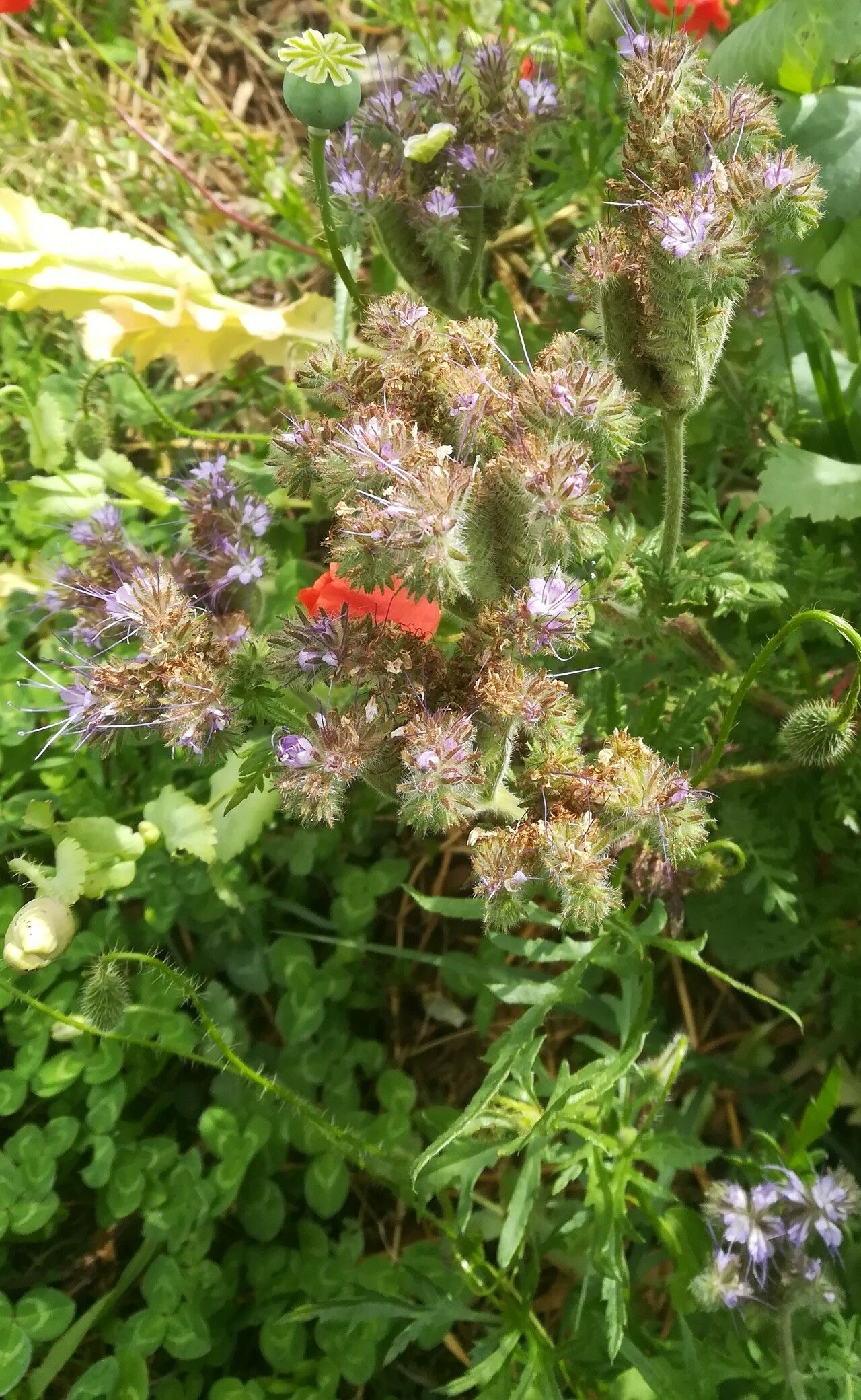
Taming the California Beauty: A Guide to Propagating Phacelia californica
The Phacelia californica, known for its whimsical common name “California Bluebell,” is a sight to behold. This California native boasts clusters of lavender-blue, bell-shaped flowers that attract a symphony of pollinators to your garden. Its fern-like foliage adds a touch of delicate beauty, making it a charming addition to any landscape. While readily available in nurseries, propagating your own Phacelia californica is a rewarding endeavor that allows you to expand your floral tapestry with ease.
Two Paths to Propagation:
Phacelia californica can be propagated through two primary methods:
Seeds: The most common and reliable propagation method, sowing seeds offers the satisfaction of nurturing a plant from its very beginning.
- Cuttings: Though less common, taking cuttings from established plants can be a quicker route to enjoying new blooms.
Sowing the Seeds of Success:
Timing is Key: The optimal time to sow Phacelia californica seeds is in the fall. This allows the seeds to benefit from the natural cold stratification process over winter, mimicking their natural growth cycle.
Preparing the Bed: Choose a location with well-drained soil and full sun to partial shade. Loosen the soil and remove any weeds to give your seedlings a fighting chance.
Sowing the Seeds: Sprinkle the seeds directly onto the prepared soil, lightly pressing them down but not burying them. Phacelia californica seeds need light to germinate.
Water Wisely: Water gently after sowing, ensuring the soil remains moist but not waterlogged.
- Patience is a Virtue: Germination can take anywhere from a few weeks to a couple of months, so don’t be disheartened if you don’t see sprouts right away.
The Art of Propagation from Cuttings:
The Right Time and Branch: Take cuttings in the spring or early summer from healthy, non-flowering stems. Choose stems that are at least 4 inches long and show new growth.
Making the Cut: Using a sharp, sterilized knife or shears, cut the stem just below a leaf node (where the leaf emerges from the stem).
Preparing the Cutting: Remove the lower leaves from the cutting, leaving only a few at the top. Dip the cut end in rooting hormone (optional but recommended) to encourage root development.
Planting the Cutting: Plant the prepared cutting in a well-draining potting mix, burying the lower nodes.
Creating a Humid Environment: Cover the pot with a clear plastic bag or use a propagation dome to create a warm, humid environment.
- Rooting and Transplanting: After 4-6 weeks, gently tug on the cutting to check for resistance, which indicates root development. Once rooted, transplant the cutting into a larger pot or your garden bed.
Nurturing Your California Bluebells:
Whether you choose to start from seed or cuttings, Phacelia californica is relatively low-maintenance once established. Water regularly during the first growing season, especially during dry spells. Deadhead spent flowers to encourage bushier growth and prolonged blooming.
By mastering the art of propagation, you can transform your garden into a haven for pollinators and a breathtaking display of California’s native beauty. With a little effort and patience, you can enjoy these enchanting bluebells year after year.