
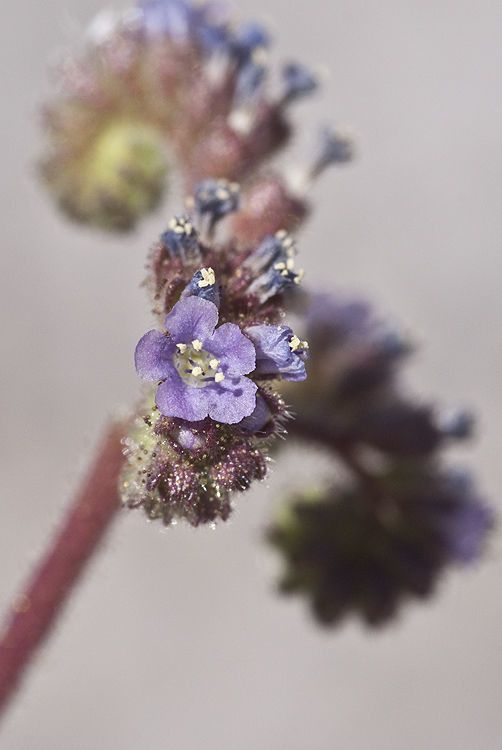
From Seed to Showstopper: Propagating the Delightful Phacelia Coerulea
The Phacelia coerulea, also known as the “Blue Lace Flower,” is a captivating annual that transforms any garden with its delicate, airy blooms. Imagine swathes of vibrant blue, lavender, or white flowers dancing in the breeze, attracting pollinators and adding a touch of ethereal beauty. But what if you could cultivate this wonder from scratch, multiplying your plants and sharing their beauty with others? This is where propagation comes in!
Seeds: The Blueprint for Beauty
The most common and successful way to propagate Phacelia coerulea is through seeds. These tiny, almost dust-like seeds hold the promise of new life, and their ability to germinate quickly makes them an ideal starting point for new plants.
When to Sow:
The best time to sow Phacelia coerulea seeds depends on your climate. In cooler regions, start them indoors 4-6 weeks before the last frost. In warmer areas, direct sowing can be done in spring after the soil has warmed.
Sowing the Seeds:
- Choose your medium: Opt for seed starting mix or a well-draining potting soil.
- Prepare the containers: Fill small pots, seed trays, or even a seed starting mat with your chosen medium. Water thoroughly, allowing excess water to drain.
- Sow the seeds: Sprinkle the tiny seeds on the surface, ensuring they are lightly covered with soil. Avoid overly compacting the soil.
- Water sparingly: Mist the soil gently to maintain moisture.
- Provide warmth: Place containers in a warm, sunny location (ideally around 70°F) or use a heat mat.
- Maintain moisture: Keep the soil consistently moist but not soggy.
- Thinning: Once seedlings emerge, thin them out, leaving the strongest plants about 6 inches apart.
- Hardening off: Before transplanting outdoors, gradually acclimate them to the outdoor conditions by placing them in a shaded area for increasing periods.
Transplanting and Care:
Once the weather has warmed and the threat of frost has passed, carefully transplant your young Phacelia coerulea seedlings into their permanent location in the garden.
- Sunlight: These beauties thrive in full sun to partial shade.
- Soil: Well-drained soil, preferably amended with compost, will ensure healthy growth.
- Watering: Keep the soil evenly moist during the growing season, but avoid overwatering.
- Deadheading: Deadheading spent blooms encourages more vibrant blooms and prevents self-seeding.
A Note on Self-Seeding:
Phacelia coerulea can readily self-seed, providing a beautiful annual display year after year. While this is a natural process, you can control the spread by deadheading spent flowers before they produce seeds.
Beyond Seeds:
While seed propagation is the most popular method, you can also explore other techniques:
- Cuttings: While not as common, Phacelia coerulea can be propagated from cuttings taken in early summer.
- Division: Though not typically used for this species, division can be a viable option for other Phacelia varieties.
Conclusion:
Propagating Phacelia coerulea is a rewarding experience that allows you to create a stunning display of color and attract beneficial pollinators to your garden. This process is not only simple but also incredibly fun, opening the door to a world of vibrant floral beauty and a deeper connection to nature. So, grab some seeds, get your hands dirty, and witness the magic of Phacelia coerulea unfold!